
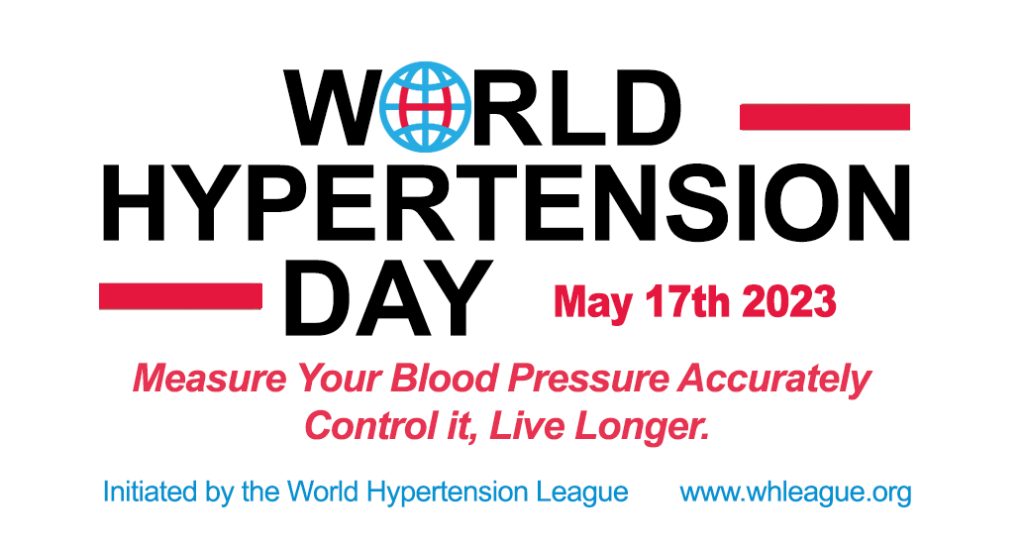
As we celebrate World Hypertension Day on May 17th, it’s essential to take control of our blood pressure and make lifestyle changes that can help us live longer. Hypertension is a silent killer that affects millions of people worldwide, causing heart disease, stroke, kidney damage, and other serious health issues. In this article, we’ll delve into the world of hypertension, its causes, symptoms, and treatment options.
What is Hypertension?
Hypertension, also known as high blood pressure (HP), occurs when the force of blood against the artery walls exceeds normal levels. It can lead to cardiovascular disease, kidney damage, and even stroke. There are two types of hypertension: primary (essential) hypertension and secondary hypertension.
Understanding Hypertension: Causes and Symptoms
Hypertension is often referred to as a “silent killer” because it doesn’t always exhibit symptoms until it’s severe. However, some people may experience:
- Palpitations or irregular heartbeat
- Headaches or dizziness
- Chest pain or shortness of breath
- Fatigue or weakness
The Importance of Monitoring Blood Pressure
Monitoring blood pressure is crucial in managing hypertension. The American Heart Association recommends checking your blood pressure at least once a year, especially if you have a family history of hypertension.
How to Measure Blood Pressure: A Guide
Measuring blood pressure accurately is essential for diagnosing and managing hypertension. Here are some tips:
- Use an accurate sphygmomanometer (blood pressure cuff) and a stethoscope
- Take multiple readings at different times to get an accurate average
- Consult with your doctor if you have any concerns or questions
World Hypertension Day: A Call to Action
On May 17th, we celebrate World Hypertension Day, a day to raise awareness about the importance of blood pressure control. It’s not just about treating hypertension; it’s also about preventing related health issues.
The Impact of Hypertension on Public Health
Hypertension affects millions of people worldwide, causing significant morbidity and mortality. According to the World Health Organization (WHO), approximately 1 billion adults have hypertension globally.
What Can You Do to Manage Hypertension?
While medication may be necessary in some cases, lifestyle changes can significantly help manage hypertension:
- Eat a balanced diet rich in fruits, vegetables, whole grains, and lean proteins
- Exercise regularly, aiming for at least 150 minutes of moderate-intensity aerobic exercise per week
- Limit sodium intake to less than 2,300 milligrams per day
- Stay hydrated by drinking plenty of water
The Role of the Società Italiana dell’Ipertensione Arteriosa
In Italy, the Società Italiana dell’Ipertensione Arteriosa (SIIA) plays a crucial role in raising awareness about hypertension and providing education to the public.
Managing Hypertension: Medication Options
Medication is often necessary to manage hypertension. Here are some common medication options:
- Diuretics
- Beta blockers
- Angiotensin-converting enzyme inhibitors (ACE inhibitors)
- Angiotensin receptor blockers (ARBs)
- Calcium channel blockers
The Importance of Blood Pressure Control
Blood pressure control is critical in managing hypertension. The American Heart Association recommends the following blood pressure targets:
- Systolic blood pressure: Less than 120 mmHg
- Diastolic blood pressure: Less than 80 mmHg
Lifestyle Changes for Hypertension Management
In addition to medication, lifestyle changes can significantly help manage hypertension:
- Quit smoking
- Limit alcohol consumption
- Exercise regularly
- Manage stress
The Role of Alternative Therapies in Hypertension Management
Alternative therapies such as acupuncture, yoga, and meditation may also be beneficial in managing hypertension. These therapies can help reduce blood pressure, improve cardiovascular health, and promote overall well-being.
Conclusion: Taking Control of Your Blood Pressure
Hypertension is a manageable condition that requires lifestyle changes and regular monitoring. By understanding the causes, symptoms, and treatment options, you can take control of your blood pressure and reduce your risk of related health issues.
Frequently Asked Questions (FAQs)
Q: What are the risks associated with hypertension?
A: Hypertension increases the risk of heart disease, stroke, kidney damage, and other serious health issues.
Q: Can I treat hypertension with lifestyle changes alone?
A: While medication may be necessary in some cases, lifestyle changes can significantly help manage hypertension.
Q: How often should I check my blood pressure?
A: The American Heart Association recommends checking your blood pressure at least once a year, especially if you have a family history of hypertension.
Q: What is the importance of monitoring blood pressure?
A: Monitoring blood pressure accurately is crucial in diagnosing and managing hypertension.
Q: Can I lower my blood pressure naturally?
A: While medication may be necessary in some cases, lifestyle changes such as diet, exercise, and stress reduction can help lower blood pressure.
Q: Is World Hypertension Day a day of celebration or awareness?
A: It’s a day to raise awareness about the importance of blood pressure control and promote education among the public.
Q: How can I get involved in hypertension research and awareness efforts?
A: Contact organizations such as the Società Italiana dell’Ipertensione Arteriosa (SIIA) or join local health initiatives to contribute to hypertension research and awareness efforts.
Additional Resources
- American Heart Association: www.heart.org
- World Health Organization: www.who.int
- Società Italiana dell’Ipertensione Arteriosa (SIIA): www.siiaitalia.it
Conclusion
Hypertension is a manageable condition that requires lifestyle changes and regular monitoring. By understanding the causes, symptoms, and treatment options, you can take control of your blood pressure and reduce your risk of related health issues. Remember to check your blood pressure regularly, make lifestyle changes, and seek medical attention if necessary. Together, we can raise awareness about hypertension and promote education among the public.


