
Introduction
Bioethanol, also known as bioethane, is a renewable energy source that has gained popularity in recent years due to its potential to reduce greenhouse gas emissions and dependence on fossil fuels. However, the production process of bioethanol is more complex than biodiesel, making it challenging for individuals to produce it at home.
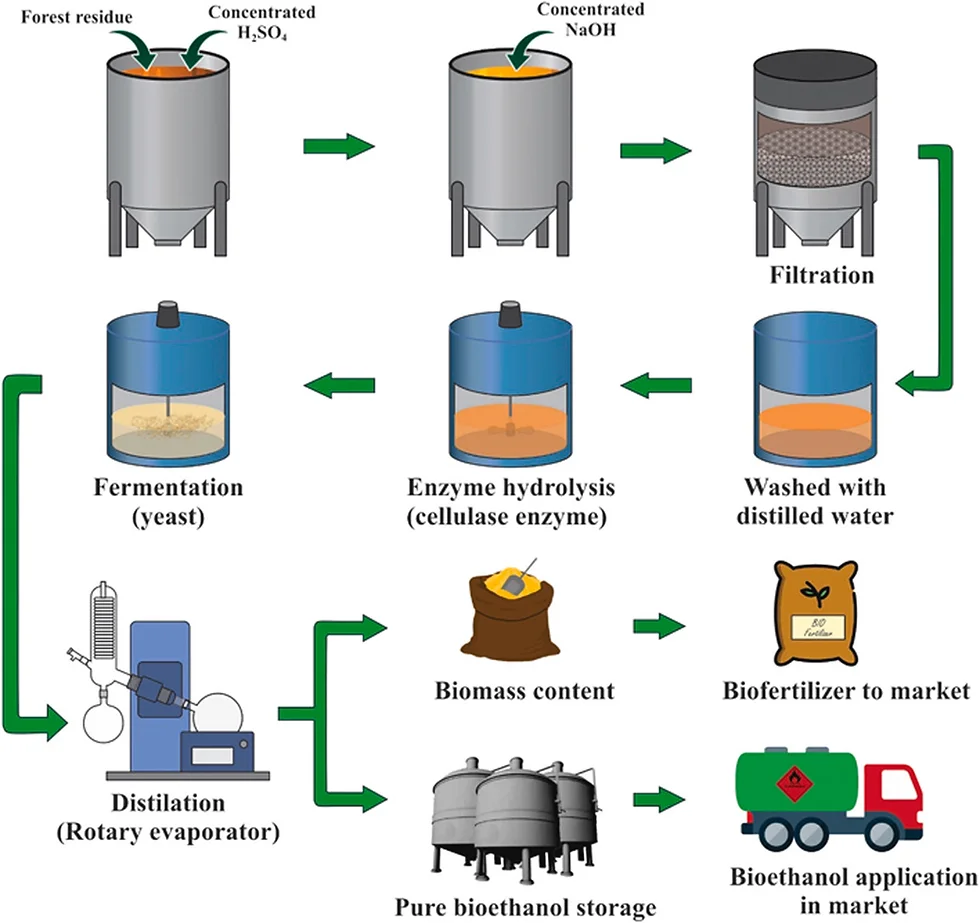
In this article, we will explore the three main stages of bioethanol production: preparation of melassa, fermentation, and distillation. We will also discuss the challenges and considerations involved in producing bioethanol at home.
Understanding Bioethanol
Bioethanol is a type of alcohol that can be produced from various sources, including sugarcane, corn, wheat, and other organic materials. The formula for ethanol is CH3CH2OH, but not all ethanol is created equal. To be considered “bio,” it must be produced through fermentation of plant-based materials.
The Three Stages of Bioethanol Production
- Preparation of Melassa
Melassa is a thick, dark liquid made from the breakdown of organic materials such as sugarcane or corn. It serves as the starting material for bioethanol production. Preparing melassa can be complex and costly, especially when using sugarcane or corn.
Alternative Substrates
While sugarcane or corn are traditional substrates for bioethanol production, alternative sources can also be used. For example, grains like oats or barley, as well as agricultural waste like potato peels or wheat straw, can be converted into melassa through enzymatic hydrolysis.
Enzyme Selection and Usage
Enzymes play a crucial role in breaking down complex organic materials into melassa. Different enzymes have varying levels of effectiveness depending on the substrate used. For example, amylase is commonly used to break down starch-based substrates like corn, while cellulase is more effective for breaking down cellulose-containing substrates like sugarcane.
Fermentation
The fermentation stage is where the magic happens. Microorganisms like yeast and bacteria convert the sugars in the melassa into ethanol. However, fermentation requires precise temperature and pressure control to ensure optimal yields and minimize contaminants.
Temperature Control
Temperature control is critical during fermentation. Most microorganisms thrive between 25-30°C (77-86°F), but some species can tolerate higher or lower temperatures. Incorrect temperature ranges can lead to reduced ethanol yields, contamination, or even the death of microorganisms.
Pressure Control
Pressure control is also essential during fermentation. High pressures can facilitate the breakdown of complex organic materials, while low pressures may inhibit microbial growth and ethanol production.
Monitoring Fermentation Progress
Regular monitoring of fermentation progress is crucial for identifying potential issues before they become major problems. Parameters like pH, temperature, specific gravity, and CO2 levels should be regularly checked to ensure optimal conditions.
Distillation
After fermentation, the resulting liquid is distilled to separate ethanol from water and other impurities. Simple distillation methods can only achieve purity levels of up to 96%. To produce bioethanol with a higher level of purity (95% or above), more complex distillation processes like vacuum distillation may be necessary.
Vacuum Distillation
Vacuum distillation is an advanced technique that involves removing atmospheric pressure from the still. This allows for more efficient separation of ethanol from water and other impurities, resulting in higher purity levels.
Challenges and Considerations
While producing bioethanol at home is possible, it’s not without its challenges. The fermentation stage requires careful temperature and pressure control, and the distillation process can be energy-intensive. Moreover, industrial-scale production methods often employ enzymes to break down complex organic materials, which can be difficult to replicate at home.
Safety Precautions
Handling ethanol requires proper safety precautions. Always wear protective gear, including gloves and goggles, and store ethanol in well-ventilated areas. Ethanol is highly flammable and should never be left unattended.
Conclusion
Producing bioethanol from scratch may seem like a daunting task, but with the right knowledge and equipment, it’s achievable. However, it’s essential to consider the complexities involved in each stage of production and the potential challenges that may arise.
Frequently Asked Questions (FAQs)
- Q: Can I use my own backyard to produce bioethanol?
A: Yes, but ensure that your equipment is food-grade and meets safety standards. - Q: What substrates can be used for bioethanol production?
A: Sugarcane, corn, wheat, oats, barley, potato peels, and other organic materials can be converted into melassa. - Q: How do I ensure the purity of my bioethanol?
A: Use proper distillation techniques and control temperature and pressure to achieve desired purity levels. - Q: What safety precautions should I take when handling ethanol?
A: Always wear protective gear, including gloves and goggles, and store ethanol in well-ventilated areas. - Q: Can I sell my homemade bioethanol?
A: Check local laws and regulations regarding the sale of biofuels; some jurisdictions may have specific requirements or restrictions. - Q: How long does it take to produce bioethanol?
A: The entire process, from preparation of melassa to distillation, can take several days or weeks, depending on factors like substrate availability and equipment efficiency. - Q: Can I use bioethanol as a fuel for cars?
A: Currently, bioethanol is not compatible with all vehicles; consult your car’s manual before using it as a fuel source.
Additional Resources
If you’re interested in learning more about bioethanol production or have specific questions, there are many online resources available. Some recommended websites include:
- The United States Department of Energy’s Biofuels 101 webpage
- The American Society for Testing and Materials (ASTM) Standard Guide for Biofuel Production
- The National Institute of Standards and Technology (NIST) Handbook on Biofuel Analysis
By understanding the complexities of bioethanol production and addressing the challenges involved, you can successfully produce this renewable energy source in your own home.


