
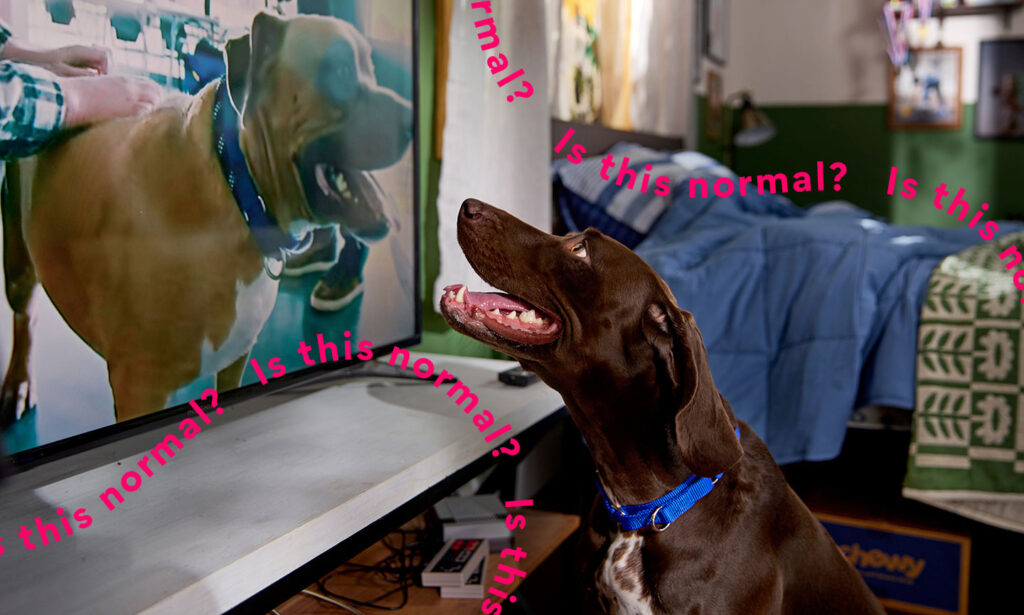
As we watch our furry friends glued to the screen, it’s natural to wonder what they’re actually seeing. Dogs have a unique way of interacting with TVs, and their perception of the content is far from human-like. The question on many pet owners’ minds is: “What do dogs really see when they’re watching TV?” In this article, we’ll delve into the world of canine television viewing and explore what our furry friends are really seeing.
What Do Dogs See on TV?
Dogs don’t see the same colors as humans do. They are dichromats, meaning they can only perceive blues and yellows, whereas humans are trichromats, able to see a wider range of colors. This difference in color vision affects what dogs find appealing on screen. For example, while a human might be captivated by a bright red ball, a dog would see it as a dull yellow or blue.
Sound vs. Visual Appeal
While visual content might seem appealing to our canine companions, the truth is that sound plays a much more significant role in captivating their attention. Dogs are highly attuned to sounds, and TV programs with engaging audio can be incredibly enticing. From barks and whines to music and effects, sound is key to capturing a dog’s interest. In fact, studies have shown that dogs can pick up on subtle sounds that are imperceptible to humans, making audio an essential component of their viewing experience.
Canine Preferences: What Do They Like?
Just like humans, dogs have individual preferences when it comes to TV content. Some may find cartoons or documentaries more appealing than sports or news programs. However, research suggests that dogs tend to be drawn to shows featuring other animals, such as cats or wildlife. This preference is likely due to their natural instinct to observe and learn from the world around them.
Color Perception in Dogs
When it comes to color perception, dogs are more sensitive to movement than static visual cues. This means that high-quality screens with minimal color “movement” are more likely to hold their attention. Additionally, dogs tend to focus on areas of the screen with high contrast, such as bright colors against a dark background. By understanding these preferences, we can create a more engaging viewing experience for our canine friends.
Video Content: What Do Dogs Prefer?
Studies have shown that when watching videos, dogs tend to focus on scenes featuring similar animals or characters. They also seem to tire quickly, often stopping mid-scene after just a few seconds. This is likely due to their natural attention span, which is influenced by their breeding and training history. For example, working breeds like herding dogs may have shorter attention spans than companion breeds.
Films and TV Shows for Dogs
For those looking to share the TV experience with their canine companions, there are some excellent options available. Cartoons like “Cani & Gatti – La vendetta di Kitty” or shows featuring dogs as main characters can be great choices. These programs often cater to a dog’s natural curiosity and love of movement, making them ideal for a viewing experience.
Popular Dog-Friendly TV Shows
Some popular dog-friendly TV shows include:
- “Paw Patrol”: A animated series about a group of rescue dogs who work together to protect their community.
- “Dog with a Blog”: A live-action sitcom about a family who adopts a dog that can talk and blog.
- “Bluey”: An Australian animated series about a blue heeler dog named Bluey, who goes on adventures with her family.
Conclusion
While our canine friends may not see the world in the same way we do, they have a unique perspective on TV content. By understanding their preferences and needs, we can create a more inclusive viewing experience for both humans and animals alike. Whether it’s through the use of high-quality screens or engaging audio, there are many ways to make TV enjoyable for our furry friends.
Frequently Asked Questions (FAQs)
Q: Do dogs really watch TV?
A: Yes, many dogs are fascinated by screens and will spend hours watching TV with their owners. In fact, a study by the American Society for the Prevention of Cruelty to Animals (ASPCA) found that 63% of dog owners reported having a TV or computer in the home where they watched videos together.
Q: What colors do dogs see on TV?
A: Dogs are dichromats, meaning they can only perceive blues and yellows. However, their color vision is influenced by their natural environment and breeding history.
Q: Why is sound so important to dogs?
A: Dogs are highly attuned to sounds, making audio an essential component of what captures their attention. Research has shown that dogs can pick up on subtle sounds that are imperceptible to humans.
Q: What type of content do dogs prefer?
A: Research suggests that dogs tend to be drawn to shows featuring other animals or wildlife. This preference is likely due to their natural instinct to observe and learn from the world around them.
Q: How do dogs perceive movement on screen?
A: Dogs are more sensitive to movement than static visual cues, making high-quality screens with minimal color “movement” ideal for their viewing experience.
Q: Can I play videos specifically designed for dogs on TV?
A: Yes, there are many excellent options available, including cartoons and shows featuring dogs as main characters. These programs often cater to a dog’s natural curiosity and love of movement.
Q: How can I create a more inclusive viewing experience for both humans and animals?
A: By understanding canine preferences and needs, we can create a more enjoyable experience for all viewers. This might involve using high-quality screens or engaging audio, as well as choosing content that caters to a dog’s natural interests and attention span.
Tips for Watching TV with Your Dog
If you’re looking to share the TV experience with your furry friend, here are some tips to keep in mind:
- Choose high-quality content: Opt for shows or videos that feature engaging audio and minimal color “movement.”
- Use a large screen: Dogs have limited spatial awareness, so using a larger screen can help them focus on the action.
- Create a comfortable viewing space: Make sure your dog has a comfortable place to sit or lie down while watching TV, such as a plush couch or a soft blanket.
- Avoid overstimulation: Be mindful of your dog’s individual preferences and attention span, and avoid overwhelming them with too much visual or auditory stimulation.
By following these tips and understanding what our canine friends really see on TV, we can create a more enjoyable viewing experience for both humans and animals alike.


