
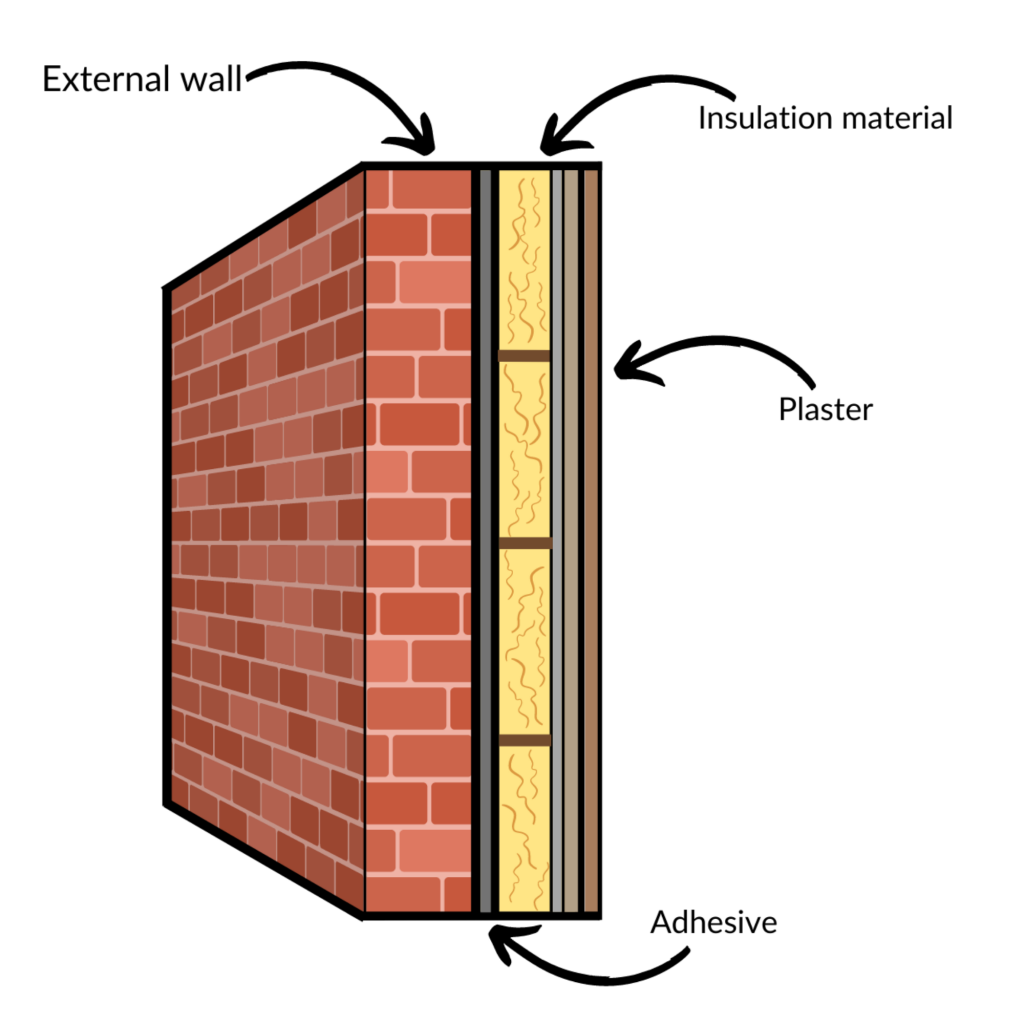
Insulating a wall is an essential step in making your home more energy-efficient and comfortable. Whether you want to reduce heat loss, prevent moisture damage, or minimize noise pollution, there are various methods and materials available to help you achieve your goal.
In this article, we will explore the different types of insulation, their benefits, and the best practices for installing them. We’ll also discuss the importance of proper ventilation and address common misconceptions about DIY insulation projects.
Types of Wall Insulation
There are several types of wall insulation available, each with its own strengths and weaknesses. Here are some of the most popular options:
- External Insulation: This method involves installing a thermal barrier on the exterior of the wall, which can be made from materials such as foam board, fiberglass batts, or mineral wool.
- Internal Insulation: This approach involves insulating the wall cavity with materials like insulation boards, reflective barriers, or spray foams.
- Hybrid Insulation: A combination of external and internal insulation methods is also available, which can offer better performance and reduced costs.
Materials for Wall Insulation
The type of material used for wall insulation depends on various factors such as budget, climate, and personal preferences. Some popular options include:
- Polystyrene Foam Board: A lightweight, inexpensive material that provides good thermal insulation.
- Fiberglass Batt: A cost-effective option that offers moderate performance.
- Mineral Wool: A natural, breathable material that provides excellent thermal insulation and fire resistance.
- Spray Foam: A high-performance material that expands to fill gaps and provides excellent insulation.
DIY Wall Insulation: Is It Worth the Risk?
While DIY wall insulation can be a cost-effective option, it’s essential to consider the potential risks and challenges involved. Improper installation can lead to reduced performance, moisture damage, or even health hazards.
Before embarking on a DIY project, assess your skills and knowledge. If you’re unsure about any aspect of the process, consult a professional or reconsider your decision.
Best Practices for Wall Insulation
To ensure optimal performance and safety, follow these best practices when installing wall insulation:
- Proper Ventilation: Ensure adequate ventilation to prevent moisture buildup and reduce the risk of mold growth.
- Material Selection: Choose materials that meet local building codes and are suitable for your climate.
- Installation Techniques: Follow manufacturer instructions and industry standards for installation techniques.
- Regular Maintenance: Regularly inspect and maintain your insulation system to ensure optimal performance.
Frequently Asked Questions
Here are some common questions related to wall insulation:
- Q: What is the most cost-effective way to insulate a wall?
A: The most cost-effective option depends on various factors such as budget, climate, and personal preferences. - Q: How do I choose the right material for my wall insulation project?
A: Consider factors such as thermal performance, fire resistance, and moisture resistance when selecting a material. - Q: Can I DIY wall insulation if I don’t have experience with construction projects?
A: While it’s possible to DIY wall insulation, it’s essential to consider the potential risks and challenges involved. Consult a professional or reconsider your decision if you’re unsure.
Common Mistakes to Avoid
When installing wall insulation, there are several common mistakes to avoid:
- Insufficient Ventilation: Failing to provide adequate ventilation can lead to moisture buildup and reduced performance.
- Incorrect Material Selection: Using materials that don’t meet local building codes or aren’t suitable for your climate can compromise the effectiveness of the insulation system.
- Poor Installation Techniques: Improper installation techniques can reduce the performance of the insulation system and increase the risk of health hazards.
Regulations and Building Codes
Wall insulation regulations and building codes vary depending on your location. It’s essential to consult local authorities to determine the specific requirements for your area.
Some key regulations and building codes to be aware of include:
- Energy Efficiency Standards: Many countries have energy efficiency standards that require homes to meet minimum thermal performance levels.
- Moisture Resistance Requirements: Some building codes require insulation materials to meet specific moisture resistance standards.
- Fire Safety Regulations: Insulation materials must meet fire safety regulations, such as those related to flame spread and smoke toxicity.
Conclusion
Insulating your walls is a crucial step in making your home more energy-efficient and comfortable. By understanding the different types of wall insulation, materials, and best practices, you can make an informed decision about how to insulate your walls effectively and safely.
Remember to consider the potential risks and challenges involved with DIY projects, and consult professionals if you’re unsure about any aspect of the process. With proper ventilation, material selection, installation techniques, and regular maintenance, you can enjoy a warm, comfortable, and energy-efficient home.


