
Introduction
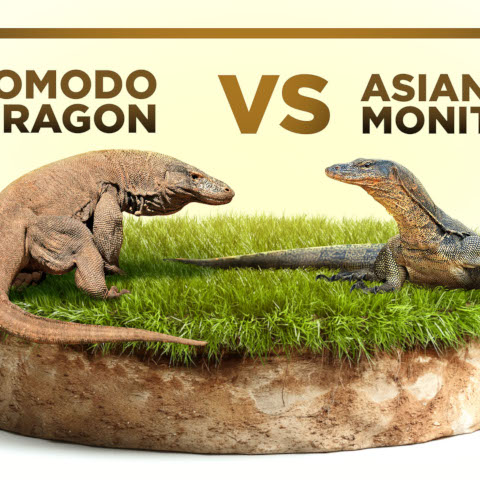
Deep within the Indonesian archipelago lies a creature so formidable, it has earned a reputation as one of the most feared animals on the planet. Meet the Komodo dragon, also known as the “lucertola gigante” or giant lizard, a behemoth that rules its domain with an iron fist. In this article, we will delve into the world of these incredible reptiles, exploring their habitat, diet, weight, and behavior.
The Komodo Dragon: Where Does it Live?
Named after the Indonesian island where it was first discovered, the Komodo dragon is native to the islands of Komodo, Rinca, Flores, Gili Motang, and Gili Dasami. This incredible creature has adapted to its environment in remarkable ways, with a size that allows it to dominate its ecosystem.
The Komodo Dragon: A Brief History
The Komodo dragon’s origins date back to the Pleistocene era, when these animals inhabited the Indonesian islands as solitary creatures. However, over time, they evolved into a complex social structure, forming groups of up to 50 individuals. This shift in behavior is believed to have been triggered by changes in their environment and the availability of food.
Weight and Size: The Komodo Dragon’s Unmatched Proportions
Weighing up to 70 kg (154 lbs) and reaching lengths of 3 meters (10 feet), the Komodo dragon is an awe-inspiring sight. Its massive size gives it a unique advantage in its habitat, making it a top predator in its ecosystem.
Diet: A Varied Menu of Prey
The Komodo dragon’s diet is vast and varied, consisting of invertebrates, birds, mammals, and even carrion. With an exceptional sense of smell, these creatures can detect carcasses from up to 10 kilometers (6.2 miles) away. Their prey preference is the deer, but they are also known to attack other animals, including humans.
Attacking Behavior: A Complex Social Structure
When hunting in groups, Komodo dragons employ a unique strategy, with larger individuals devouring their smaller companions first. This complex social behavior is rare in the reptile world, making these creatures all the more fascinating.
Venomous Secretion: The Dragon’s Bite is Deadly
The Komodo dragon’s bite is not just intimidating; it contains a potent venom that can be lethal to its prey. When biting an animal, the dragon injects this venom into the wound, causing rapid death.
Common Prey: A List of Potential Targets
- Other reptiles
- Birds
- Uccelli eggs
- Primates
- Cinghiali
- Capre
- Cavalli
- Bufali d’acqua
Juvenile Diet: From Insects to Small Mammals
Young Komodo dragons begin their life cycle by feeding on insects, eggs, geckos, and small mammals. As they grow, their diet becomes more varied, including carrion.
Human Interaction: A Rare but Ominous Encounter
Sadly, humans have encountered the Komodo dragon in a few cases. These encounters often result in fatalities, making these creatures an even greater threat. In some cases, these aggressive animals will even dig up human graves to feed on the remains.
Digestion and Cannibalism: The Dark Side of Komodo Nature
After consuming a meal, the Komodo dragon undergoes a slow digestion process that allows it to survive for weeks without eating. However, this slow metabolism also makes it vulnerable to cannibalism within its own species. Young dragons are often consumed by larger adults when they compete for territory or resources.
Longevity: A Life Span of Up to 30 Years
Komodo dragons have been known to live up to 30 years in the wild, although their average lifespan is lower due to various threats and environmental factors.
Conservation Efforts: Protecting the Komodo Dragon’s Habitat
The Indonesian government has established several national parks and conservation areas to protect the Komodo dragon’s habitat. These efforts have helped to increase the population of these incredible creatures, but more work needs to be done to ensure their survival.
Threats to Komodo Dragon Populations: Habitat Loss and Hunting
Habitat loss and hunting are two of the main threats to Komodo dragon populations. The destruction of their natural habitats has reduced the availability of food and shelter for these animals, making it difficult for them to survive. Hunting is also a significant threat, as the demand for Komodo dragons’ skin and other body parts can lead to overhunting.
The Price of Viewing Komodo Dragons: A Cautionary Tale
If you’re thinking of visiting the Komodo National Park to see these incredible creatures, think twice. The park’s unique ecosystem requires careful management, and aggressive behavior from these animals can result in serious injury or even death.
Interesting Facts About Komodo Dragons
- Komodo dragons are one of the largest lizards in the world.
- They have a highly efficient respiratory system that allows them to survive for long periods without water.
- Their skin secretes mucus, which helps to protect them from dehydration and other environmental stressors.
- Komodo dragons can live up to 50 years in captivity.
Frequently Asked Questions
- What do Komodo dragons eat?
-
Komodo dragons are carnivores and have a diverse diet consisting of invertebrates, birds, mammals, carrion, and other reptiles.
-
How big can Komodo dragons grow?
-
They can weigh up to 70 kg (154 lbs) and reach lengths of 3 meters (10 feet).
-
What is unique about the way Komodo dragons hunt?
-
When hunting in groups, larger individuals devour their smaller companions first.
-
Can humans be attacked by Komodo dragons?
-
Yes, they can be aggressive towards humans, especially when defending their territory or food sources.
-
How long do Komodo dragons live?
-
They have been known to live up to 30 years in the wild.
-
What is the primary threat to Komodo dragon populations?
-
Habitat loss, poaching, and human interactions are major threats to these incredible creatures.
-
Can Komodo dragons be kept as pets?
-
No, they are not suitable for domestication due to their aggressive behavior and specialized dietary needs.
-
What should I do if I encounter a wild Komodo dragon?
- Stay calm, keep a safe distance, and immediately leave the area if necessary.


