
Thyme essential oil is extracted through distillation from the common thyme plant, botanically known as Thymus vulgaris. In this article, we’ll delve into the various uses, properties, characteristics, and benefits of thyme essential oil.
What is Thyme Essential Oil?
Thyme essential oil is a naturally antimicrobial and antiseptic compound extracted from the leaves of the thyme plant through distillation. Its composition includes a high concentration of timol, which can vary depending on the harvest period and cultivation methods.
Uses of Thyme Essential Oil
Thyme essential oil has numerous uses, making it a popular ingredient in various industries. Some of its main uses include:
- Industrial applications
- Disinfectants for hands without alcohol
- Traditional medicine for wound healing
- Antifungal treatments for toenail fungus
Traditional Medicinal Uses of Thyme Essential Oil
Thyme essential oil has been used for centuries in traditional medicine to treat various ailments. Some of its most notable uses include:
- Wound Healing: Thyme essential oil has been shown to have antimicrobial properties, making it effective against bacterial and fungal infections.
- Respiratory Issues: The oil’s expectorant properties help relieve congestion and coughs associated with colds, bronchitis, and other respiratory conditions.
- Digestive Health: Thyme essential oil can aid in digestion and reduce inflammation in the digestive tract.
Internal Use of Thyme Essential Oil
When it comes to using thyme essential oil internally, there are some precautions to consider:
- Dosage: Due to its high concentration of active compounds, it’s difficult to determine a safe dosage for internal use.
- Toxicity: Some compounds in the oil can be toxic if ingested in large quantities.
To benefit from thyme essential oil’s properties without risking toxicity, consider making an infusion with fresh thyme leaves. This traditional remedy has been shown to have anti-inflammatory effects and reduce inflammation in the respiratory tract.
Thymol: A Key Component of Thyme Essential Oil
Thymol is a key component of thyme essential oil, responsible for its antimicrobial properties. It’s also used as an active ingredient in various products, including Listerine mouthwash.
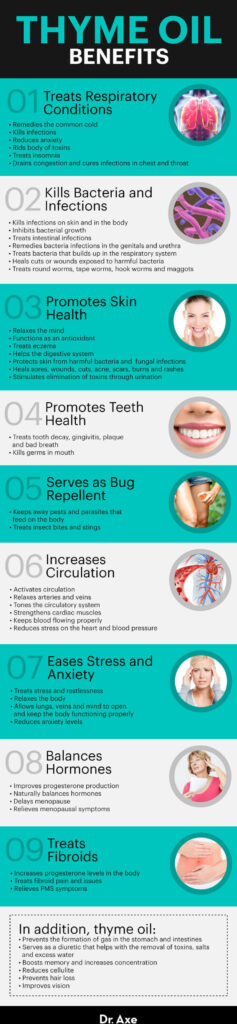
Benefits of Thyme Essential Oil
Thyme essential oil has numerous benefits due to its unique composition and properties:
- Diuretic Properties: Helps increase urine production.
- Hypertensive Stimulant: Raises blood pressure.
- Astringent Properties: Reduces inflammation.
- Epatic Tonic: Supports liver function.
Anticatarral and Expectorant Properties
Thyme essential oil’s anticatarral properties help relieve nasal congestion, while its expectorant properties facilitate the removal of mucus from the lungs.
Antispasmodic Effects
The oil’s antispasmodic properties help relax muscles and reduce muscle spasms.
Equilibrating Properties (Aromatherapy)
Thyme essential oil has equilibrating properties, making it effective in aromatherapy for promoting balance and relaxation.
Anti-Catarral and Expectorant Effects
Thyme essential oil’s anticatarral effects help relieve nasal congestion, while its expectorant effects facilitate the removal of mucus from the lungs.
Antispasmodic Effects
The oil’s antispasmodic properties help relax muscles and reduce muscle spasms.
Antiseptic and Anti-Inflammatory Properties
Thyme essential oil has anti-septic and anti-inflammatory properties, making it effective against a range of bacterial, fungal, and parasitic infections.
Precautions for Using Thyme Essential Oil Internally
When using thyme essential oil internally, there are some precautions to consider:
- Dosage: Due to its high concentration of active compounds, it’s difficult to determine a safe dosage for internal use.
- Toxicity: Some compounds in the oil can be toxic if ingested in large quantities.
Choosing the Right Thyme Essential Oil
When selecting thyme essential oil, look for products that are:
- Derived from high-quality, organic thyme plants
- Extracted using safe and sustainable methods
- Free of additives and preservatives
Thyme Essential Oil vs. Timo Bianco
Timo bianco (white thyme) is another type of thyme essential oil made from the Thymus serpyllum plant. While it shares similar properties with timo, it has some distinct differences:
- Composition: Timo bianco has a slightly different composition than timo, which can affect its efficacy.
- Production Process: The production process for timo bianco may vary from that of timo.
Conclusion
Thyme essential oil is a versatile and potent natural remedy with numerous benefits. By understanding its uses, properties, and precautions, you can harness its power to improve your health and well-being.
Frequently Asked Questions (FAQs)
- What are the most common uses of thyme essential oil?
- Industrial applications
- Disinfectants for hands without alcohol
- Traditional medicine for wound healing
- Antifungal treatments for toenail fungus
- Can I use thyme essential oil internally?
- Dosage: Due to its high concentration of active compounds, it’s difficult to determine a safe dosage for internal use.
- Toxicity: Some compounds in the oil can be toxic if ingested in large quantities.
- What are the benefits of thymol?
- Diuretic properties
- Hypertensive stimulant
- Astringent properties
- Epatic tonic
- Can I use timo bianco instead of timo?
- While timo bianco shares similar properties with timo, it has some distinct differences.
- The production process for timo bianco may vary from that of timo.
Thyme essential oil is a versatile natural remedy that offers numerous benefits. With its unique composition and properties, it can be used in various ways to promote health and well-being. However, when using thyme essential oil internally, it’s crucial to follow the proper precautions to avoid any potential toxicity risks.


