
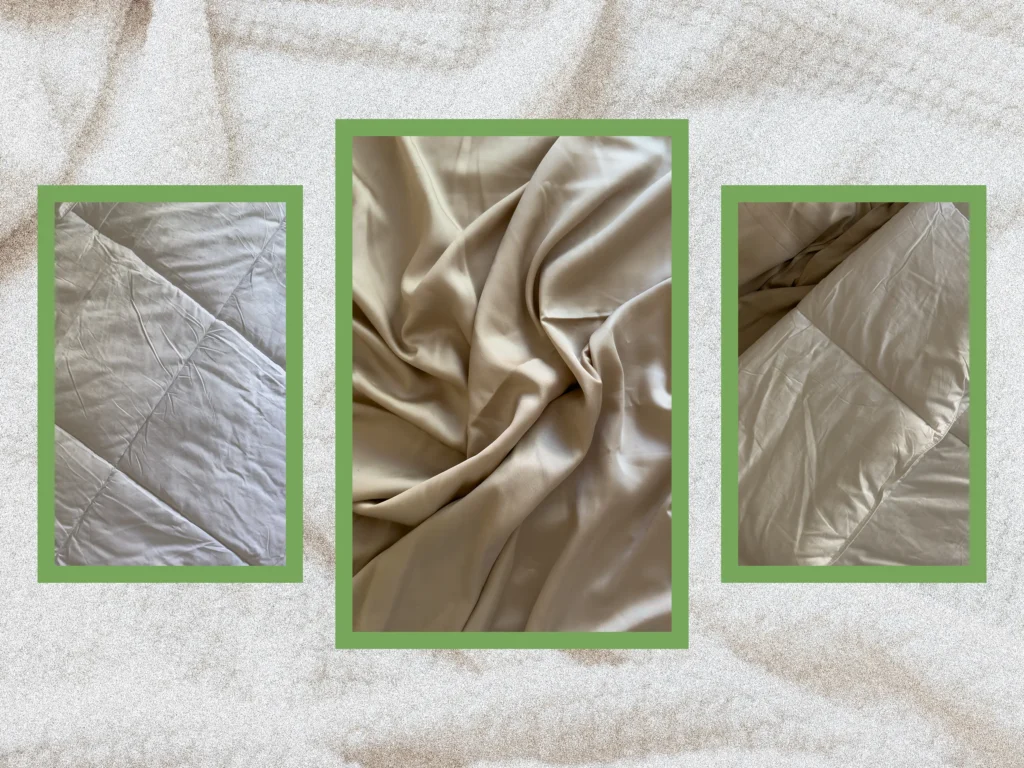
As a consumer, you’re constantly being bombarded with information about the environmental impact of your purchasing decisions. One fabric that stands out for its sustainability is Lyocell, also known as Tencel. This eco-friendly material has gained popularity in recent years due to its unique properties and benefits.
What is Lyocell?
Lyocell is a synthetic fiber made from wood pulp cellulose, derived from eucalyptus trees. It’s considered one of the most environmentally friendly fibers available today. To put this into perspective, it takes only 0.4 kilograms of wood to produce 1 kilogram of Lyocell, compared to 5 times more wood needed for cotton production.
The Production Process
Lyocell is produced through a closed-loop process that minimizes waste and reduces the amount of chemicals used. The eucalyptus pulp is dissolved in a solvent, which is then treated with a solution called N-methylmorpholine N-oxide (NMMO). This process creates a liquid fiber that can be spun into yarns. The resulting fabric is soft, breathable, and moisture-wicking.
Characteristics of Lyocell
Lyocell has several unique characteristics that make it an excellent choice for clothing and textiles:
- Softness: Lyocell is known for its exceptional softness, making it comfortable against the skin.
- Breathability: This fabric allows for airflow, reducing the risk of overheating and discomfort.
- Moisture-wicking: Lyocell’s moisture-wicking properties make it ideal for activewear and outdoor clothing.
- Hypoallergenic: Lyocell is resistant to dust mites, mold, and mildew, making it an excellent choice for those with sensitive skin.
Care Instructions
Lyocell fabric can be washed in a washing machine and dried on a low heat setting. It’s recommended to avoid using bleach or harsh chemicals, as they can damage the fabric. Ironing is not necessary, but if you do choose to iron, use a low-temperature setting to prevent scorching.
Benefits of Lyocell
Lyocell offers several benefits that make it an attractive option for consumers:
- Eco-friendly: Lyocell is made from wood pulp cellulose and produced using a closed-loop process, making it an environmentally friendly choice.
- Softness and breathability: Lyocell fabric is soft and breathable, making it comfortable against the skin.
- Moisture-wicking: Lyocell’s moisture-wicking properties make it ideal for activewear and outdoor clothing.
- Hypoallergenic: Lyocell is resistant to dust mites, mold, and mildew.
The Future of Sustainable Fashion
As consumers become more aware of the environmental impact of their purchasing decisions, sustainable fashion has become increasingly important. Lyocell is an excellent choice for those looking for eco-friendly clothing options. With its unique properties and benefits, it’s poised to play a significant role in shaping the future of sustainable fashion.
FAQs:
- Is Lyocell biodegradable?
- Yes, Lyocell is considered biodegradable. However, it may not break down completely in all environments.
- Can I use bleach on Lyocell fabric?
- No, it’s recommended to avoid using bleach or harsh chemicals on Lyocell fabric.
- Is Lyocell hypoallergenic?
- Yes, Lyocell is resistant to dust mites, mold, and mildew.
- Can I iron Lyocell fabric?
- It’s not necessary to iron Lyocell fabric, but if you do choose to, use a low-temperature setting.
Sustainability of Lyocell
Lyocell has several sustainability benefits:
- Closed-loop production: The eucalyptus pulp is dissolved in a solvent and then treated with a solution called N-methylmorpholine N-oxide (NMMO). This process creates a liquid fiber that can be spun into yarns. The resulting fabric is soft, breathable, and moisture-wicking.
- Low water usage: Lyocell production requires minimal water, making it an attractive option for those looking to reduce their environmental impact.
- Biodegradable: Lyocell is considered biodegradable.
Conclusion
Lyocell is a sustainable and eco-friendly fabric that offers several benefits. Its unique properties make it comfortable against the skin, breathable, and moisture-wicking. With its closed-loop production process and low water usage, Lyocell is an attractive option for consumers looking to reduce their environmental impact. As consumers become more aware of the environmental impact of their purchasing decisions, sustainable fashion has become increasingly important.


