
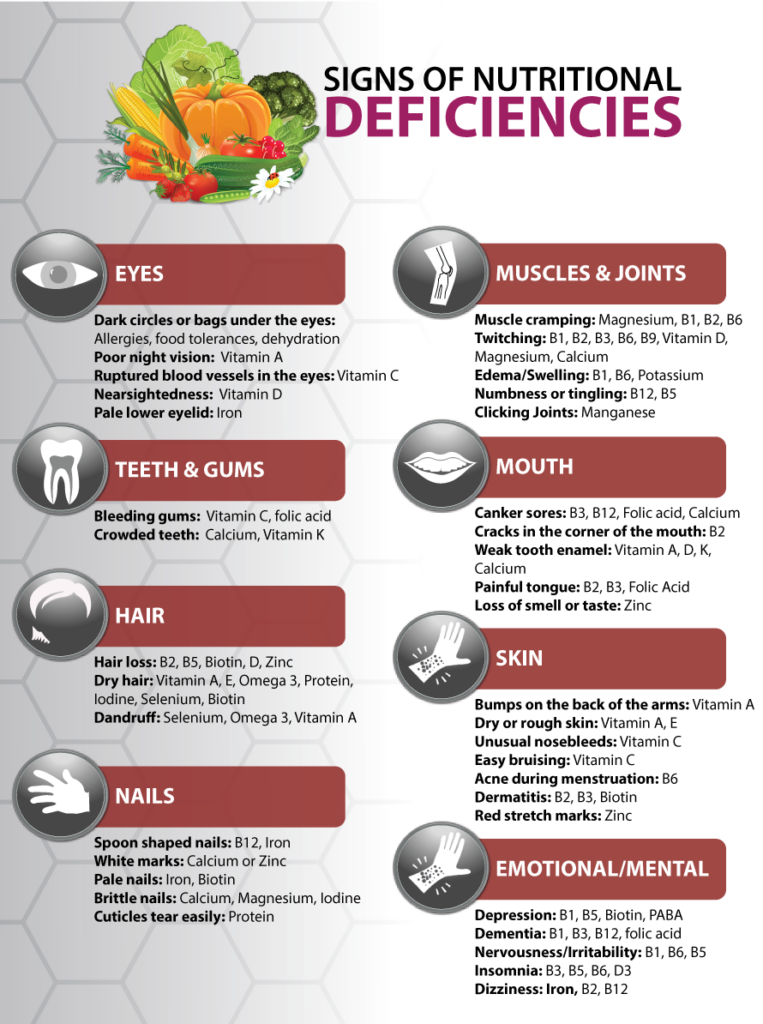
Nutritional deficiencies can be a result of our daily lifestyle choices, often prioritizing other aspects of life over our body’s nutritional needs. These gaps in nutrition can lead to various health problems, especially if left unchecked. In this article, we will explore the most common nutritional deficiencies, their symptoms, and the consequences of neglecting them.
Common Symptoms of Nutritional Deficiencies
The primary signs of a diet that lacks essential nutrients are weakness and depression. As a result, the brain struggles to function properly, memory suffers, and stress levels increase due to vitamin B deficiencies, amino acid shortages, zinc, magnesium, iodine, and iron lack. A weakened body makes it more susceptible to illness, and in the event of disease, recovery takes longer.
Some other common symptoms of nutritional deficiencies include:
- Fatigue and lethargy
- Hair loss and brittle nails
- Dry skin and poor wound healing
- Muscle cramps and weakness
- Poor immune function
- Mood swings and depression
Nutritional Deficiencies in Children
Children are particularly vulnerable to nutritional deficiencies, which can affect their physical and mental well-being. Many deficiencies target the balance of a child’s psyche as much as their health. Omega-3 fatty acids, found in fish, eggs, nuts, seeds, and dried fruits, support healthy brain development and mood stability. Zinc supports digestive and immune system movements but also contributes to mental equilibrium. Adequate zinc intake can be achieved through consuming beef, spinach, pumpkin seeds, and dark chocolate.
Selenium is another essential mineral often associated with nutritional deficiencies and plays a crucial role in thyroid health as well as mental wellbeing. Selenium-rich foods include sunflower seeds, whole wheat bread, tuna, Brazil nuts, pork, and oysters.
Magnesium deficiency is commonly caused by excessive alcohol consumption, sugar, and soda but must not be overlooked since it also aids in regulating body temperature. Iodine, which supports thyroid function, immune system, memory, and body temperature regulation, can be found in cheese, dried seaweed, potatoes, blueberries, canned tuna, and shrimp.
Pregnant women, in particular, need to avoid iron deficiencies as they can lead to anemia and fatigue of the brain. To prevent these issues, pregnant women should consume clams, mussels, nuts, dried apricots, soy products, chicken liver, and dried prunes.
Nutritional Deficiencies in Plants
Just like humans, plants can suffer from nutritional deficiencies, leading to a range of diseases that affect their health as well as the quality of the harvest. These plant maladies are similar to those affecting animals.
Some common symptoms of nutritional deficiencies in plants include:
- Yellowing or stunted growth
- Reduced yields and fruit production
- Increased susceptibility to disease
- Poor root development
Depression and Nutritional Deficiencies
Prolonged deficiencies often lead to depression at various levels. Vitamin B deficiencies increase the risk of stroke, worsen nails and skin but most critically can cause a significant drop in mood. The intake of folic acid, found in cooked beans, lentils, spinach, avocado, broccoli, and tropical fruits helps prevent these conditions.
Another essential vitamin linked to depression is vitamin D, which can be obtained from fish, portobello mushrooms, liver oil, tofu, among other sources.
Nutritional Deficiencies in a Vegetarian Diet
When choosing a vegetarian diet, one should pay special attention to replacing animal-based protein sources with plant-based ones found in legumes, dried fruits, and nuts. Additionally, vegetarians risk nutritional deficiencies of calcium and vitamin D that can be found in dairy products, cheese, and yogurt.
Vegetarians also need to consume iron-rich foods like spinach, as it is not easily absorbed by the body, but this can be mitigated by combining it with vitamin C-rich foods like citrus fruits. Zinc deficiency can be avoided through consuming dairy, nuts, dried fruits, legumes, whole grain bread, and soy products.
The essential omega-3 fatty acids found in plant-based sources include almonds and flaxseeds.
Nutritional Deficiencies in a Vegan Diet
A vegan diet is particularly at risk of nutritional deficiencies. Simply replacing animal products with vegetarian alternatives does not guarantee an adequate intake of all essential nutrients. Vegans must be aware that they may miss out on vital amino acids, which help balance neurotransmitters and reduce anxiety, stress, eggs, lean meat, and dairy.
Some common nutritional deficiencies in a vegan diet include:
- Vitamin B12 deficiency
- Iron deficiency
- Calcium deficiency
- Omega-3 fatty acid deficiency
Conclusion
In conclusion, nutritional deficiencies can have far-reaching consequences for our health, particularly if left unchecked. Understanding the common symptoms of these deficiencies is crucial to maintaining overall well-being. By incorporating essential nutrients into our diets, we can prevent or alleviate these issues.
FAQs: Nutritional Deficiencies
-
What are the most common signs of nutritional deficiency?
Weakness and depression are primary signs. -
Which nutrient deficiencies affect mental health?
Vitamin B deficiencies increase anxiety and stress levels, while folic acid deficiency is associated with severe mood drops. -
How can one prevent magnesium deficiency?
Maintain a balanced diet by limiting alcohol consumption, sugar intake, and soda consumption. -
What food sources are rich in selenium?
Sunflower seeds, whole wheat bread, tuna, Brazil nuts, pork, and oysters. -
Can iron deficiency cause serious health problems?
Yes; anemia can occur due to a lack of iron. -
How can one prevent zinc deficiencies?
Adequate intake through consuming beef, spinach, pumpkin seeds, dark chocolate, dairy products, legumes, whole grain bread, and soy products is essential. -
What are some symptoms of vitamin D deficiency?
-
Fatigue
- Muscle weakness
-
High risk of depression
-
Can a vegan diet provide all necessary nutrients for optimal health?
While possible with careful planning, nutritional deficiencies can still occur if not properly planned. -
Which essential vitamins and minerals must be prioritized in the case of vegetarian or vegan diets?
Folic acid, iron, calcium, vitamin B12, omega-3 fatty acids
- What are some general tips for maintaining optimal nutrition?
Eat a balanced diet, avoid excessive sugar consumption, drink plenty of water, consult healthcare professionals if necessary.
Preventing Nutritional Deficiencies: Tips and Strategies
- Eat a variety of whole foods, including fruits, vegetables, whole grains, lean proteins, and healthy fats.
- Consult with a registered dietitian or healthcare professional to determine your nutritional needs.
- Consider taking supplements if necessary, but always consult with a healthcare professional before starting any new supplement regimen.
- Limit processed and packaged foods, which are often high in empty calories and low in essential nutrients.
- Stay hydrated by drinking plenty of water throughout the day.
- Get regular check-ups with your healthcare provider to monitor your health and catch any potential nutritional deficiencies early.
Common Nutritional Deficiencies in Different Age Groups
- Infants (0-12 months): Breast milk provides adequate nutrition, but formula-fed infants may require additional supplements like vitamin D and iron.
- Children (1-18 years): Children require a balanced diet to support growth and development. Iron deficiency anemia is common in children, particularly those with gastrointestinal disorders or bleeding disorders.
- Adults (19-64 years): Adults should aim for a balanced diet that includes a variety of whole foods. Vitamin D deficiency is common among adults, particularly during the winter months when sunlight is scarce.
- Older Adults (65+ years): Older adults may require additional supplements to support bone health and prevent falls.
Conclusion
Nutritional deficiencies can have serious consequences for our health, but by understanding the common symptoms of these deficiencies and taking steps to maintain optimal nutrition, we can prevent or alleviate these issues. Remember to eat a balanced diet, limit processed foods, and stay hydrated to support overall well-being. Consult with healthcare professionals if necessary, and consider taking supplements to ensure you’re getting all the essential nutrients your body needs.
Final Thoughts
Nutritional deficiencies are often overlooked or underdiagnosed, but they can have serious consequences for our health. By prioritizing optimal nutrition and taking steps to prevent nutritional deficiencies, we can maintain overall well-being and reduce the risk of chronic diseases. Remember to eat a balanced diet, limit processed foods, and stay hydrated to support overall health and happiness.
References
- National Institutes of Health. (2022). Dietary Reference Intake for Calcium.
- American Heart Association. (2022). Omega-3 Fatty Acids: Benefits, Sources, and Deficiency.
- Academy of Nutrition and Dietetics. (2022). Vegetarian Diets: Nutritional Considerations.
Note: This article is for informational purposes only and should not be considered as medical advice. Consult with a healthcare professional or registered dietitian to determine your individual nutritional needs and develop a personalized plan for optimal nutrition.


