
Introduction
The passion fruit, also known as maracuja in Portuguese-speaking countries, is a tropical fruit native to Brazil that has gained worldwide fame for its sweet and tangy flavor reminiscent of summer. In this article, we will delve into the properties, cultivation, and consumption of the passion fruit, exploring its numerous health benefits, cultural significance, and versatility.
Properties and Benefits of Passion Fruit
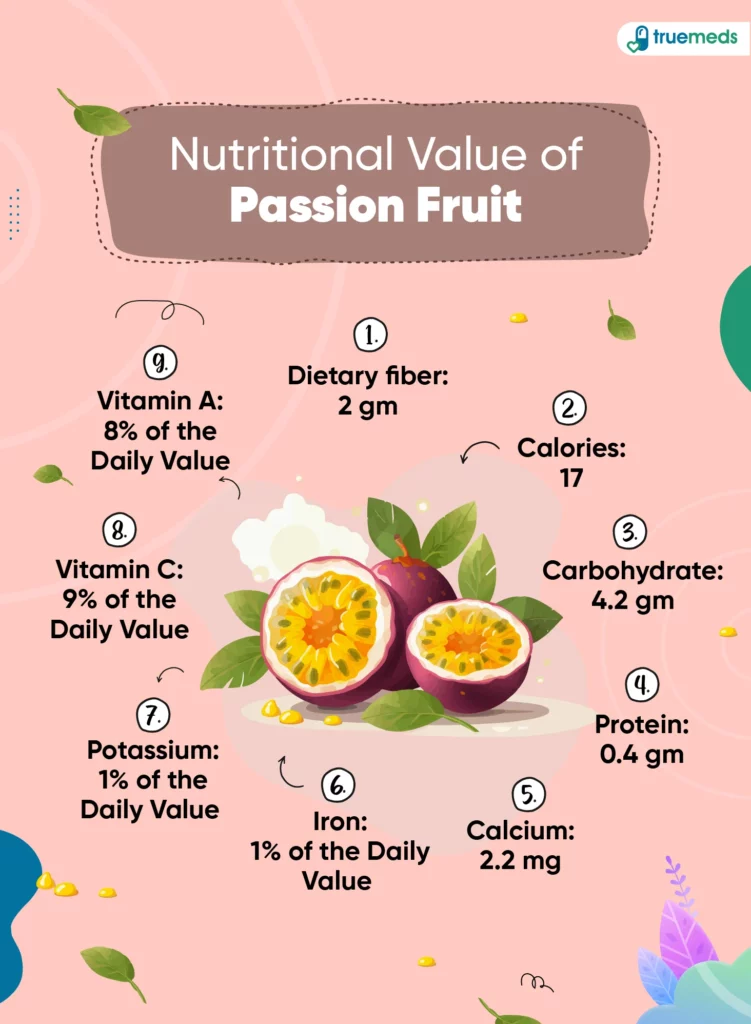
Nutritional Value
Passion fruit is an excellent source of fiber, containing 27% of its weight in pulp. This high fiber content has several benefits, including:
- Improving digestion by promoting healthy gut bacteria
- Aiding in weight management by regulating blood sugar levels and appetite
- Exhibiting anti-inflammatory properties to reduce inflammation in the body
Vitamins and Minerals
Passion fruit is rich in vitamins C and A, with approximately 30 grams of vitamin C per 100 grams of pulp. These nutrients provide:
- Enhanced immunity against seasonal illnesses
- Antioxidant properties to protect mucous membranes from cancer
- Cardiovascular benefits by regulating blood pressure
Calorie Content
The calorie content of passion fruit varies depending on its size and pulp consumption. On average, a medium-sized passion fruit (approximately 18-20 grams) contains around 17 calories.
Consuming Passion Fruit
Preparation Methods
Passion fruit is often used in:
- Gelato and cocktail preparation
- Accompaniment to meat or fish dishes
- Desserts like yogurt
Best Time to Eat
To enjoy the best flavor, it’s essential to choose a passion fruit when it’s fully ripe. Check for slight wrinkling on the skin, and gently shake the fruit to release a pleasant aroma.
Conserving Passion Fruit
Passion fruit is delicate and must be stored properly to maintain its quality. Here are some tips:
- Store at room temperature until fully mature
- Keep in the refrigerator for up to 3-4 days
- Freeze for up to 6 months by cutting it in half and removing the pulp
- Preserve the pulp separately in an airtight container in the fridge for up to 3 days
Cultivation of Passion Fruit
Passion fruit is grown primarily in tropical regions with mild winters, such as Brazil, Thailand, and Australia. The ideal climate for passion fruit cultivation includes:
- Temperatures between 64°F (18°C) and 90°F (32°C)
- Annual rainfall of at least 30 inches (76 cm)
Passion fruit trees require well-drained soil with a pH range of 5.5-6.5. Farmers often use trellises or other supports to train the vines, promoting healthy growth and maximizing yields.
Cultural Significance of Passion Fruit
In many cultures, passion fruit is more than just a delicious fruit; it’s also a symbol of love, beauty, and spirituality. In Brazil, where it originated, the passion fruit tree is considered sacred and is often used in traditional ceremonies.
In some Asian countries, passion fruit is believed to possess medicinal properties and is used as an ingredient in traditional remedies.
Culinary Uses of Passion Fruit
Passion fruit has a wide range of culinary applications, from sweet treats like ice cream and smoothies to savory dishes like stir-fries and salads. Here are some popular ways to enjoy passion fruit:
- Add fresh pulp to cocktails or desserts for a unique twist
- Use the juice as a marinade for meats or fish
- Mix with yogurt or cream cheese for a tangy dip
- Blend into a smoothie for an extra dose of vitamins and minerals
Interesting Facts About Passion Fruit
- The passion fruit tree can grow up to 30 feet (9 meters) tall, making it a striking addition to any garden.
- There are over 500 species of passion fruit, ranging from small, cherry-like fruits to large, grape-like clusters.
- In some parts of the world, passion fruit is considered a delicacy and is served at special occasions like weddings and holidays.
Health Benefits of Passion Fruit
Passion fruit has numerous health benefits due to its rich nutritional content. Some of these benefits include:
- Antioxidant properties: Passion fruit contains high levels of antioxidants, which can help protect against cell damage and reduce the risk of chronic diseases.
- Anti-inflammatory effects: The anti-inflammatory compounds present in passion fruit may help alleviate symptoms associated with conditions like arthritis and gout.
- Cardiovascular health: Regular consumption of passion fruit may help lower cholesterol levels and blood pressure.
Conclusion
The passion fruit is a versatile and nutritious fruit that offers numerous benefits for our health, well-being, and culinary experiences. From its cultural significance to its versatility in cooking, the passion fruit has become an essential ingredient in many cuisines around the world.


