
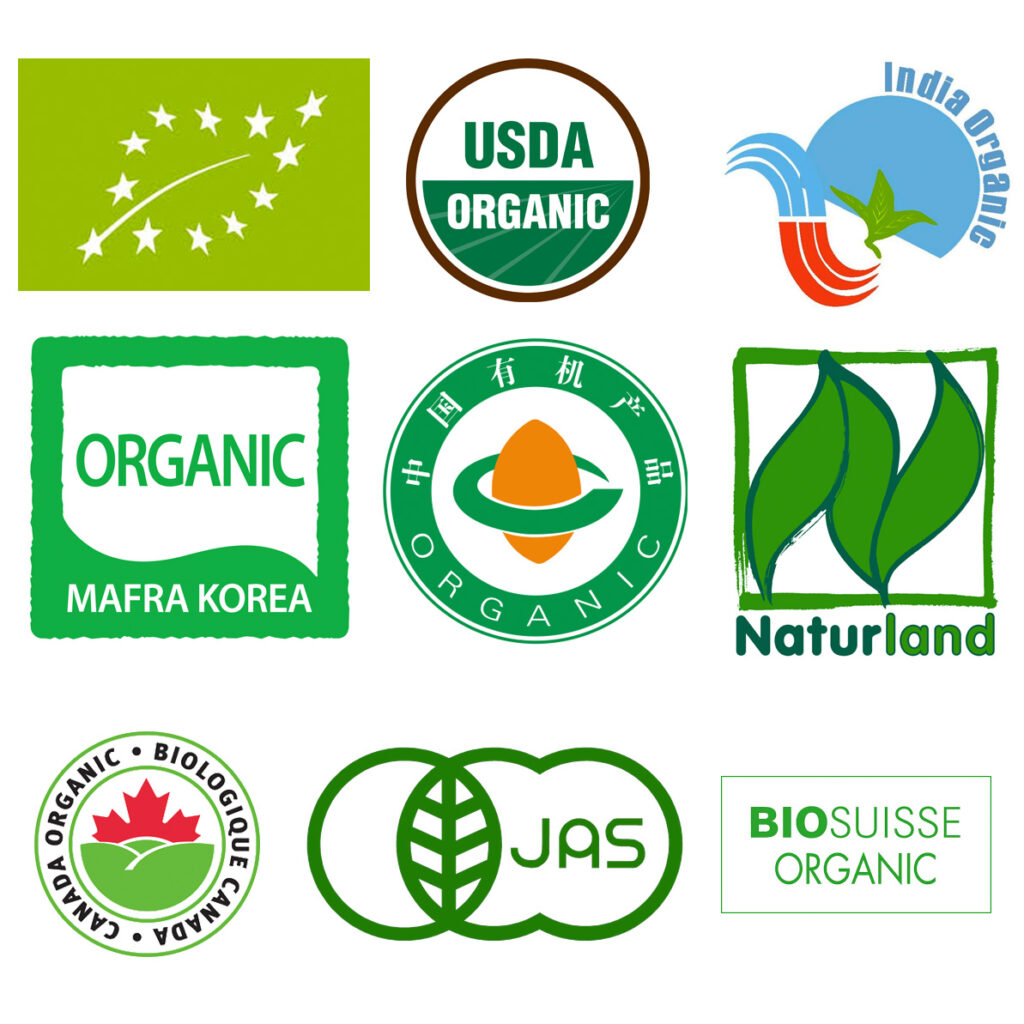
As an organic farmer, obtaining certification can be a daunting task. With numerous regulations and guidelines to follow, it’s easy to feel overwhelmed. But don’t worry, we’re here to break it down for you. In this article, we’ll explore the process of getting organic certification, what products are allowed, and how to navigate the complex web of regulations.
Understanding Organic Certification
Organic certification is a voluntary process that ensures your farm meets certain standards for sustainability and environmental stewardship. It’s not mandatory, but it can be a game-changer for farmers looking to differentiate their products and connect with consumers who value eco-friendly practices.
What Are the Requirements?
To get certified, you’ll need to meet specific requirements set by national and EU regulations. These include:
- Product use: You must only use approved organic products in your farming practices.
- Pesticide use: The use of synthetic pesticides is strictly prohibited. Instead, you’ll need to opt for natural alternatives or integrated pest management (IPM) methods.
- Record keeping: Accurate records of your farming practices, including crop rotation, soil testing, and pest control measures, are essential.
Regulatory Framework
The regulatory framework governing organic certification in Italy is complex and multifaceted. The main laws and directives include:
- DG 150/2012: This directive sets the stage for organic farming in Italy.
- Regulation n. 834/2007: This regulation provides a framework for the EU’s Common Agricultural Policy (CAP) and includes provisions for organic farming.
- Regulation n. 889/2008: This regulation focuses on animal welfare and environmental protection, both critical components of organic farming.
Certification Process
The certification process typically involves:
- Initial application: You’ll need to submit an application to the relevant certification body (e.g., IBR or EU-IBR).
- Inspection and evaluation: A team of experts will visit your farm to assess your compliance with regulations.
- Certification audit: If you pass the initial inspection, you’ll be required to undergo a certification audit, which involves a more thorough examination of your farming practices.
Approved Products
Not all products are created equal when it comes to organic certification. Here are some approved products for use in organic farming:
- Organic seeds
- Compost and manure
- Natural pest control agents (e.g., neem oil, diatomaceous earth)
- Integrated pest management (IPM) methods
Tips and Tricks
Getting certified can be a challenge, but with the right guidance, you’ll be on your way to success. Here are some additional tips:
- Keep accurate records: This will help you track your progress and demonstrate compliance during inspections.
- Consult with experts: Reach out to local organizations or certification bodies for advice on navigating the regulatory framework.
Organic Farming in Italy: A Unique Perspective
Italy is known for its rich agricultural heritage, and organic farming is no exception. The country has a long history of producing high-quality organic products, and many farmers are now embracing this approach as a way to improve their environmental impact and connect with consumers who value eco-friendly practices.
Benefits of Organic Farming in Italy
Organic farming offers numerous benefits for Italian farmers, including:
- Environmental protection: By avoiding synthetic pesticides and fertilizers, organic farmers can reduce their environmental footprint and promote sustainable agricultural practices.
- Increased profitability: Organic products often command a premium price in the market, making it possible for farmers to increase their profits while still maintaining high-quality standards.
- Improved animal welfare: Organic farming practices prioritize animal health and well-being, which is essential for producing high-quality organic products.
Challenges Facing Organic Farmers in Italy
While there are many benefits to organic farming in Italy, there are also some challenges that farmers need to contend with. These include:
- Regulatory complexity: The regulatory framework governing organic certification in Italy can be complex and confusing, making it difficult for farmers to navigate the process.
- Market competition: Organic products often face stiff competition from conventional produce, which can make it challenging for farmers to establish themselves in the market.
- Access to funding: Some Italian farmers may struggle to access funding or resources needed to support their organic farming operations.
Conclusion
Organic certification is a valuable asset for farmers looking to establish themselves as leaders in sustainable agriculture. By understanding the requirements, regulations, and approved products, you’ll be well-equipped to navigate the complex process of getting certified. Don’t let fear hold you back – take the first step towards becoming an organic farmer today!
Frequently Asked Questions
- What is organic certification?
- Organic certification ensures that your farm meets certain standards for sustainability and environmental stewardship.
- Which products are allowed in organic farming?
- Approved products include organic seeds, compost, natural pest control agents, and integrated pest management (IPM) methods.
- How do I get certified?
- The certification process typically involves an initial application, inspection and evaluation, and a certification audit.
- What is the regulatory framework for organic farming in Italy?
- The main laws and directives include DG 150/2012, Regulation n. 834/2007, and Regulation n. 889/2008.
- How do I keep accurate records during the certification process?
- Keeping accurate records will help you track your progress and demonstrate compliance during inspections.
- Can I use synthetic pesticides in organic farming?
- No, the use of synthetic pesticides is strictly prohibited in organic farming.
- How can I find more information on organic certification in Italy?
- Reach out to local organizations or certification bodies for advice and guidance.
By understanding these concepts and taking the necessary steps, you’ll be well on your way to obtaining organic certification and becoming a leader in sustainable agriculture.


