
Introduction
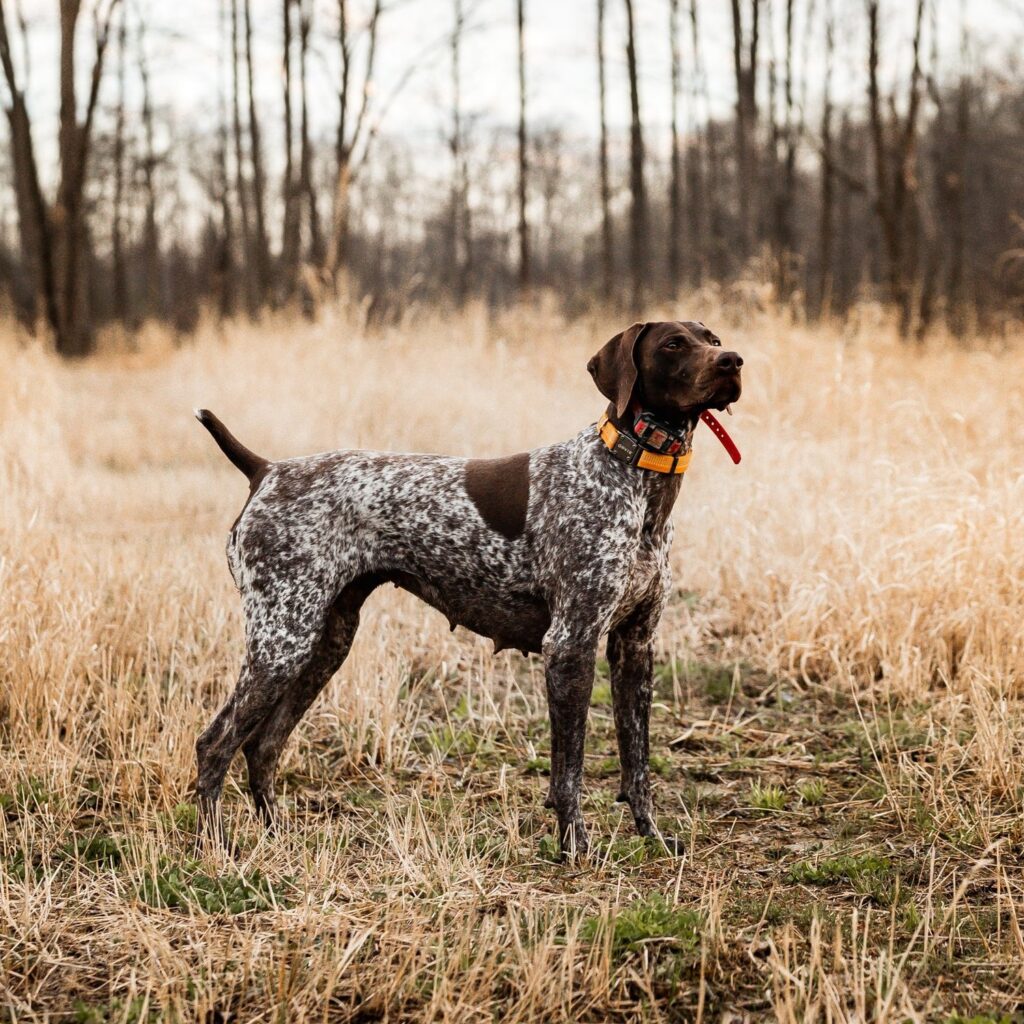
Meet the German Shorthaired Pointer, a breed that has been making waves in the canine world for centuries. Originating from Germany, this breed is known for its impressive physical abilities, noble appearance, and loyal temperament. In this article, we’ll delve into the history of the German Shorthaired Pointer, explore its characteristics, and discuss what makes it an ideal companion for active families.
A Breed Defined by Its Name
The German Shorthaired Pointer is proud to bear its name, which reflects its German heritage. As a member of the Pointer breed group, this dog has evolved into a medium-sized canine with a distinctive appearance that sets it apart from other breeds.
Physical Characteristics
Height and Build
Standing at an impressive 66 cm (26 inches) tall at the shoulder, the German Shorthaired Pointer boasts a muscular yet lean physique. Its chest is deep but proportionate to its body, while its back should be neither too long nor too short. The belly, on the other hand, should be slightly prominent.
Head and Ears
The breed’s head is dry-skinned and well-shaped, with a strong, long muzzle that ends in a slightly prominent nose. Its ears are elongated, wide at the base, and neither too thick nor too thin. Dark brown eyes, medium in size, are neither protruding nor sunken.
Coat and Color
The German Shorthaired Pointer’s coat is always short and hard, making it suitable for outdoor living but less soft to pet. The area around the ears and head has shorter fur than other areas like the lower part of the tail. The breed standard allows for various colorations, including solid brown, brown-and-white patterns with patches on the chest and legs, and reddish-brown examples.
Tail
The tail starts thick at the base and is medium in length, providing balance to the dog’s overall appearance.
Temperament
This breed is highly valued for its beauty and athletic abilities. To keep it in top condition, regular exercise and mental stimulation are essential. The German Shorthaired Pointer loves freedom and open spaces, preferably green areas.
Intelligence and Loyalty
With an extraordinary sense of smell and spirit, this breed is also known for its good heart and loyal character. It strongly bonds with its owner, adapts to any climate, and shows obedience without being submissive but rather because it’s highly intelligent.
A Rich History
The German Shorthaired Pointer’s ancestors date back to the 17th century in Prussia, where early crossings between Spanish Pointers and elegant French-Italian Bracco dogs took place. There is speculation that the breed may also have a bit of Bloodhound or Belgian Pointer ancestry.
Early Work Trials
The first puppies with the characteristic appearance we know today were born after 1895, when the breed’s characteristics had stabilized after initial work trials. Today, this breed is widely known in Italy as Kurzhaar, beloved in Germany, and throughout Europe.
Breeding Programs
In Italy alone, there are nearly a hundred breeding programs for the German Shorthaired Pointer, according to the ENCI website. The regions with the most breedings are Lombardy and Emilia-Romagna.
Importance of Bloodlines
When selecting a breeding program or puppy, it’s essential to consider the bloodline’s quality and reputation. Some top-tier bloodlines can make all the difference in terms of the dog’s overall health, athleticism, and temperament.
Genetic Testing
Many reputable breeders now conduct genetic testing on their dogs to identify potential health issues and ensure that they’re producing healthy puppies. This testing is crucial for maintaining the breed’s integrity and preventing inherited diseases.
Health Considerations
As with any breed, the German Shorthaired Pointer can be prone to certain health issues, including:
- Hip dysplasia
- Eye problems (e.g., cataracts, progressive retinal atrophy)
- Allergies
- Autoimmune disorders
Regular veterinary check-ups and a balanced diet can help minimize these risks.
Training and Socialization
To ensure the German Shorthaired Pointer grows into a well-rounded dog, proper training and socialization are essential from an early age. Positive reinforcement techniques and consistent training will help your puppy develop good habits and strengthen your bond with them.
Housebreaking
German Shorthaired Pointers can be challenging to housebreak due to their independent nature. Consistency, patience, and positive reinforcement are key to successful potty training.
Conclusion
The German Shorthaired Pointer is a truly magnificent breed that has captured the hearts of many dog enthusiasts. With its impressive physical abilities, noble appearance, and loyal temperament, it’s no wonder why this breed remains a popular choice for active families.
Frequently Asked Questions
Q: What is the origin of the German Shorthaired Pointer?
A: The breed originated in Germany and belongs to the Pointer breed group.
Q: How tall does the German Shorthaired Pointer stand?
A: On average, the German Shorthaired Pointer stands 66 cm (26 inches) tall at the shoulder.
Q: What is the breed’s typical coat length?
A: The German Shorthaired Pointer has a short and hard coat that requires minimal grooming.
Q: Is the German Shorthaired Pointer suitable for families with small children?
A: Yes, this breed is excellent with children due to its loyal and patient nature.
Q: How much exercise does the German Shorthaired Pointer require?
A: This breed needs regular exercise and mental stimulation to stay happy and healthy.
Q: Can the German Shorthaired Pointer adapt to urban living?
A: Yes, despite its love for green spaces, this breed can thrive in urban environments with proper care and attention.
Q: What is the most common coloration of the German Shorthaired Pointer?
A: The breed standard allows for various colorations, including solid brown, brown-and-white patterns, and reddish-brown examples.
Q: How long does the average German Shorthaired Pointer live?
A: With proper care and attention, this breed can live up to 12-14 years on average.


