
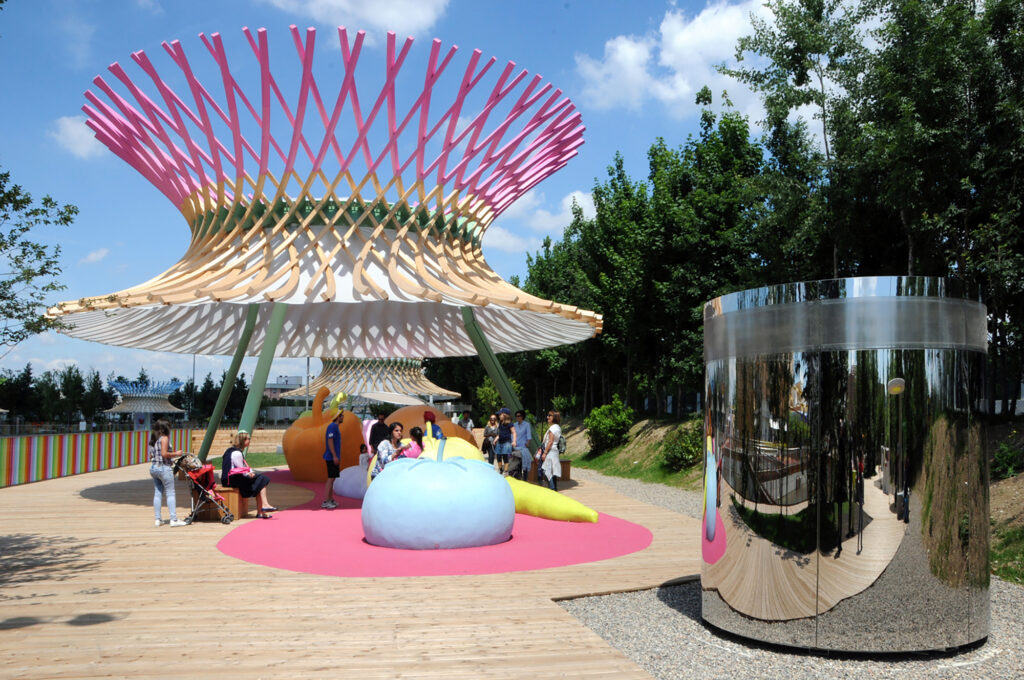
In the Expo Milano 2015 site, you’ll find a unique opportunity for play and knowledge that will offer relaxation and entertainment to all visitors. The Children Park is designed to educate children on healthy lifestyles, environmentally friendly practices, and nutritious habits while providing fun and interactive experiences.
A Pedagogical Approach like No Other
Reggio Emilia, Italy has played a significant role in shaping the world’s educational systems. The “Reggio Emilia Approach” is a highly regarded and widely applied pedagogical method that has been adopted globally, from China to the United States. Expo 2015 S.p.A. recognized Reggio Emilia’s expertise and partnered with the City of Reggio Emilia’s Education Schools and Nido di Infanzia institutions.
This collaboration will focus on high-end educational approaches, advanced pedagogical systems, communication skills, and design competencies. The experience of Reggio Emilia will support Expo Milano 2015 during international events, conferences, and family-related activities.
The City of Reggio Emilia’s Education Schools and Nido di Infanzia institutions will benefit from the global network of experts and researchers. Visitors expect more than just a traditional educational experience; they’re eager to engage with cutting-edge initiatives that address pressing issues like food security and resource availability.
A Collaborative Effort
The statement from Expo 2015 highlights the potential of Children Park: “Thanks to the discoveries and adventures within the park, future generations will become more aware of the significant challenges related to nutrition and resource accessibility that humanity is facing.”
At Children Park, children will be treated as special visitors, actively participating in discussions on pressing global issues. They’ll explore a ludico-didactic dimension composed of 10 exhibits linked by a common thread: food. One exhibit stands out – Labifrutti, a maze where participants must navigate using their knowledge and recognition of fruits and flavors.
Exhibit Highlights
- Labifrutti: An interactive maze that tests children’s knowledge of fruits, flavors, and textures.
- Green Planet: A hands-on area where kids can learn about sustainable agriculture and the importance of protecting our planet’s resources.
- Nutrition Nation: A display showcasing various food groups, their benefits, and how they contribute to a balanced diet.
- Food for Thought: An exhibit exploring the connection between culture, tradition, and nutrition through stories from around the world.
The Role of Food in Education
Food plays a vital role in Children Park’s educational offerings, as it serves as a common thread connecting topics such as nutrition, sustainability, and cultural exchange. The park aims to foster an appreciation for diverse culinary traditions while promoting healthy eating habits.
By engaging children with interactive exhibits and activities, the park encourages them to develop essential skills like critical thinking, problem-solving, and communication. These skills will benefit them throughout their lives, enabling them to navigate complex global issues and make informed decisions about their health, environment, and community.
Innovative Educational Tools
To support its educational objectives, Children Park incorporates innovative tools and technologies that enhance the learning experience for children and parents alike. Some of these tools include:
- Digital platforms: Interactive apps and websites providing additional resources, quizzes, and games to reinforce learning concepts.
- Virtual reality experiences: Immersive VR environments allowing visitors to explore real-world scenarios related to sustainable agriculture, nutrition, and environmental conservation.
- Gamification: Points-based systems and rewards encouraging children to participate in educational activities, promoting healthy behaviors and sustainable practices.
Aiming for Sustainability
Children Park is committed to achieving sustainability through its design, operations, and partnerships. Some of the measures taken include:
- Energy efficiency: Incorporating solar panels, LED lighting, and energy-efficient equipment to minimize carbon emissions.
- Water conservation: Implementing rainwater harvesting systems and greywater reuse to reduce water consumption.
- Sustainable materials: Using recycled and biodegradable materials in construction and exhibit design.
Conclusion
The Children Park project represents a unique opportunity for education and entertainment at Expo Milano 2015. By leveraging Reggio Emilia’s expertise in pedagogy and collaboration with international experts, the project aims to empower future generations with essential skills and knowledge.
Through its engaging exhibits and activities, Children Park encourages children to develop critical thinking, problem-solving, and communication skills while promoting healthy lifestyles, environmental sustainability, and cultural exchange. As a model for innovative education, the park sets an example for future generations of leaders, innovators, and changemakers.
Frequently Asked Questions (FAQs)
Q: What inspired the Children Park concept?
A: The Children Park is based on Reggio Emilia’s renowned educational approach, which emphasizes interactive learning experiences for children.
Q: How will the park engage young visitors in discussions about global issues?
A: At the park, children will participate in experiential learning activities that promote awareness and understanding of pressing issues like food security and resource availability.
Q: What specific skills and knowledge can be gained through this project?
A: By participating in Children Park’s exhibits and activities, visitors will acquire essential skills in nutrition, environmental sustainability, and communication.
Q: How does the park’s design contribute to its educational value?
A: The park’s layout features a range of interactive exhibits, including Labifrutti, which encourages children to learn through exploration and discovery.
Q: What is the significance of Reggio Emilia’s partnership with Expo Milano 2015?
A: This collaboration brings together two institutions renowned for their commitment to education and sustainability, fostering a global exchange of ideas and expertise.
Q: How will Children Park ensure inclusivity and accessibility for all visitors?
A: The park is designed to be accessible and inclusive, providing opportunities for children of diverse abilities to engage with the exhibits and activities.
Q: What role does food play in the park’s educational offerings?
A: Food serves as a common thread throughout the park, connecting topics such as nutrition, sustainability, and cultural exchange.
Q: How can Children Park contribute to global education initiatives?
A: By sharing its approach and expertise, Children Park aims to inspire similar projects worldwide, promoting collaborative learning experiences that address pressing global challenges.


