
The Fin Whale: Weight and What it Eats
Fin whales, a species that has been hunted for decades due to its generous and useful fat, are now a protected species that still needs to be monitored. Despite being known and loved, not by law but out of respect and affection for those who share the sea and sky with us.
What does the fin whale eat?
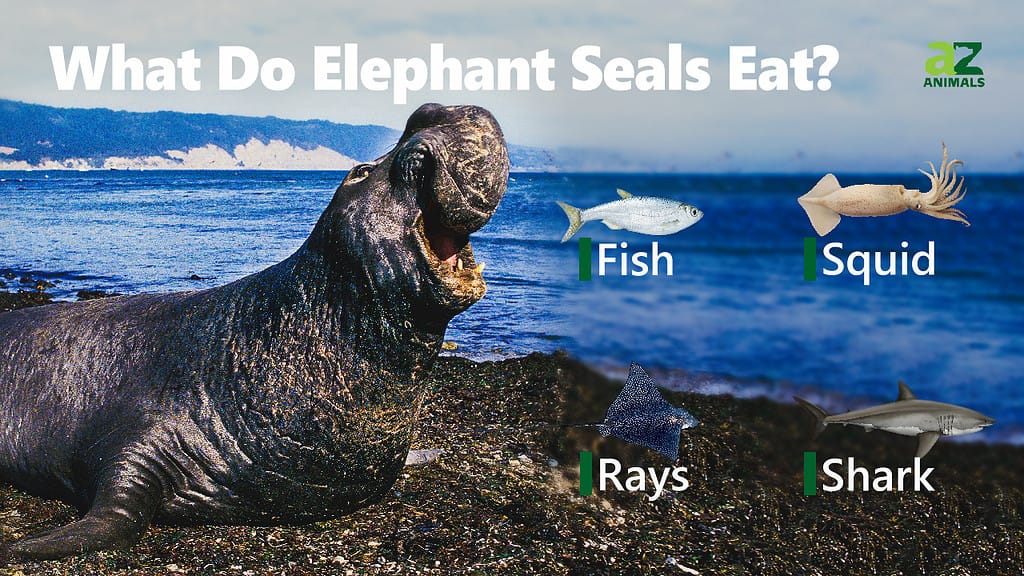
Fin whales feed on over 30 different fish and cephalopod species. Their favorite ingredients are squid, octopus, squidfish, chimera, and even a few small sharks, which they catch in large quantities while submerged at great depths. This feeding behavior is unique among all cetaceans, as fin whales are known to hunt and eat larger prey than other whales.
Hunting behavior
Fin whales hunt at night, often using their exceptional low-light vision to detect and track their prey. They have been observed diving to depths of over 2 kilometers in search of food, making them one of the deepest-diving mammals on the planet. Their feeding grounds are typically located near upwellings or areas with high productivity, where large amounts of food are concentrated.
The fin whale’s feeding behavior is also characterized by a unique strategy known as “ambush predation.” They will often gather in large numbers and wait for prey to swim into their midst, before attacking and devouring the unsuspecting fish and cephalopods. This behavior allows them to take advantage of the abundance of food available in certain areas, while minimizing their energy expenditure.
Food storage and adaptation
Fin whales have a unique adaptation that allows them to store large amounts of fat reserves during times of abundant food. These fat reserves can be used to sustain them during periods of scarcity or when they are not feeding. This ability is crucial for fin whales, as it allows them to survive in areas with limited food availability.
In the winter months, when food is scarce, fin whales will often migrate to deeper waters where they can feed on smaller prey. They will also use their stored fat reserves to sustain themselves during these periods of scarcity. This adaptation is made possible by the unique structure of their bodies, which allows them to store large amounts of fat in their blubber layer.
Weight
It is not a coincidence that fin whales are called “whales,” a clear reference to their weight and size. Even the proboscidean is enormous, especially in males, which are used when male fin whales make “roaring” sounds during mating competitions. There is a big difference in size between males and females in this species of marine animals, males can reach up to 5 meters in length while females do not exceed 3 meters. The weight follows suit: 1800 kg for the first ones, 650 kg for the second.
Characteristics
Describing a fin whale is much more difficult than showing one on photo, as we are doing now, better using words to tell about their most original characteristic. The “catastrophic transformation” they undergo is a real transformation that lasts up to a month: these animals “shed” their skin and fur. It makes more impact saying it than seeing it, especially since there is a reason for it: this transformation serves to preserve body heat until the new fur grows back. In the meantime, fin whales are on shore.
This process is known as molting, and it is essential for the survival of fin whales. During molting, their old skin and blubber layer are shed, revealing a new, shiny coat underneath. This process allows them to conserve energy and water, while also protecting themselves from predators.
Northern and Southern Fin Whales
It’s often heard more about the northern fin whale than the southern one, but in reality, there are two species of them. The most popular (the northern one) is called Mirounga angustirostris, and it’s smaller on average. Both belong to the Phocidae family, “true seals.”
The southern fin whale, on the other hand, is called Mirounga leonina, and it is larger than its northern counterpart. Despite their differences in size, both species are closely related and share many similarities in their behavior and ecology.
Mating
A male fin whale when it comes mating season starts worrying about how to sign and especially defend its territory. This leads to true fights that can be violent and bloody or just with loud roaring but without physical gestures. The goal of the male is to create a species of 40-50 female harem.
When the couple has created itself, after 11 months, the calf will be born, usually in full winter. Fin whales are generally one-off offspring, they’re alloted for a month and then weaned. This unique reproductive strategy allows fin whales to maintain control over their populations and ensure that only healthy individuals mate.
Conservation status
Fin whales are listed as endangered on the IUCN Red List, due to centuries of hunting and habitat degradation. However, in recent years, conservation efforts have been made to protect this species. The International Whaling Commission (IWC) has implemented regulations to limit whaling, and fin whale populations are slowly recovering.
Despite these efforts, fin whales still face many threats, including ship strikes, entanglement in fishing gear, and noise pollution from human activities. Ongoing research and monitoring are essential for understanding the impacts of human activities on fin whale populations and developing effective conservation strategies to protect them.
Conclusion
Fin whales are majestic creatures that continue to fascinate us with their size, intelligence, and unique behavior. Their feeding habits, which involve catching large prey in deep waters, make them one of the most interesting species in the ocean. By studying these amazing animals, we can gain a better understanding of their biology and ecology, as well as the impact of human activities on their populations.
As we continue to learn more about fin whales and other marine species, it is essential that we take action to protect them from the many threats they face. By supporting conservation efforts and reducing our impact on the ocean, we can help ensure the long-term survival of these incredible animals.
If you liked this article, continue to follow me also on Twitter, Facebook, Google+, Instagram
Related articles that may interest you:
World Ocean Day
Whales and minke whales: differences
Extinction of the fin
Marine orcas in the Mediterranean
Super sponge that absorbs oil and plastic bio


