
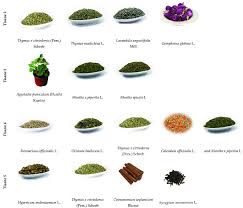
As we navigate the complexities of modern life, it’s easy to overlook the incredible world of medicinal plants. These ancient allies have been used for centuries to heal, protect, and promote well-being, offering a wealth of benefits that can’t be replicated by synthetic alternatives.
What are Medicinal Plants?
Medicinal plants, also known as officinal plants, are species cultivated for their therapeutic properties. They’re not just limited to food or flavor; these plants have been harnessed for their potent principles active compounds (PACs) that can positively impact human health. From skincare to stress relief, the potential applications of medicinal plants are vast and varied.
The Principles Active Compounds (PACs)
The PACs found in medicinal plants are contained within their various organs – leaves, roots, flowers, seeds, and more. These compounds have a profound effect on our bodies, making them an essential component of natural therapies. The key difference between medicinal plants and food crops lies in the purpose of cultivation: medicinal plants are grown primarily for their therapeutic value.
The Difference between Medicinal Plants and Food Crops
While both types of plants provide sustenance, they serve distinct purposes. Food crops prioritize nutritional benefits, offering carbohydrates, proteins, fats, vitamins, and minerals. In contrast, medicinal plants focus on their secondary effects – compounds that influence our physiology in specific ways. These “active” substances can promote balance, stimulate growth, or even counteract negative effects.
The Potential Dangers of Medicinal Plants
While many medicinal plants offer significant benefits, some can be toxic if not used correctly. It’s essential to recognize that these plants contain bioactive compounds that should only be utilized under the guidance of a qualified healthcare professional. The key is understanding the risks and taking steps to mitigate them.
The Wonders of Medicinal Plants: A Summary
Medicinal plants are a treasure trove of natural remedies, offering a diverse range of applications from skincare to stress relief. By harnessing their potent PACs, we can unlock nature’s secrets and promote overall well-being. With the rise of alternative therapies, it’s essential to explore this fascinating world and understand its potential benefits.
History of Medicinal Plants
The use of medicinal plants dates back thousands of years, with ancient civilizations recognizing their therapeutic properties. From traditional Chinese medicine to Ayurvedic practices, these plants have been a cornerstone of holistic health for centuries. As modern medicine evolved, the importance of medicinal plants was often overlooked in favor of synthetic alternatives.
Modern Applications of Medicinal Plants
However, the tide is shifting as people begin to recognize the value of natural remedies. From skincare routines to stress-relief techniques, medicinal plants are being rediscovered as a means to promote overall well-being. The rise of the wellness industry has fueled interest in these ancient allies, with companies and individuals seeking out sustainable, eco-friendly alternatives.
Benefits of Medicinal Plants
The benefits of medicinal plants are numerous and varied. Some of the most significant advantages include:
- Natural remedies: Medicinal plants offer a natural alternative to synthetic medications, reducing the risk of adverse reactions.
- Holistic approach: These plants can be used in conjunction with traditional therapies, promoting balance and well-being on all levels.
- Sustainable practices: By harnessing medicinal plant extracts, we can reduce our reliance on industrial agriculture and promote sustainable practices.
Common Medicinal Plants
Some of the most commonly used medicinal plants include:
- Turmeric: Known for its anti-inflammatory properties, turmeric is often used in skincare routines to reduce redness and inflammation.
- Ginger: This root vegetable has been used for centuries to soothe digestive issues and promote relaxation.
- Aloe vera: Aloe vera gel is a popular remedy for skin irritations and burns, promoting healing and hydration.
Growing Medicinal Plants
With the rise of interest in medicinal plants, more people are turning to home cultivation as a means to access these natural remedies. Some tips for growing your own medicinal plants include:
- Choose varieties: Select plant species that are suitable for your climate and growing conditions.
- Provide optimal care: Ensure your plants receive sufficient light, water, and nutrients to thrive.
- Harvest responsibly: Only harvest what you need, leaving enough for other users and the environment.
Regulatory Agencies
While medicinal plants offer numerous benefits, it’s essential to recognize the importance of regulation. Organizations like the World Health Organization (WHO) and national health authorities establish guidelines for safe use and regulation of these plants.
Incorporating Medicinal Plants into Your Life
If you’re interested in exploring the world of medicinal plants, here are some ways to get started:
- Consult with a healthcare professional: Before using any medicinal plant, consult with a qualified healthcare professional to ensure safe use.
- Explore natural therapies: Consider incorporating herbal remedies or skincare routines that incorporate medicinal plants into your daily life.
- Join online communities: Connect with others who share your interest in medicinal plants through online forums and social media groups.
Conclusion
Medicinal plants are a treasure trove of natural remedies, offering a diverse range of applications from skincare to stress relief. By harnessing their potent PACs, we can unlock nature’s secrets and promote overall well-being. As the wellness industry continues to evolve, it’s essential to recognize the potential benefits and risks associated with medicinal plants.


