
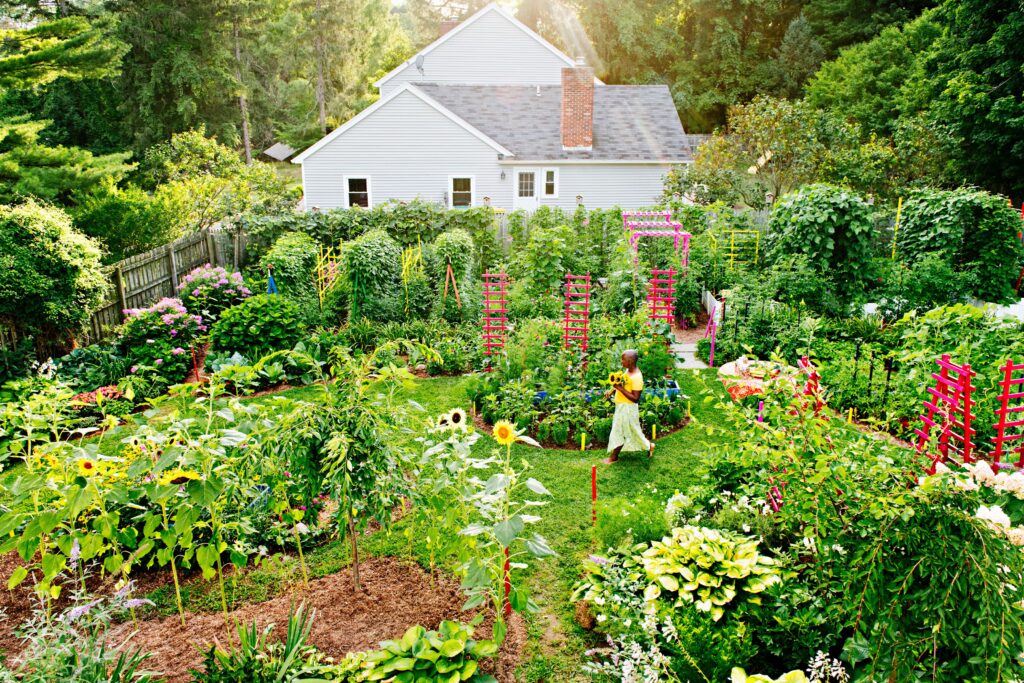
As we gaze out at our gardens, we often find ourselves battling against weeds, pests, and diseases. We reach for pruning shears, herbicides, and other chemicals, hoping to restore balance to our outdoor spaces. However, nature has a different plan in mind. Permaculture, an holistic approach to agriculture, shows us that everything can work together in harmony – without the need for harsh chemicals or machinery.
What is Permaculture?
Permaculture, introduced by Austrian farmer Sepp Holzer and later perfected by Australian Bill Mollison and David Holmgren, is a long-term, ecologically oriented approach to agriculture. It’s all about working with nature, not against it. By understanding planetary balances and the intricate relationships between animals, plants, and microorganisms, we can create thriving ecosystems that require minimal maintenance.
The Power of Associations
One of the key principles of permaculture is associations – the idea of pairing plants together to achieve mutual benefits. By combining herbs, flowers, vegetables, and fruits in a layered system, you can create a diverse and resilient garden. For example, planting fruit trees with cabbages, garlic, and wild garlic at their feet can lead to a mutually beneficial relationship between the trees and the soil.
The Importance of Insects
Insects are often viewed as pests, but they play a vital role in our gardens. By attracting beneficial insects like bees, ladybugs, and lacewings, you can create a balanced ecosystem that requires minimal intervention. In fact, some plants, like Bidens alba, specifically attract bees to help with pollination.
Weeds: Not Just a Nuisance
Weeds are often seen as pests, but they have their own unique benefits. Plants like Consolida (Symphytum officinale), comfrey, and taraxacum not only attract beneficial insects but also provide medicinal properties, food for wildlife, or even help with nutrient cycling.
Animal Allies
In permaculture gardens, animals can be valuable allies in maintaining ecosystem balance. Ducks, for example, are natural fertilizers and slugs controllers, while microorganisms like mycelium help break down organic waste.
Practical Applications
So, how can you start a permaculture project in your garden? Here are some practical tips to get you started:
- Layering: Create a layered system by combining herbs, flowers, vegetables, and fruits.
- Associations: Pair plants together to achieve mutual benefits.
- Insect-friendly: Attract beneficial insects like bees, ladybugs, and lacewings.
- Weed management: View weeds as valuable resources, not just pests.
Recommended Reading
If you’re eager to dive deeper into permaculture, check out these recommended books:
- “Permaculture for Gardens and Gardens: Experiences and Practical Suggestions for Reaching Self-Sufficiency in a Small Piece of Land”: A practical guide for those with small plots of land.
- “Introduction to Permaculture: Covers More Topics, More Comprehensive, Permaculture at 360°”: A comprehensive guide for gardeners of all sizes.
Conclusion
Permaculture is more than just a gardening approach – it’s a way of life. By working with nature, not against it, we can create thriving ecosystems that require minimal maintenance. With its focus on associations, insects, and animal allies, permaculture offers a holistic approach to agriculture that’s perfect for gardeners of all sizes.
Frequently Asked Questions
- What is the main difference between permaculture and other gardening approaches?
Permaculture focuses on working with nature, not against it, whereas other approaches often rely on chemicals or machinery. - How do I start a permaculture project in my garden?
Begin by layering plants together, pairing them to achieve mutual benefits, and attracting beneficial insects like bees and ladybugs. - Can I use chemical pesticides in a permaculture garden?
No, as permaculture emphasizes natural methods for controlling pests and diseases. - How do I handle weeds in a permaculture garden?
View weeds as valuable resources, not just pests, and consider incorporating them into your garden design. - Can I use animals like ducks or chickens in my permaculture garden?
Yes, animals can be valuable allies in maintaining ecosystem balance – but ensure they don’t harm the plants or microorganisms. - What is the role of insects in a permaculture garden?
Insects play a vital role in pollination, pest control, and nutrient cycling, making them essential for a thriving permaculture garden. - Can I use mycelium to break down organic waste in my permaculture garden?
Yes, microorganisms like mycelium help break down organic waste, reducing the need for chemical fertilizers or pesticides.
By embracing permaculture principles and working with nature, you can create a self-sustaining oasis that’s perfect for gardeners of all sizes.


