
Introduction
Red goldfish, also known as Carassius auratus, are one of the most popular and recognizable freshwater fish species worldwide. With their stunning variety of colors and captivating behavior, it’s no wonder why they’re a favorite among aquarium enthusiasts. In this article, we’ll delve into the fascinating world of red goldfish, covering their history, types, care, behavior, reproduction, and more.
History and Origin
The domestication of red goldfish dates back over 1,000 years in Asia, where breeders selectively chose individuals with desirable traits like coloration. The practice spread to other parts of the world, including Japan and Korea, resulting in the development of unique varieties. Today, red goldfish are enjoyed by aquarium hobbyists worldwide.
Types of Red Goldfish
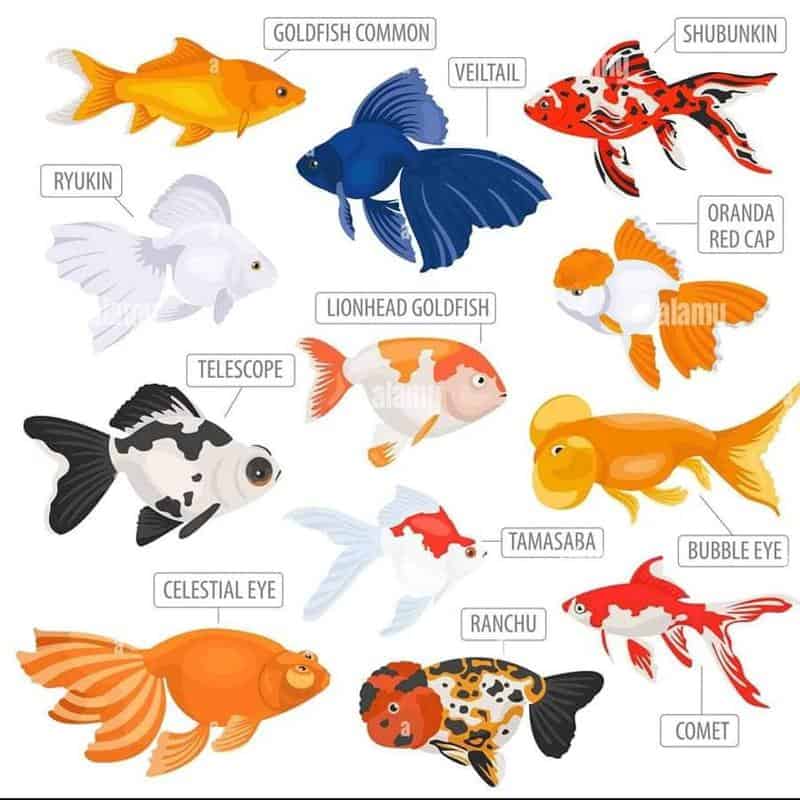
Red goldfish come in a range of shapes, sizes, and colors, each with distinct characteristics. Some of the most popular breeds include:
- Cometa: Recognizable for their long, flowing fins and striking color patterns.
- Shubunkin: Known for their distinctive calico coloring and frayed caudal fin.
- Oranda: Famous for their elaborate “wen” or “hood” on their heads.
- Ryukin: Characterized by their distinctive dorsal fin and metallic scales.
Anatomy and Characteristics
Red goldfish have several distinct anatomical features that set them apart from other fish. These include:
- Morphology: Red goldfish have a laterally compressed body, with varying lengths and shapes depending on the breed.
- Coloration: Their coloration ranges from red to orange, yellow, white, and black, often with intricate patterns.
- Fins: Each type of fin serves a specific purpose, including stability, propulsion, and maneuverability.
Care and Maintenance
Proper care is essential for the health and well-being of your red goldfish. This includes:
- Diet: A balanced diet that meets their nutritional needs, with plenty of protein-rich foods.
- Environment: A spacious aquarium with stable water parameters, regular water changes, and proper filtration.
- Health checks: Regular monitoring for signs of illness or stress.
Behavior and Socialization
Red goldfish are social creatures that thrive in the presence of other fish. They’re known to:
- Form hierarchies: Establish a pecking order within their group.
- Interact with environment: Use their fins to navigate and explore their surroundings.
Reproduction and Breeding
Red goldfish reproduce through external fertilization, with males developing tubercles on their dorsal fin to stimulate courtship. Females become more rounded during this process.
Impact on the Environment and Conservation
Introducing non-native species can have devastating effects on local ecosystems. It’s essential to:
- Avoid releasing: Never release red goldfish into the wild, as they can outcompete native species for resources.
- Practice responsible ownership: Consider the long-term commitment required to care for these animals.
Curiosities and Records
Red goldfish are capable of surprising us with their abilities. Some interesting facts include:
- Record-breaking size: The Guinness World Record holder is a 47 cm-long fish named “Goldie.”
- Memory: Red goldfish can remember events and colors for months.
- Training: They can be trained to recognize colors and perform simple tricks.
Health Issues
Red goldfish are susceptible to various health issues, including:
- Fin rot: A bacterial infection that causes damage to the fins.
- Diseases: Such as salmonella and vibrio bacteria, which can lead to secondary infections.
- Parasites: Such as copepods and bloodworms.
Tips for Healthier Red Goldfish
To minimize the risk of health issues:
- Perform regular water changes: To maintain optimal water quality.
- Monitor temperature: Ensure it remains within a safe range (65-75°F).
- Provide hiding places: Offer plants, rocks, and other decorations to reduce stress.
Conclusion
Red goldfish are fascinating creatures that capture the hearts of many aquarium enthusiasts. By understanding their history, types, care, behavior, reproduction, and impact on the environment, we can better appreciate these remarkable animals. With proper care and attention, red goldfish can thrive in captivity and bring joy to our lives.
Additional Resources
For more information on caring for red goldfish:
- Aquarium forums: Online communities where you can ask questions and share experiences with other hobbyists.
- Fish keeping books: Comprehensive guides that cover topics such as breeding, diet, and health maintenance.
- Veterinary care: Local pet stores or aquarium experts who can provide professional advice on treating common health issues.


