
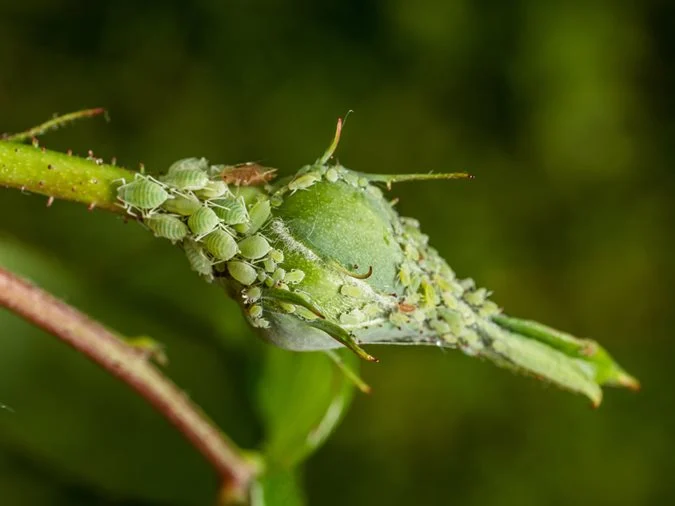
As a gardener, it’s indispensable to have effective treatments against aphids and other pests that can harm your plants. Whether you’re growing ornamental plants or vegetables, here are some natural remedies to keep those pesky insects at bay.
Understanding Aphids
Aphids are small, soft-bodied insects that feed on plant sap, causing damage to leaves and stems. They reproduce rapidly, spreading infestations quickly. In gardens, aphid populations can be controlled through various methods, including biological control, cultural practices, and chemical treatments.
Aphid infestations can lead to curled or distorted leaves, stunted growth, and reduced yields. These pests are most active in warmer weather conditions, typically between 40°F and 90°F (4°C and 32°C). Aphids can be found on a wide range of plants, including flowers, fruits, vegetables, and trees.
Biological Control: The Natural Way
One of the most effective ways to manage aphids is through biological control. Ladybugs, lacewings, and parasitic wasps are natural predators that feed on aphids, keeping their populations under control. By attracting these beneficial insects to your garden, you can reduce the need for chemical treatments.
Ladybugs, also known as lady beetles or ladybird beetles, are a popular choice for biological control. These insects feed on aphids and other soft-bodied pests, making them an effective natural remedy against aphids. Ladybugs can be attracted to gardens by planting flowers that provide nectar, such as marigolds, sunflowers, and zinnias.
Lacewings are another beneficial insect that feed on aphids and other pests. These delicate insects have a long, slender body and large compound eyes. Lacewings are attracted to gardens by the presence of aphids and other soft-bodied pests.
Parasitic wasps are also effective natural predators against aphids. These wasps lay their eggs inside aphid bodies, where the larvae feed on the aphid from the inside out. Parasitic wasps can be introduced to gardens through commercial suppliers or by attracting them naturally with the presence of aphids and other pests.
Macerato d’Ortica: A Natural Repellent
The macerato d’ortica (orchard worm compost) is a natural repellent against aphids and other pests. This compost is made from the leaves of the plantago major plant, which has been used for centuries to repel pests. The macerato d’ortica can be applied directly to plants as a foliar spray or mixed with water to create a solution.
The benefits of using macerato d’ortica include:
- Biodegradable and non-toxic
- Easy to produce at home
- Free from chemicals and pesticides
- Stimulates plant growth and strengthens natural defenses
Other Natural Remedies Against Aphids
In addition to macerato d’ortica, there are several other natural remedies that can help control aphid populations:
- Soap solution: Mix dish soap with water and spray on plants to repel aphids. The soap disrupts the insect’s exoskeleton, causing it to dehydrate and die.
- Neem oil: Use neem oil as a foliar spray to kill aphids and other pests. Neem oil is derived from the seeds of the neem tree and has been used for centuries in traditional medicine.
- Insecticidal soap: This soap is specifically designed to kill insects, including aphids. Insecticidal soap can be applied directly to plants as a foliar spray.
Using Aficid Products
If the above natural remedies fail, you can use commercial products like Confidor or Neem Oil. These products are available in various concentrations and can be used as a last resort to control aphid infestations.
Confidor is a systemic insecticide that is absorbed by plants through their roots and distributed throughout the plant’s tissues. This allows the product to reach aphids in their natural habitats, such as on leaves and stems.
Neem oil is another commercial product that can be used to control aphids. Neem oil is a derivative of the neem tree and has been shown to be effective against a wide range of pests, including aphids, whiteflies, and spider mites.
Tips for Effective Use of Aficidal Products
When using aficidal products, keep the following tips in mind:
- Always follow the instructions on the label
- Dilute the product according to the manufacturer’s recommendations
- Spray the product evenly and thoroughly on affected plants
- Reapply the product as directed to ensure long-lasting control
Prevention is Key
Preventing aphid infestations in the first place can be an effective way to manage these pests. Here are some tips for preventing aphids:
- Keep your garden clean by removing weeds and debris that can harbor aphids.
- Use physical barriers, such as row covers or fine mesh screens, to prevent aphids from reaching your plants.
- Plant aphid-repellent flowers, such as marigolds and nasturtiums, around the perimeter of your garden.
By combining these natural remedies with effective use of commercial products and preventing infestations in the first place, you can create a comprehensive pest management plan for your garden.


