
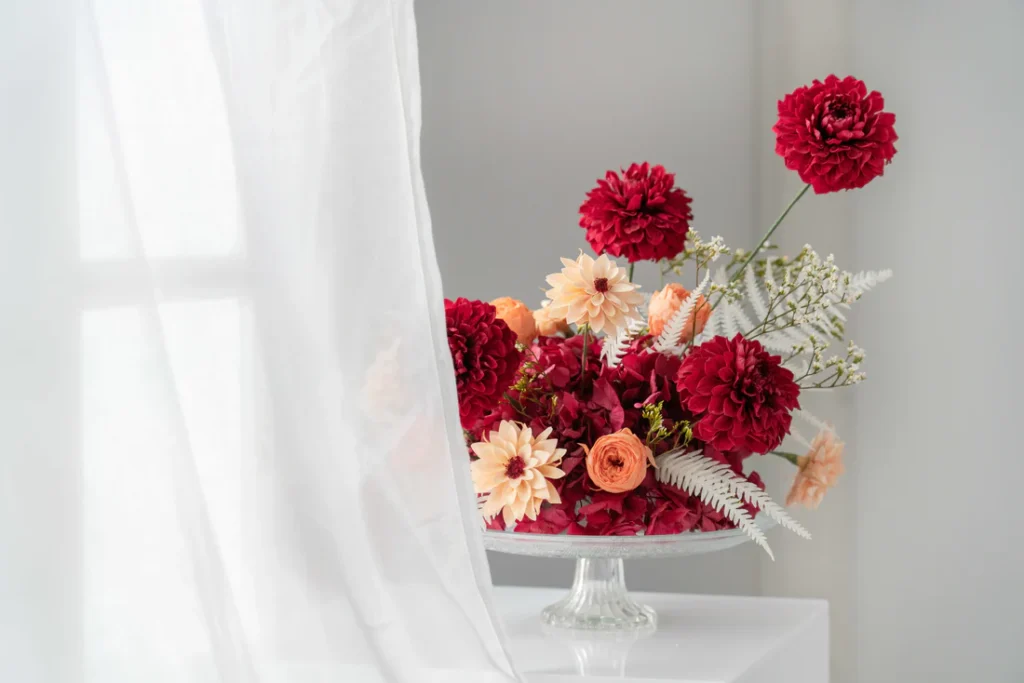
Are you tired of waiting for your favorite flowers to bloom in the spring or summer? Do you want to have a head start on the growing season and enjoy fresh cut flowers year-round? Forcing flowers out of season is a technique that involves creating artificial conditions to induce blooming, allowing you to harvest beautiful blooms even when they’re not naturally part of the local growing season. In this article, we’ll explore the basics of forcing flowers, the best types for beginners, and provide step-by-step instructions on how to get started.
What is Flower Forcing?
Flower forcing involves recreating the specific conditions that trigger blooming in a plant, such as temperature, light, and humidity. This technique can be used to induce flowering in bulbs, cuttings, or even seedlings. By controlling these conditions, you can essentially “trick” your plants into producing flowers out of season.
The Benefits of Flower Forcing
Forced flowering offers several benefits for home growers:
- Extended growing season: With forced flowering, you can enjoy fresh blooms year-round, regardless of the local climate.
- Increased flexibility: By controlling the blooming process, you can pick and choose when to harvest your flowers, allowing you to plan ahead and enjoy them at their peak freshness.
- Improved crop yields: Forced flowering can result in higher yields, as plants are more likely to produce multiple blooms per stem.
Choosing the Right Flowers for Forcing
Not all flowers can be forced out of season. The best candidates are typically those that require a period of cold stratification or have specific temperature and light requirements to trigger blooming. Some popular choices for beginners include:
- Tulips: One of the most popular bulbs for forcing, tulips are relatively easy to work with and produce stunning blooms.
- Daffodils: With their bright colors and delicate petals, daffodils make a beautiful addition to any arrangement.
- Hyacinths: These fragrant flowers come in a range of colors and are perfect for forcing in the spring or early summer.
Preparing Your Flowers for Forcing
To ensure success with forced flowering, it’s essential to prepare your plants properly. Here are some steps to follow:
- Select healthy bulbs: Choose fresh, disease-free bulbs that have been stored properly over winter.
- Prepare the potting mix: Use a well-draining potting mix specifically designed for forcing flowers.
- Create the right environment: Place your potted flowers in a cool, dark location (around 9°C/48°F) until they begin to sprout.
The Forcing Process
Once your bulbs are ready, follow these steps to force them:
- Water carefully: Water your bulbs gently but thoroughly, making sure the soil is consistently moist but not waterlogged.
- Provide adequate light: Gradually introduce your flowers to natural or artificial light, starting with low-intensity conditions and gradually increasing the brightness.
- Monitor temperature: Keep an eye on the temperature, adjusting as needed to ensure optimal growth.
Tips for Successful Forcing
To maximize your chances of success with forced flowering:
- Keep it consistent: Stick to a regular watering schedule and maintain a consistent temperature and light regime.
- Don’t overwater: Avoid overwatering, which can lead to root rot and other problems.
- Be patient: Forced flowering requires time and patience. Don’t expect immediate results – with proper care, your flowers will bloom in due time.
Common Mistakes to Avoid
To avoid common pitfalls when forcing flowers:
- Underestimating the importance of cold stratification: Make sure to provide your bulbs with a period of cold temperatures (around 5°C/40°F) before introducing them to warmer conditions.
- Overlooking humidity requirements: Some flowers, like hyacinths, require high humidity to bloom properly. Ensure your potting mix and environment are conducive to optimal moisture levels.
Conclusion
Forced flowering is a fun and rewarding technique for home growers looking to extend their growing season or simply enjoy fresh blooms year-round. By understanding the basics of forcing flowers, choosing the right varieties, and following proper care instructions, you can successfully induce blooming in even the most reluctant plants.
Frequently Asked Questions
Here are some answers to common questions about forced flowering:
- Can I force any type of flower?: Not all flowers can be forced out of season. The best candidates are typically those that require a period of cold stratification or have specific temperature and light requirements.
- How long does it take for flowers to bloom after forcing?: This depends on the variety, but most flowers will begin to bloom within 4-6 weeks after forcing.
- Can I force cuttings instead of bulbs?: Yes, some plants can be forced using cuttings. However, this technique requires more expertise and specialized knowledge.
- What are the best times of year for forcing flowers?: Spring and early summer are ideal for forcing most types of flowers.
- Can I force flowers in outdoor gardens?: While it’s technically possible to force flowers outdoors, indoor conditions provide better control over temperature, light, and humidity, making them a more reliable choice for home growers.
By following these guidelines and understanding the basics of forced flowering, you can enjoy fresh blooms year-round and take your gardening skills to the next level.


