
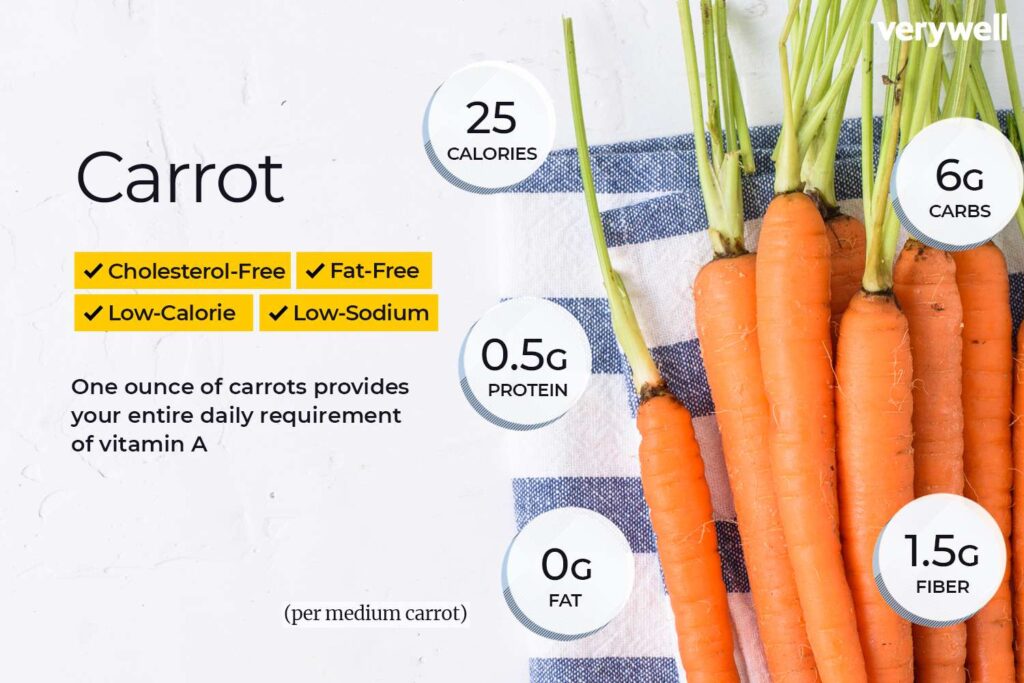
As we navigate the world of superfoods, one vegetable often gets overlooked – the humble carrot. But don’t be fooled by its unassuming appearance; this orange-hued root has been a staple in many cultures for centuries, boasting an impressive array of health benefits and a rich history that spans from ancient Egypt to modern-day nutrition.
The Calorie Conundrum: Separating Fact from Fiction
When it comes to weight management, many of us turn to low-calorie foods as a quick fix. But what about the carrot? Does it truly deserve a spot in our diet? The answer lies in its surprisingly low calorie count – a mere 35 calories per 100 grams, making it an excellent addition to any meal.
However, there’s another issue at play: the high glycemic index of carrots. This means that consuming large quantities can cause a rapid spike in blood sugar levels, leading to increased insulin production and potentially exacerbating conditions like diabetes. So, how do we balance our love for this nutritious veggie with its potential drawbacks?
The Rainbow Carrot: A Colorful Tale of Nutrition
Did you know that carrots weren’t always the bright orange color we’re familiar with today? In fact, they once belonged to a more vibrant shade of violet! It wasn’t until the 18th century that Dutch farmers selectively bred them to produce the iconic orange hue we adore.
But what about other colors? Ah, yes – there are indeed varieties of carrots in shades of yellow, red, white, and even black. Each boasts its unique set of nutrients, from beta-carotene to lutein and licopenes. So, which color should you choose?
The Intolerance Conundrum: Understanding Carrot Allergies
While most people enjoy carrots without issue, some individuals may experience an intolerance or allergic reaction. This can manifest in a range of symptoms, from mild discomfort to full-blown anaphylaxis. If you’re one of the unlucky few, it’s essential to work with your healthcare provider to develop a personalized plan.
Unlocking the Nutritional Powerhouse: Carrot Benefits Galore
So, what exactly do carrots offer beyond their low calorie count? For starters, they’re an impressive source of:
- Beta-carotene, which converts to vitamin A in the body
- Essential minerals like potassium, iron, and calcium
- Vitamins C, D, E, B2, and B6
- Lutein and other carotenoids
- Fiber
- Flavonoids
These nutrients contribute to a plethora of health benefits, including:
- Enhanced immune function
- Improved eye health
- Antioxidant properties
- Anti-inflammatory effects
- Cardiovascular support
Incorporating carrots into your diet can have a significant impact on overall well-being.
Carrots in History: A Journey Through Time
From ancient Egypt to modern-day cuisine, carrots have played a starring role in the culinary world. They were used as:
- Medicinal remedies for ailments like indigestion and insomnia
- Treatments for kidney stones
- Ingredients in traditional dishes, such as stews and salads
The Science Behind Carrot Nutrition
Carrots are classified as a type of root vegetable, belonging to the Apiaceae family. They’re composed of 87% water, making them an excellent source of hydration. The remaining 13% consists of carbohydrates, fiber, and various vitamins and minerals.
One cup of chopped carrots contains:
- 3 grams of protein
- 2 grams of fat
- 6 grams of fiber
- 200% of the daily value for vitamin A
- 20% of the daily value for vitamin K
Carrot Varieties: Exploring the Rainbow
From classic orange to vibrant purple, carrot varieties offer an exciting range of colors and flavors. Here are a few popular options:
- Nelson: A sweet, crunchy variety with a bright orange color
- Danver’s Half-Long: A heirloom variety with a deep orange hue and long, slender shape
- Atomic Red: A spicy, red-colored variety with a unique flavor profile
Growing Your Own Carrots: Tips and Tricks
If you’re looking to add some homegrown carrots to your diet, here are some tips for growing these delicious roots:
- Choose a sunny spot with well-draining soil
- Plant seeds ¼ inch deep and ¼ inch apart in rows that are 12 inches apart
- Keep the soil consistently moist during the first few weeks after planting
- Fertilize lightly, as carrots can be susceptible to over-fertilization
Carrot Health Benefits: Separating Fact from Fiction
While carrots have been touted as a superfood for decades, some claims have been exaggerated or debunked. Here’s what the science says:
- Anti-inflammatory effects: Carrots do contain anti-inflammatory compounds, but more research is needed to confirm their effectiveness.
- Cancer prevention: Some studies suggest that carrot consumption may reduce the risk of certain cancers, but results are inconclusive and more research is required.
- Digestive health: Carrots are high in fiber, which can support digestive health, but they don’t contain prebiotics or other ingredients specifically designed for gut health.
Conclusion: Unlocking the Secrets of the Carrot
As we’ve explored the many facets of this humble vegetable, it’s clear that carrots offer a wealth of nutritional benefits and surprising history. Whether you’re looking to boost your immune system or simply add some crunch to your salad, this orange-hued root is sure to impress.
Frequently Asked Questions:
- Are carrots suitable for diabetics? While they may not be the best choice due to their high glycemic index, moderate consumption can still provide benefits.
- Can I eat raw or cooked carrots? Both are acceptable, but cooking can enhance bioavailability of certain nutrients.
- How often should I consume carrots? Aim for 1-2 servings per day to reap the full benefits.
- Are carrots a good source of protein? Not significantly, but they do contain some protein and can be paired with other nutrient-dense foods for optimal nutrition.
- Can I grow my own carrots at home? Absolutely! With proper care and conditions, you can enjoy fresh, crunchy carrots right in your backyard.
- Are there any potential side effects of consuming large quantities of carrots? High glycemic index consumption may lead to blood sugar spikes; moderate consumption is key.
- Can I use carrot tops in cooking? Yes, they’re edible and packed with nutrients like vitamins A and K.
- How do I store carrots to keep them fresh for longer? Store them in a cool, dry place or refrigerate to prolong shelf life.


