
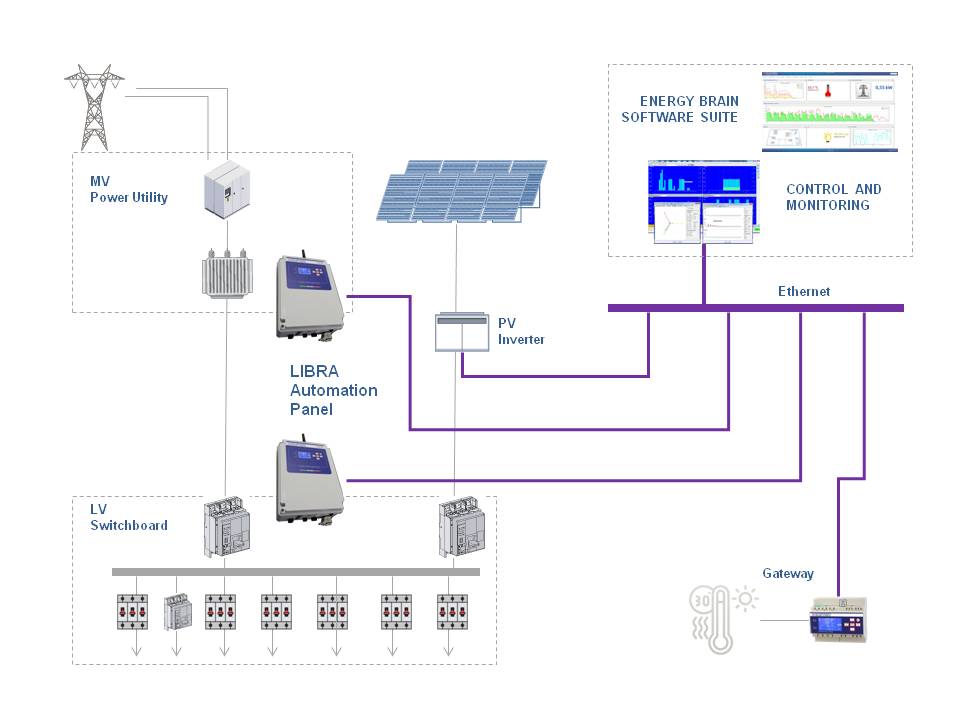
As a homeowner, you’re likely eager to maximize the energy generated by your solar panel system and reduce your carbon footprint. However, without proper monitoring, it’s easy to overlook opportunities for improvement. In this article, we’ll explore the importance of monitoring your home solar panel system and how it can help you optimize its performance.
What is Monitoring Your Home Solar Panel System?
Monitoring your home solar panel system involves tracking the energy produced by your panels and comparing it to your actual energy consumption. This data allows you to identify areas where you can make adjustments to maximize efficiency and reduce waste. By doing so, you can enjoy significant savings on your electricity bills while also contributing to a more sustainable future.
Why is Monitoring Your Home Solar Panel System Important?
Monitoring your home solar panel system is essential for several reasons:
- Maximizing Energy Efficiency: By tracking energy production and consumption, you can identify opportunities to optimize your system’s performance. This may involve adjusting the angle of your panels or optimizing your system’s inverter settings.
- Reducing Energy Waste: Monitoring your system helps you identify areas where energy is being wasted. By making adjustments, you can reduce this waste and ensure that your system is working at its best.
- Extending System Life: Regular monitoring helps detect potential issues before they become major problems. This proactive approach can extend the lifespan of your solar panel system.
What Can You Do to Monitor Your Home Solar Panel System?
Fortunately, there are several options available for monitoring your home solar panel system:
- Smart Inverters: Many modern inverters come equipped with built-in monitoring capabilities. These devices allow you to track energy production and consumption in real-time.
- Energy Monitoring Systems: Energy monitoring systems provide a comprehensive overview of your energy usage and production. These systems often include features like grid tying, net metering, and remote access.
- App-Based Monitoring: With the rise of smart home technology, many apps now offer solar panel monitoring capabilities. These apps allow you to track energy production and consumption from your smartphone or tablet.
How to Choose the Right Monitoring Solution for Your Home Solar Panel System
When selecting a monitoring solution for your home solar panel system, consider the following factors:
- Compatibility: Ensure that the chosen solution is compatible with your existing system.
- Ease of Use: Opt for a solution that is user-friendly and easy to navigate.
- Data Accuracy: Choose a solution that provides accurate data on energy production and consumption.
Best Practices for Monitoring Your Home Solar Panel System
To get the most out of your monitoring solution, follow these best practices:
- Regularly Check In: Regularly check your system’s performance to identify areas for improvement.
- Adjust Settings as Needed: Adjust settings based on changing weather conditions or energy usage patterns.
- Maintain Your System: Regular maintenance is essential to extend the lifespan of your solar panel system.
Additional Benefits of Monitoring Your Home Solar Panel System
In addition to optimizing performance and reducing waste, monitoring your home solar panel system can also provide several other benefits:
- Increased Property Value: By optimizing your system’s performance, you may be able to increase your property value.
- Improved Energy Independence: With a well-monitored system, you can better understand how much energy you’re producing and consume, allowing you to make informed decisions about your energy usage.
- Enhanced Data-Driven Decision Making: Monitoring your system provides valuable data that can inform decision-making. By analyzing this data, you can identify areas for improvement and optimize your system’s performance.
Common Challenges with Home Solar Panel System Monitoring
While monitoring your home solar panel system offers many benefits, there are also several challenges to be aware of:
- Intermittency: Solar energy is intermittent, meaning it’s not always available when you need it. This can make it challenging to predict energy production and consumption.
- System Limitations: Your solar panel system may have limitations that affect its performance. For example, shading or weather conditions can impact energy production.
- System Maintenance: Regular maintenance is essential to extend the lifespan of your solar panel system. However, this can also be time-consuming and costly.
Best Practices for Overcoming Common Challenges with Home Solar Panel System Monitoring
To overcome common challenges with home solar panel system monitoring, follow these best practices:
- Be Flexible: Be prepared to adjust your expectations based on changing weather conditions or energy usage patterns.
- Regularly Maintain Your System: Regular maintenance is essential to extend the lifespan of your solar panel system.
- Stay Informed: Stay informed about updates and developments in solar technology, as these can help you optimize your system’s performance.
Conclusion
Monitoring your home solar panel system is a crucial step in optimizing its performance and reducing energy waste. By choosing the right monitoring solution and following best practices, you can enjoy significant savings on your electricity bills while also contributing to a more sustainable future.
FAQs
Q: What are the benefits of monitoring my home solar panel system?
A: Monitoring your home solar panel system allows you to identify opportunities for improvement, optimize energy efficiency, reduce energy waste, and extend system life.
Q: How do I choose the right monitoring solution for my home solar panel system?
A: When selecting a monitoring solution, consider compatibility, ease of use, and data accuracy. Ensure that the chosen solution is compatible with your existing system.
Q: What are some best practices for monitoring my home solar panel system?
A: Regularly check in on your system’s performance, adjust settings as needed, and maintain your system to extend its lifespan.
Q: How can I maximize energy efficiency using a monitoring solution?
A: By tracking energy production and consumption, you can identify opportunities to optimize your system’s performance. This may involve adjusting the angle of your panels or optimizing your system’s inverter settings.
Q: Can I use a monitoring solution with my existing solar panel system?
A: Yes, many modern inverters come equipped with built-in monitoring capabilities or energy monitoring systems can be integrated with existing systems.
By following these best practices and choosing the right monitoring solution for your home solar panel system, you can maximize its performance and reduce energy waste.


