
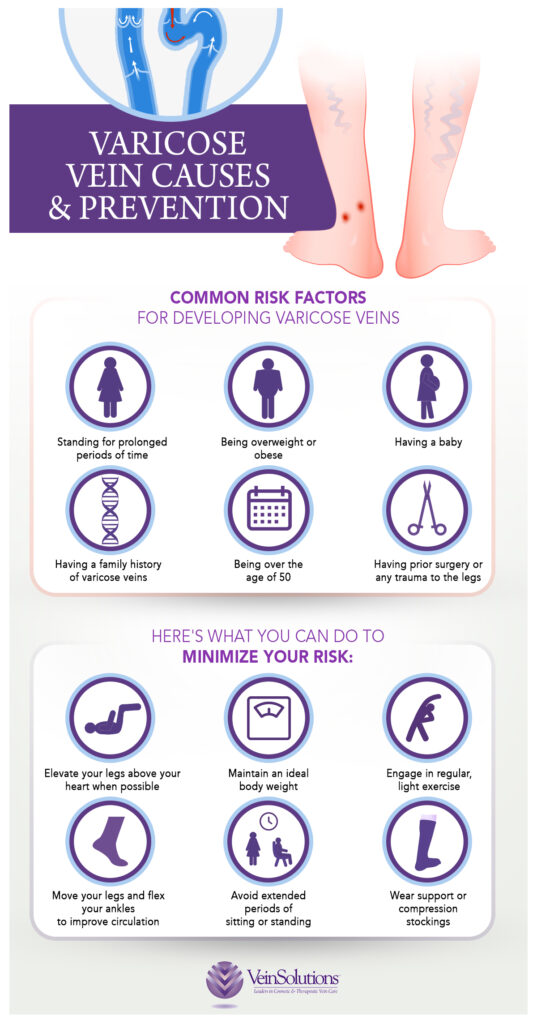
As the old proverb goes, “Prevention is better than cure.” When it comes to varicose veins, this adage rings especially true. While it’s often easier to treat varicoses after they appear, taking proactive steps can significantly reduce their likelihood of occurring in the first place. In this article, we’ll delve into the causes and risk factors for varicose veins, as well as practical tips and lifestyle changes that can help prevent them.
What Are Varicose Veins?
Varicose veins are a condition characterized by the permanent dilation of a vein, often accompanied by a modification in the walls of the affected blood vessel. This can lead to the formation of varicoses, which are enlarged and twisted veins that can cause discomfort, pain, and swelling.
Causes of Varicose Veins
While the exact causes of varicose veins are still not fully understood, several factors contribute to their development:
- Increased pressure within the vein: Compression from tight clothing, heavy backpacks, or prolonged standing can increase pressure within the vein, causing it to dilate.
- Blood clots: Clots that form in deep veins can travel to the surface and cause inflammation, leading to varicoses.
- Poor circulation: Insufficient blood flow can cause veins to work harder, leading to dilation and increased pressure.
Risk Factors for Varicose Veins
Certain lifestyle habits and genetic factors can increase your risk of developing varicose veins:
- Lack of physical activity: Prolonged periods of immobility can contribute to poor circulation and increased pressure within the veins.
- Sedentary lifestyle
- Obesity: Carrying excess weight can put additional strain on the veins, particularly in the legs.
Early Warning Signs
While varicoses may not always be visible, there are several early warning signs that indicate their presence:
- Swollen feet and ankles
- Pain or discomfort in the legs or calves
- Itching, burning, or tingling sensations in the affected area
- Redness or inflammation around the affected vein
Prevention Strategies
Fortunately, there are several ways to reduce your risk of developing varicose veins:
1. Maintain a healthy lifestyle
Stay active through regular exercise, such as brisk walking or cycling.
- Aim for at least 30 minutes of moderate-intensity physical activity per day.
- Wear comfortable shoes and loose-fitting clothing to avoid compression on the legs.
2. Eat a balanced diet
Focus on consuming a variety of fruits, vegetables, whole grains, and lean proteins to support overall health and well-being:
- Include foods rich in bioflavonoids and essential vitamins, such as berries, citrus fruits, leafy greens, and nuts.
- Limit processed and high-sugar foods that can exacerbate inflammation.
3. Stay hydrated
Drink plenty of water throughout the day to help flush out toxins and support blood flow:
- Aim for at least eight glasses of water per day.
- Avoid sugary drinks and caffeine, which can dehydrate the body.
4. Manage stress
Find healthy ways to manage stress, such as meditation, deep breathing exercises, or yoga:
- Practice relaxation techniques regularly to help reduce muscle tension and promote blood flow.
5. Wear comfortable clothing
Avoid tight-fitting clothing that can compress the legs and contribute to poor circulation:
- Opt for loose-fitting pants, socks, and shoes.
- Consider using compression stockings or sleeves to support blood flow.
By incorporating these prevention strategies into your daily routine, you can significantly reduce your risk of developing varicose veins. If you’re already experiencing symptoms, consult with a healthcare professional for personalized advice and treatment options.
Frequently Asked Questions
Q: How common are varicose veins?
A: Varicose veins affect approximately 10-20% of the adult population in the United States.
Q: Can varicose veins be treated without surgery?
A: Yes, many cases of varicose veins can be managed through non-surgical methods, such as compression therapy, lifestyle changes, and home remedies.
Q: Are varicose veins painful?
A: While some people may experience mild discomfort or pain, others may not notice any symptoms at all. However, if left untreated, varicoses can lead to more severe issues like blood clots and ulcers.
Q: Can genetics contribute to varicose veins?
A: Yes, genetic factors can play a role in the development of varicose veins. If you have a family history of varicoses or other circulatory problems, consult with your doctor about your individual risk.
Q: Are there any natural remedies for varicose veins?
A: While some natural remedies may provide relief from symptoms, it’s essential to consult with your healthcare professional before trying any new treatments. Some options include:
- Apple cider vinegar compresses
- Elevating the affected limb above the level of the heart
- Massaging the affected area
- Using topical creams or ointments containing ingredients like horse chestnut extract or citrus flavonoids
Consult with your doctor before trying any new remedies, especially if you have underlying medical conditions or take medications.
Advanced Prevention Strategies
In addition to the prevention strategies mentioned earlier, there are several advanced techniques that can help reduce the risk of varicose veins:
1. Compression therapy
Wearing compression stockings or sleeves can help improve blood flow and reduce pressure within the affected vein.
- Look for stockings with a gradient compression rating (e.g., 15-20 mmHg).
- Wear them at all times, especially during periods of prolonged standing or sitting.
2. Exercise programs
Regular exercise can help strengthen the muscles in your legs and improve circulation:
- Incorporate exercises that target your calf and thigh muscles, such as squats, lunges, and leg presses.
- Aim for at least 30 minutes of moderate-intensity physical activity per day.
3. Acupuncture
Acupuncture has been shown to improve blood flow and reduce symptoms associated with varicose veins:
- Find a licensed acupuncturist in your area.
- Discuss your condition with them, and they can help you determine the best course of treatment.
4. Massage therapy
Regular massage can help improve circulation and reduce muscle tension:
- Look for a licensed massage therapist in your area.
- Schedule regular massages (e.g., every 2-3 weeks) to target the affected areas.
By incorporating these advanced prevention strategies into your daily routine, you can further reduce your risk of developing varicose veins. Remember to always consult with your healthcare professional before trying any new treatments or remedies.


