
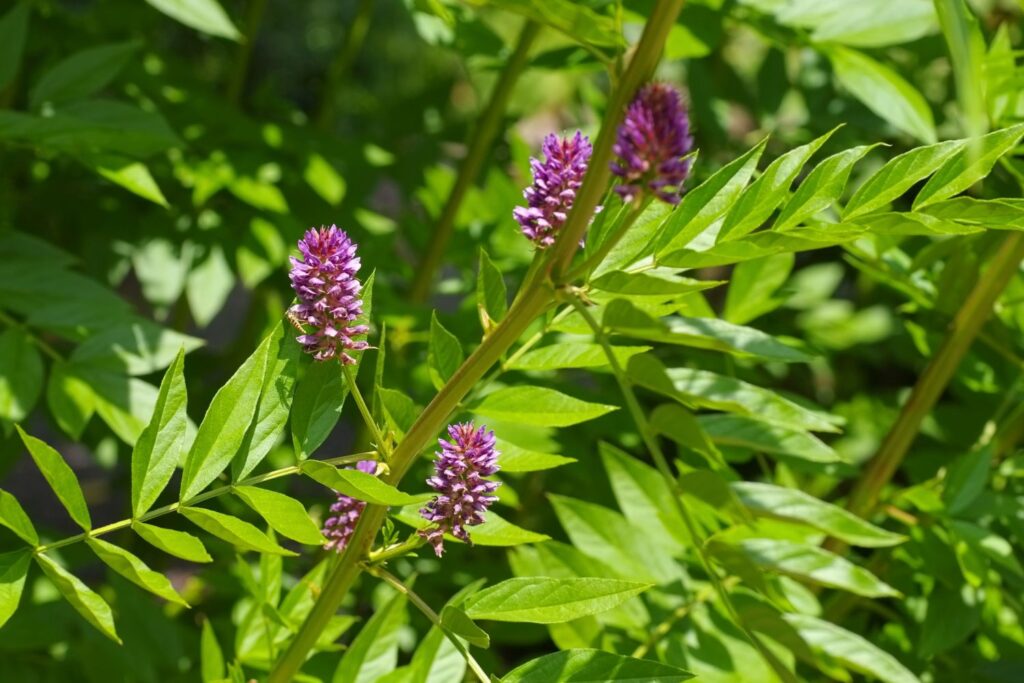
Licorice, also known as Glycyrrhiza glabra, is a perennial plant native to Asia and the Mediterranean region. It has been used for centuries for its medicinal properties, making it one of the most consumed herbs in the world. But what makes licorice so special, and how can you grow it yourself?
The History of Licorice
Licorice has been around for over 5,000 years, with evidence of its use dating back to ancient civilizations. The root of the plant contains a compound called glycyrrhizin, which gives it its distinctive sweet flavor. Licorice was also used as a medicine, treating a range of ailments from digestive issues to respiratory problems.
Properties of Licorice
Licorice is known for its ant-inflammatory and anti-viral properties, making it a popular ingredient in many herbal remedies. The root of the plant can be used to make teas, tinctures, and other products that are said to help with digestion, stress relief, and even lowering blood pressure.
How to Grow Licorice
Licorice can be grown either in vases or in gardens, provided it receives full sun and well-draining soil. It is a hardy plant that can tolerate frost, making it suitable for growing in cooler climates.
Growing Conditions
- Full sun: Licorice requires at least 6 hours of direct sunlight per day.
- Well-draining soil: The plant prefers well-draining soil with a pH between 6.5 and 7.5.
- Frost tolerance: Licorice can tolerate light frosts but may require protection from severe cold snaps.
When to Plant Licorice
The best time to plant licorice is from February to March, when the weather is still cool. Sow the seeds on moist soil and cover them with a thin layer of soil. Make sure to choose a location that receives full sun and has good drainage.
How to Harvest Licorice
Licorice can be harvested from September to November, after three to four years of growth. The roots are best harvested in the fall, as they contain the highest concentration of glycyrrhizin. To harvest licorice, carefully dig around the plant with a fork, taking care not to damage the roots.
Buying Licorice Seeds or Plants
You can buy licorice seeds online or at a local nursery. Make sure to purchase seeds that are specifically labeled as “licorice” or “Glycyrrhiza glabra”. When buying plants, choose healthy ones with green leaves and sturdy stems.
Tips for Growing Licorice in Vases
- Choose a large enough vase (at least 60 cm deep) to accommodate the plant’s extensive root system.
- Use well-draining soil specifically designed for vases or pots.
- Water regularly, but avoid overwatering, which can lead to root rot.
Common Mistakes to Avoid When Growing Licorice
- Don’t plant licorice seeds too close together, as this can lead to overcrowding and reduced growth.
- Make sure the pot has good drainage holes to prevent waterlogged soil.
- Avoid exposing the plant to extreme temperatures, which can cause damage or kill the plant.
Growing Licorice in Gardens
If you prefer to grow your licorice in a garden, make sure to choose a spot with full sun and well-draining soil. Licorice can grow quite tall (up to 1 meter), so provide it with enough space to spread out. Dig a deep hole for the plant, about twice as wide and just as deep.
Common Problems When Growing Licorice in Gardens
- Pests: aphids, whiteflies
- Diseases: powdery mildew, root rot
Pest Control
To control pests, use organic methods such as introducing beneficial insects or spraying the plant with a mixture of water and soap. If you notice any damage to your licorice plant, inspect it carefully and treat accordingly.
Disease Prevention
To prevent diseases, ensure good air circulation around the plant, remove any infected leaves or stems, and disinfect pruning tools between uses. Regularly inspect your plants for signs of disease and take prompt action if necessary.
Conclusion
Growing licorice is a rewarding experience that requires patience and dedication. With the right growing conditions and care, you can enjoy the many benefits of this amazing herb. Whether you prefer to grow it in vases or gardens, make sure to follow these tips to ensure success.
Frequently Asked Questions
- Q: Can I grow licorice indoors?
A: Yes, but make sure the pot has good drainage holes and provide enough light (at least 4 hours of direct sunlight). - Q: How often should I water my licorice plant?
A: Water your licorice plant regularly, but avoid overwatering. - Q: Can I grow licorice in containers that don’t have drainage holes?
A: No, make sure the pot has good drainage holes to prevent root rot. - Q: How long does it take for licorice to mature?
A: Licorice takes 3-4 years to mature after planting seeds or seedlings. - Q: Can I use licorice as a natural remedy for stress relief?
A: Yes, licorice has been traditionally used to treat stress and anxiety.
Growing Licorice for Medicinal Purposes
Licorice can be grown specifically for medicinal purposes. To do so, choose varieties with higher glycyrrhizin content, such as Glycyrrhiza glabra var. uralensis or Glycyrrhiza lepidota. These plants are more resistant to pests and diseases.
Harvesting Licorice Root
To harvest licorice root, carefully dig around the plant with a fork, taking care not to damage the roots. Remove the roots from the soil, clean them gently, and dry them thoroughly before storing or processing.
Processing Licorice Root
Licorice root can be processed in various ways, including drying, grinding, or infusing. Drying is the most common method, which involves spreading the root slices on a paper bag or tray to remove excess moisture. Grinding and infusing can also be used to extract glycyrrhizin.
Tips for Processing Licorice Root
- Dry licorice root thoroughly to prevent mold growth.
- Store dried licorice root in an airtight container to preserve its flavor and medicinal properties.
- Use high-quality equipment, such as food-grade grinding tools and clean glass jars, when processing licorice root.
Conclusion
Growing licorice is a rewarding experience that requires patience and dedication. With the right growing conditions and care, you can enjoy the many benefits of this amazing herb. Whether you prefer to grow it in vases or gardens, make sure to follow these tips to ensure success.


