
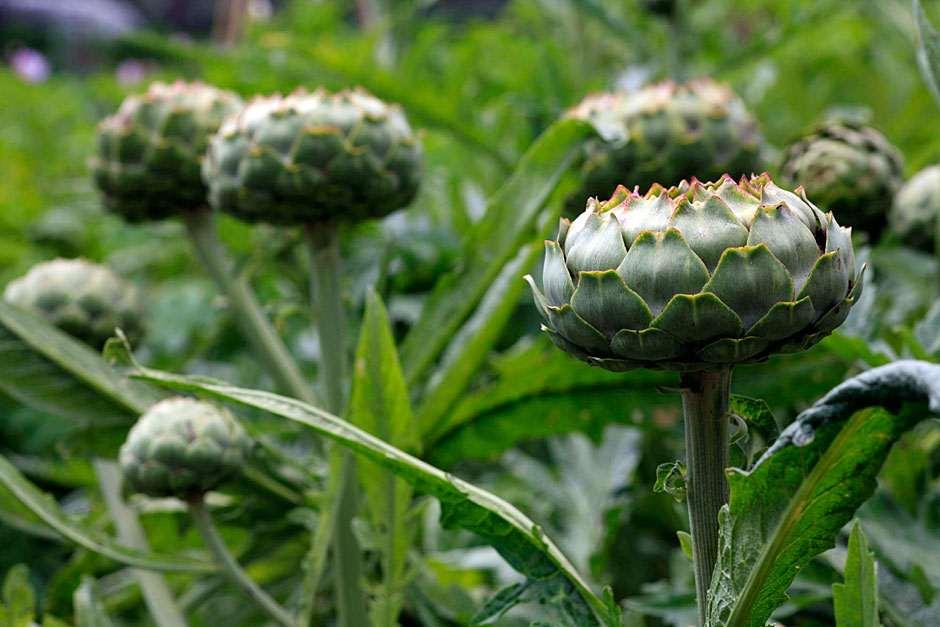
As different from most vegetables, artichokes are perennial plants. Therefore, to cultivate them, we need to prepare a plot that will be occupied by the artichoke plant for at least five years (approximately 5/7 years). The artichoke plant produces new buds, called carduice, which must be removed and planted elsewhere to cultivate a new artichoke garden. Over time, this will replace the previous one. There are varieties of artichokes with autumn production and varieties with spring production.
Choosing the Right Conditions for Artichokes
Artichokes love a warm climate with mild winters. It’s recommended to grow artichokes in areas where winters are not too harsh. If that’s not the case, you’ll need to cover the entire artichoke garden to protect it from the cold. Let’s take a closer look at all the tips for growing artichokes.
Climate and Temperature Requirements
Artichokes thrive in temperatures between 15°C and 25°C (59°F-77°F). They also require adequate sunlight, with a minimum of six hours of direct sunlight per day. This will help the plant to produce healthy buds and flowers.
Soil Preparation
We prefer fresh, medium-clay soils rich in organic matter over argillaceous or sandy soils. It’s best to work the soil by adding plenty of compost-rich soil: a little sand for good drainage and mature compost or granular fertilizer specifically designed for orchard plants that will enrich the soil and improve its structure.
Planting Artichokes
To establish the new plant, place the carduice in rows spaced about 90 cm apart, with at least 60 cm between each plant. As time passes, the plants will become quite wide, up to 80-100 cm.
Please keep in mind that it’s essential not to bury the carduice too deeply when planting, as this can lead to rot. The ideal depth for planting artichokes is about 2-3 cm (0.8-1.2 inches) below the soil surface.
Watering and Mulching
Artichokes require consistent moisture levels, especially during their early growth stages. Water them regularly, but avoid overwatering, which can lead to root rot. Mulch around the plants to retain moisture and suppress weeds.
Fertilization
Feed your artichoke plants with a balanced fertilizer (10-10-10 NPK) once a month. You can also add a high-phosphorus fertilizer (10-20-10 NPK) during the summer months to promote healthy growth and flower production.
Pest and Disease Management
Keep an eye out for pests like aphids, whiteflies, and spider mites, which can damage your artichoke plants. Regularly inspect your plants and use organic pest control methods whenever possible. As for diseases, watch out for powdery mildew, leaf spot, and root rot.
Ripening and Regeneration
When the plant starts growing, remove the pollens or buds (carduice), leaving about three for each plant. Keep the soil well-drained and fresh, watering if necessary.
Artichokes are ready to harvest from January to February. The plant will start producing its first floral buds.
Forced Growing of Artichokes
In favorable climates, it’s possible to cultivate artichokes in forced growing conditions by watering the rizomes during their dormant vegetative period in the summer to encourage early growth: the first artichoke harvest usually occurs in October or November. Forced growing also produces smaller flowers that are perfect for freezing or pickling.
Important Note
Forcing artichokes typically reduces the lifespan of the plant, as it’s forced into two seasons of flowering per year.
Tips and Reminders
To have a better production of artichokes, it’s recommended to replace every four years old plants with new ones. Also, consider rotating your crops every season to avoid depleting the soil of nutrients and to reduce pest and disease buildup.
If you can’t produce enough artichokes from your cultivation or want to supplement your fresh supply by buying them from your trusted grocery store, consider purchasing dried artichoke extract online. Artichoke extracts are an excellent way to incorporate carnosine, a beneficial substance present in artichokes, into your diet, especially during periods when you can’t eat fresh produce or when traveling and don’t have access to fresh ingredients.
For example, imagine being on vacation in Egypt where the hotel menu is usually limited to few fruits and vegetables. Having dried artichoke extract available would be a lifesaver for maintaining a balanced diet without compromising your health.
The price of online artichoke extracts is relatively affordable compared to the number of consumptions: a 60-capsule bottle costs only €14.
For more information about the nutritional benefits and properties of this wonderful vegetable, I recommend reading our article “Artichoke, Nutritional Benefits”
By Anna De Simone on August 25, 2013
Frequently Asked Questions (FAQs)
Q: How do I prepare my artichoke garden for planting?
A: Prepare your land by removing weeds and vangare it. Then choose a plot of medium-clay soil rich in organic matter and plant the carduice.
Q: Which varieties of artichokes are best for growing?
A: There are autumn-producing and spring-producing varieties of artichokes.
Q: Where can I buy artichoke extracts online?
A: You can purchase dried artichoke extract online from various retailers.
Q: How do I harvest my artichokes?
A: Artichokes are ready to harvest in January-February.
Growing Artichokes in Different Regions
Artichokes thrive in regions with mild winters and warm summers. If you live in an area with harsh winters, consider growing artichokes in containers that can be moved indoors during the cold months or using forced growing techniques.
In Mediterranean regions, such as Spain, Italy, and Greece, artichokes are a staple crop and have been cultivated for centuries. In these regions, artichokes are typically grown in areas with well-drained soil and full sun.
Common Artichoke Varieties
Some popular varieties of artichokes include:
- Globe artichokes (Cynara scolymus): These are the most commonly grown variety and have large, round buds.
- Tri-colored artichokes: These artichokes have three distinct colors on their buds, including green, red, and yellow.
- Purple artichokes: These artichokes have a distinctive purple color and are prized for their unique flavor.
Artichoke Pests and Diseases
Common pests that can affect artichokes include:
- Aphids: These tiny insects feed on the sap of the plant and can cause curled or distorted leaves.
- Whiteflies: These insects lay eggs on the underside of leaves, which hatch into larvae that feed on the plant’s sap.
- Spider mites: These tiny arachnids feed on the sap of the plant, causing yellowing or bronzing of the leaves.
Common diseases that can affect artichokes include:
- Powdery mildew: This fungal disease causes a white, powdery coating to form on the leaves and stems.
- Leaf spot: This fungal disease causes small, circular spots to appear on the leaves, which can lead to defoliation.
- Root rot: This fungal disease can cause the roots of the plant to rot, leading to wilting or death.
Conclusion
Growing artichokes is a rewarding experience that requires patience, dedication, and proper care. By following these tips and guidelines, you can enjoy a bountiful harvest of delicious and nutritious artichokes from your own garden.


