
Introduction
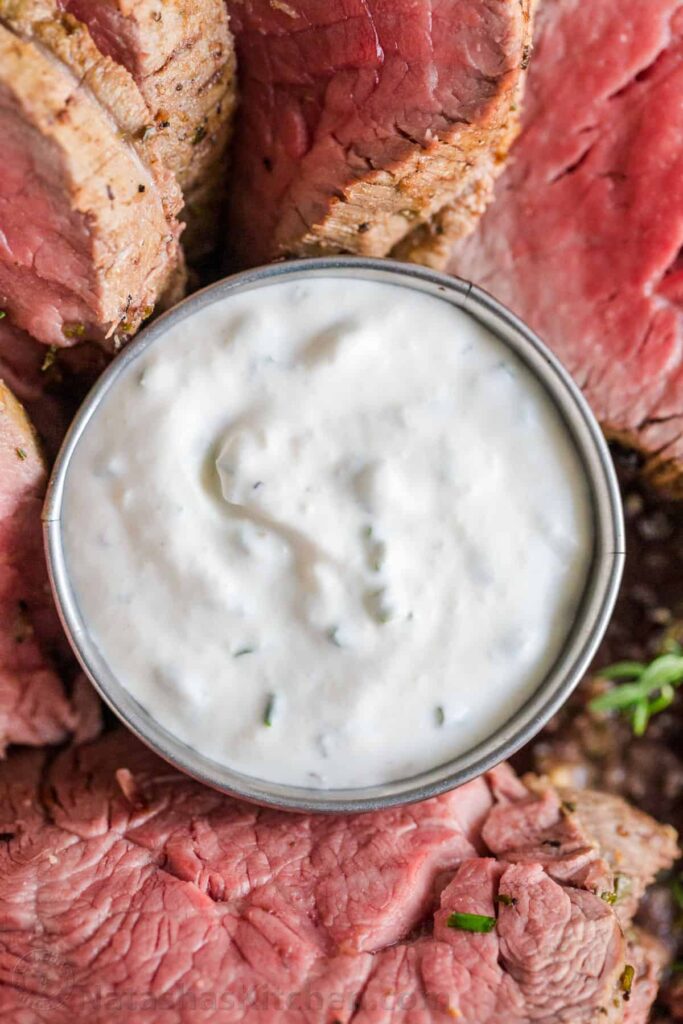
Horseradish sauce has been a staple in various cuisines for centuries, with its pungent flavor and numerous health benefits. From the rustic hills of Italy to the British countryside, this versatile condiment has found its way into many traditional dishes. In this article, we’ll delve into the world of horseradish sauce, exploring its history, nutritional value, preparation methods, and most importantly, how to use it in various recipes.
What is Horseradish?
Horseradish (Armoracia rusticana) is a perennial herbaceous plant belonging to the family Cruciferae. Its botanical name is Armoracia rusticana, and it’s commonly known as rafan or barbaforte. Native to Southern Europe and Western Asia, horseradish can be easily cultivated in temperate climates.
The Nutritional Value of Horseradish
Horseradish is rich in vitamins C and K, as well as minerals like potassium and manganese. Its root is particularly high in vitamin C, which boasts antioxidant properties that help protect the body from free radicals. The volatile oils present in horseradish contribute to its characteristic pungency.
Cultivating Horseradish
To grow horseradish, choose a location with well-drained soil and partial shade. Sow seeds in February or March, spacing them 30 cm apart and 50 cm between rows. Water frequently, but avoid standing water, which can lead to root rot. Horseradish can be grown in containers, requiring deep pots with good drainage.
Using Horseradish: Barberry Roots and Beyond
Horseradish roots are edible and have a spicy flavor similar to mustard. Leaves are also edible and can be used in salads or as a garnish. To cultivate horseradish, consider growing it annually for optimal harvests.
Traditional Horseradish Sauces from Around the World
In Italy, horseradish sauce (rafanata) is served with grilled beef, while in Poland, it’s often paired with traditional dishes like pierogi or bigos. In the UK and Poland, a simple horseradish sauce made with grated horseradish and vinegar is commonly used to flavor roast beef.
Homemade Horseradish Sauce Recipes
There are countless ways to prepare horseradish sauce. Some popular recipes include:
- Lucanian Rafanata: Combine freshly grated horseradish, pepper, potatoes, salt, and eggs for a traditional Italian sauce.
- British Horseradish Sauce: Mix grated horseradish with white vinegar for a classic British condiment.
- Khreyn-Style Horseradish Sauce: Blend grated horseradish with olive oil, lemon juice, and garlic for a unique flavor profile.
The Secret to Fresh Horseradish
To preserve the freshness and aroma of horseradish, use cold-pressed ingredients from the fridge. This ensures that the isotiocianate of allyl remains volatile, giving your sauce its characteristic pungency.
Conclusion
Horseradish sauce is a versatile condiment with numerous health benefits and uses in various cuisines. From traditional recipes to modern twists, there’s no denying the power of horseradish. Whether you’re looking for a flavorful addition to your dishes or a natural remedy for inflammation, horseradish is an excellent choice.
Frequently Asked Questions
- Can I grow horseradish in my garden?
- Yes, but ensure well-drained soil and partial shade.
- How do I prepare horseradish sauce from scratch?
- Choose a recipe that suits your taste preferences, using fresh ingredients like grated horseradish, vinegar, and olive oil.
- What are the health benefits of consuming horseradish?
- Horseradish is rich in vitamins C and K, as well as minerals like potassium and manganese, which boast antioxidant properties.
- Can I use frozen or canned horseradish in my recipes?
- While possible, frozen or canned horseradish may lack the freshness and flavor of fresh roots.
- How do I store horseradish to maintain its quality?
- Store horseradish in the fridge, ensuring good drainage and minimal exposure to light.
- Can I use horseradish as a natural remedy for inflammation?
- Horseradish contains compounds that have anti-inflammatory properties, making it an excellent addition to your natural remedies.
- How do I pair horseradish sauce with different dishes?
- Experiment with various recipes and flavor combinations to find the perfect match for your taste buds.
- Can I make horseradish sauce in bulk?
- Yes, but be sure to follow proper food safety guidelines when preparing large quantities of horseradish sauce.
Culinary Uses for Horseradish Sauce
Horseradish sauce can be used as a condiment or ingredient in various dishes:
- Marinades: Mix grated horseradish with olive oil, lemon juice, and garlic to create a marinade for meats like lamb or beef.
- Soups: Add a dollop of horseradish sauce to soups like creamy tomato or vegetable soup for an extra kick.
- Salads: Toss sliced horseradish into green salads or use it as a topping for grain salads.
Health Benefits of Horseradish
Horseradish is a rich source of antioxidants and has several health benefits:
- Anti-Inflammatory Properties: The compounds present in horseradish have anti-inflammatory properties that may help reduce pain and inflammation.
- Digestive Health: Horseradish contains compounds that may aid digestion and alleviate symptoms like bloating and gas.
- Antibacterial Properties: Horseradish has antibacterial properties, which can help combat infections.
Modern Uses for Horseradish
Horseradish is being used in various modern applications:
- Cocktails: Add a dash of horseradish to cocktails like Old Fashioned or Margarita for an extra kick.
- Sauces and Marinades: Use horseradish sauce as a base for sauces and marinades, adding flavor to meats like chicken or fish.
- Desserts: Yes, you read that right! Horseradish can be used in desserts, pairing well with sweet flavors like chocolate.
Conclusion
Horseradish sauce is an ancient condiment with numerous health benefits and culinary uses. From traditional recipes to modern twists, there’s no denying the power of horseradish. Whether you’re looking for a flavorful addition to your dishes or a natural remedy for inflammation, horseradish is an excellent choice.
Further Reading
For more information on horseradish sauce, its history, and nutritional value, please refer to these sources:
- “The Oxford Companion to American Food and Drink”
- “The Cambridge World History of Food”
- “Horseradish: A History”


