
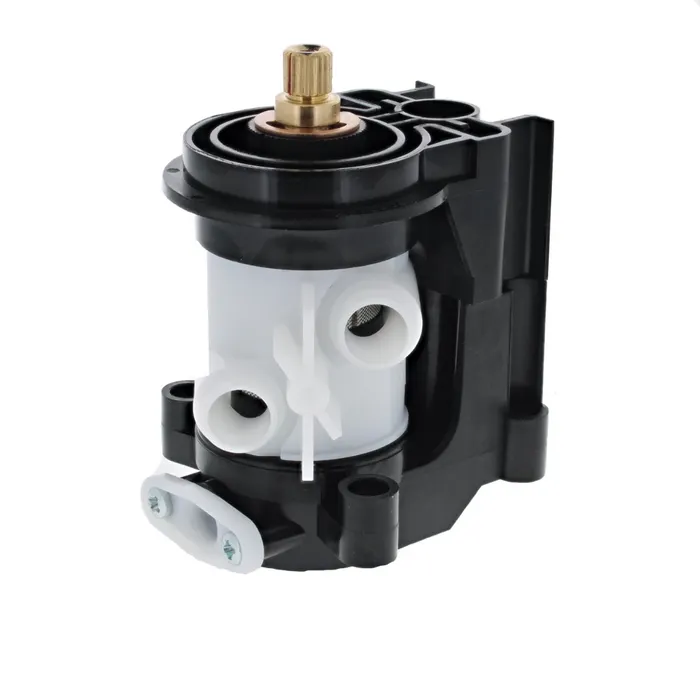
As the temperature drops, our homes become a cozy retreat from the cold outside. But have you ever stopped to think about the intricate system that keeps your home warm? The thermostatic valves play a crucial role in regulating the flow of hot water into the radiators, ensuring that your home remains at a comfortable temperature.
What Are Thermostatic Valves?
Thermostatic valves are devices that control the amount of hot water flowing into the radiator. They work by using a mechanism to allow or block the flow of water, depending on the desired temperature setting. In a central heating system, thermostatic valves can help reduce energy consumption by up to 20%. This is achieved by installing a valve in each room, which allows for precise temperature control.
History of Thermostatic Valves
Thermostatic valves have been around for over a century, but they’ve evolved significantly over the years. In the early days, thermostatic valves were simple devices that relied on basic mechanical principles to regulate temperature. Today, modern thermostatic valves use advanced materials and technology to provide precise temperature control and energy efficiency.
How Do Thermostatic Valves Work?
Thermostatic valves use a complex mechanism to regulate the flow of hot water. When set to a specific temperature, the valve opens or closes, allowing or blocking the flow of water into the radiator. This ensures that the desired temperature is maintained throughout the house. In addition, thermostatic valves can be programmed to turn on and off at specific times, helping to optimize energy consumption.
The Benefits of Thermostatic Valves
Thermostatic valves offer several benefits, including:
• Energy efficiency: By allowing you to control the temperature in each room, thermostatic valves can help reduce energy consumption.
• Precise temperature control: With a thermostatic valve, you can set the exact temperature for each room, ensuring that your home is always at the perfect temperature.
• Increased comfort: Thermostatic valves allow you to create different temperature zones throughout your home, making it ideal for families or individuals with varying needs.
Types of Thermostatic Valves
There are several types of thermostatic valves available, including:
• Standard thermostatic valves
• Programable thermostatic valves
• Smart thermostatic valves
Each type has its own unique features and benefits. When choosing a thermostatic valve, it’s essential to consider your specific needs and preferences.
Standard Thermostatic Valves
Standard thermostatic valves are the most common type of valve found in central heating systems. They work by using a simple mechanical mechanism to regulate temperature, but they can be less precise than other types of valves.
Programmable Thermostatic Valves
Programmable thermostatic valves offer greater precision and flexibility than standard valves. These valves can be programmed to turn on and off at specific times, allowing you to optimize energy consumption and create different temperature zones throughout your home.
Smart Thermostatic Valves
Smart thermostatic valves are the most advanced type of valve available. These valves use advanced materials and technology to provide precise temperature control and energy efficiency. They can also be controlled remotely, making it easy to adjust the temperature from anywhere in the house.
Installing Thermostatic Valves
Installing thermostatic valves is a relatively straightforward process. You’ll need to follow these steps:
- Choose the right valve for your system
- Locate the radiators in each room
- Connect the thermostat to the radiator
- Install the valve according to the manufacturer’s instructions
Tips and Tricks
When installing thermostatic valves, keep in mind the following tips and tricks:
• Make sure to choose a valve that is compatible with your existing system.
• Consider using a programmable thermostat to optimize energy consumption.
• Don’t forget to test the valve after installation to ensure it’s working correctly.
Common Questions
Q: How much do thermostatic valves cost?
A: The cost of thermostatic valves can vary, but you can expect to pay between €20 and €60 for a standard model.
Q: What is the best type of thermostatic valve for my home?
A: The best type of thermostatic valve for your home will depend on your specific needs and preferences. Consider factors such as energy efficiency, precise temperature control, and compatibility with your existing system.
Q: How do I program a thermostat typically?
A: Programming a thermostat typically involves setting the desired temperature, selecting the desired time period, and configuring any additional features.
Q: Can I install thermostatic valves myself?
A: Yes, installing thermostatic valves is a relatively straightforward process. However, if you’re unsure about the installation process or feel uncomfortable with DIY projects, it’s always best to consult a professional.
Q: Are thermostatic valves suitable for old radiators?
A: Yes, thermostatic valves can be installed on old radiators. However, you may need to use additional adapters and fittings to ensure compatibility.
Conclusion
Thermostatic valves are a simple yet effective way to regulate the temperature in each room of your home. By understanding how they work and installing them correctly, you can enjoy increased comfort, energy efficiency, and precise temperature control. Whether you’re looking to upgrade your existing system or install a new one, thermostatic valves are an excellent choice for any homeowner.
References
- “Thermostatic Valves: A Comprehensive Guide” by Anna De Simone (2014)
- “How Thermostatic Valves Work” by [Author Unknown]
- “Thermostatic Valve Installation Guide” by [Manufacturer’s Instructions]
By following this comprehensive guide, you can ensure that your thermostatic valves are installed correctly and provide years of reliable service. Remember to always follow the manufacturer’s instructions and consult a professional if you’re unsure about any aspect of the installation process. With the right knowledge and tools, you can enjoy a warm, comfortable home that’s tailored to your specific needs and preferences.


