
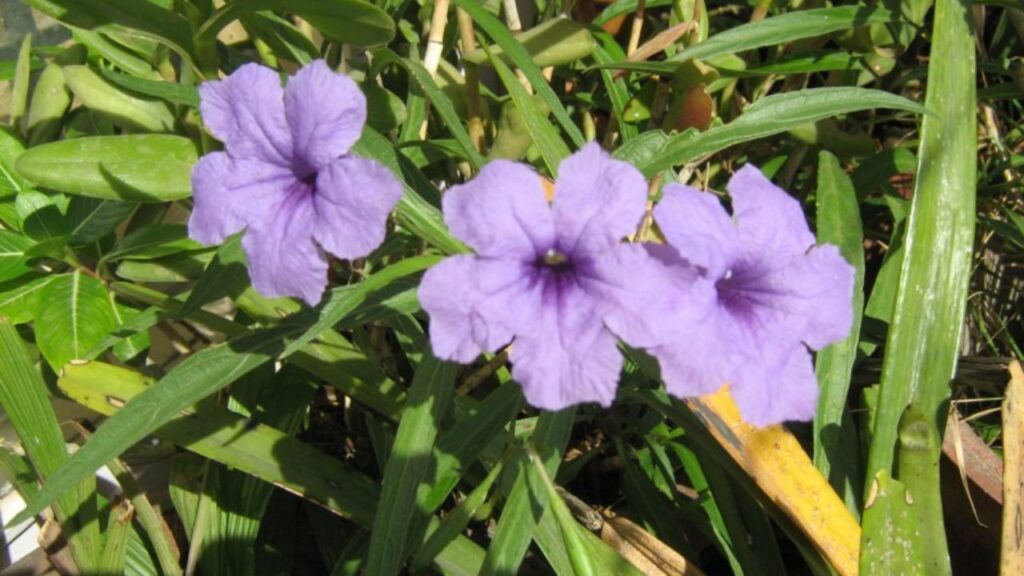
Desert petunias, also known as Ruellia brittoniana or Mexican petunia, are a stunning annual flower that can thrive in challenging conditions, making them an ideal choice for gardeners who want to add a pop of color to their outdoor spaces without the hassle of high maintenance. In this article, we will delve into the characteristics, growing requirements, and care tips for desert petunias, helping you to successfully cultivate these beautiful flowers.
What is Ruellia Brittoniana?
Ruellia brittoniana is a species of flowering plant native to Mexico and Central America. This hardy annual belongs to the Acanthaceae family and can grow up to 90 cm in height, spreading widely in both width. The plant’s unique characteristics, including its vibrant blue flowers and deep purple stems, make it a popular choice among gardeners.
Characteristics of Desert Petunias
Desert petunias are known for their stunning viola-blue flowers with a light fragrance. The trumpet-shaped blooms have a diameter of about 5 cm and open at dawn, closing by late afternoon. These plants can bloom throughout the year in mild climates and from late spring to early fall in areas with colder winters. The dark green, lanceolate leaves resemble willow leaves, measuring approximately 30 cm long and 2 cm wide, making them a striking feature of any garden bed.
Leaves and Stems
The stems of desert petunias are a deep purple color, adding to the plant’s unique charm. They can grow up to 90 cm in height, providing support for the vibrant blue flowers. The leaves are dark green, lanceolate, and measure approximately 30 cm long and 2 cm wide.
Growing Desert Petunias: Tips and Tricks
While desert petunias can thrive in challenging conditions, they do require some care. Here are a few tips to help you grow these beautiful plants:
Choosing the Right Location
If you live in an area with harsh winters or limited sunlight, consider growing desert petunias indoors during the first cold fronts of autumn. For areas with mild winters and full sun, it’s best to choose locations that receive at least 6 hours of direct sunlight per day.
Soil Requirements
Desert petunias don’t require specific soil conditions but prefer a slightly acidic pH between 6.0 and 7.0. They can thrive in a wide range of soils, making them an excellent choice for gardeners looking to add some color without worrying about soil requirements.
Watering and Irrigation
Water your desert petunias regularly during the spring and summer months when they are actively growing. However, they can tolerate drought well, especially if grown in pots. For optimal results, water your plant thoroughly but avoid overwatering. Mulching around the base of the plant can help retain moisture and regulate soil temperature.
Mulching and Protection from Frost
To protect your desert petunia from frost damage, add a 15-20 cm layer of mulch to the soil before winter. This will help insulate the roots and keep the soil from freezing. In areas with harsh winters, consider bringing potted plants indoors or providing additional protection using covers or tarps.
Using Support
As your desert petunias grow and spread, use stakes or cages to support them. This will help prevent the plant from toppling over in the wind. You can also prune the stems regularly to encourage bushy growth and promote blooming.
Varieties of Ruellia Brittoniana
While the most common variety is Ruellia brittoniana, there are other species within the same family that offer stunning white or pink flowers. Ruellia simplex is a popular alternative with similar characteristics to desert petunias. However, be sure to check the specific growing requirements for each variety to ensure optimal results.
Growing Desert Petunias in Containers
Desert petunias can thrive in containers using well-draining soil and regular watering. Choose a container that is at least 30 cm deep to provide adequate root growth. Use a mixture of potting soil and perlite or vermiculite to improve drainage and aeration.
Conclusion
Growing desert petunias can be a rewarding experience for gardeners looking to add some color to their outdoor spaces without high maintenance. By choosing the right location, following proper watering and mulching techniques, and using supports when necessary, you’ll be on your way to growing these beautiful flowers. With their vibrant blue blooms and deep purple stems, desert petunias are sure to become a staple in any garden.
Frequently Asked Questions
- Can desert petunias thrive in partial shade?
While desert petunias prefer full sun, they can tolerate partial shade but may not produce as many blooms. If you’re growing your plants in a shaded area, consider using grow lights to provide supplemental light. - How often should I water my desert petunia?
Water your desert petunia regularly during the spring and summer months when it’s actively growing. Watering once or twice a week is usually sufficient, but be sure to check the soil moisture before watering. - Can I grow multiple varieties of Ruellia brittoniana together?
Yes, you can grow multiple varieties of Ruellia brittoniana together, but make sure they have similar growing conditions. Mixing different varieties can add visual interest and create a unique display. - How long does it take for desert petunias to bloom?
Desert petunias typically bloom within 2-3 months after planting, depending on weather conditions and care. With proper care, your plants should start blooming in as little as 30 days. - Can I grow desert petunias indoors?
Yes, you can grow desert petunias indoors using bright lights and regular watering. However, be careful not to overwater, as this can lead to root rot and other problems. - What is the typical lifespan of a desert petunia plant?
Desert petunias are annual plants that typically bloom for one season before dying off. This means you’ll need to replant every year to maintain a continuous display of color.
By following these tips and tricks, you’ll be able to grow beautiful desert petunias that will add color and vibrancy to your garden beds. With their unique characteristics and low-maintenance requirements, desert petunias are an excellent choice for gardeners of all skill levels.


