
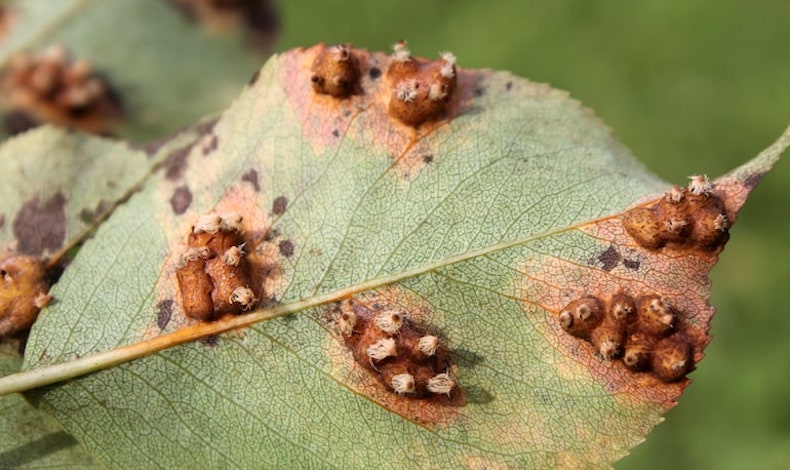
Apple tree rust, also known as Gymnosporangium sabinae, is a fungal disease that affects apple trees worldwide. It’s a perennial problem that can be challenging to control, but understanding its causes and prevention methods is essential for maintaining healthy and productive orchards.
Understanding the Causes of Apple Tree Rust
Apple tree rust has similarities with other diseases such as Venturia pirina caused by the fungus that leads to apple scab. These diseases are often referred to as “critical gametophyte” diseases, meaning they affect both the reproductive organs of the plant (gametophytes) and its vegetative parts. This is why treatments for one disease can be effective against others.
The Connection Between Apple Tree Rust and Other Fruit Trees
Apple tree rust shares similarities with other fruit trees such as pear, cherry, and plum, all belonging to the Rosaceae family. These families often experience similar problems, making it easier to use the same treatments for multiple diseases.
How Does Apple Tree Rust Spread?
The fungus Gymnosporangium sabinae can infect apple trees by spreading through a vector plant, typically ginepro (ginepro). The fungus grows on the ginepro without causing significant damage, then attacks and destroys apple trees. If you have a large number of ginepro nearby, it’s likely that your apple tree will be infected.
Eliminating Ginepro to Prevent Apple Tree Rust
To prevent or eliminate apple tree rust, removing ginepro from around the orchard is essential. However, if the ginepro is located on private property or in a protected area, this may not be feasible. In such cases, specific treatments can still help control the spread of the disease.
Preventing and Treating Apple Tree Rust
Insecticidal soap, neem oil, or other fungicides can be used to prevent and treat apple tree rust. These products are effective in preventing and treating diseases that target both apples and ginepro. Treatment timing is crucial; apply treatments immediately after a rain shower, within 24 to 36 hours of precipitation.
Effective Treatments for Apple Tree Rust
A specific product called Poltiglia Bordolese has been shown to be effective against apple tree rust. This product is made from sulfated iron and partially neutralized with lime.
Preparing Poltiglia Bordolese Treatment Solution
Mixing the correct amount of product, 120 grams per 10 liters of water, provides an effective treatment for preventing rust on apple trees. If you want to make your own solution, follow these steps:
- Combine sulfated iron and lime according to the instructions found online.
- Dilute this mixture with water before applying it.
Precautions When Applying Poltiglia Bordolese
When using this treatment, be sure to handle it carefully to avoid skin contact. Wear gloves when handling it and wash your hands thoroughly afterward. Be cautious not to splash it on other plants or surfaces that may come into contact with the solution.
By understanding how apple tree rust works, you can take steps to prevent its spread and protect your trees from this destructive disease.
Frequently Asked Questions (FAQs)
Q: What is the best way to eliminate ginepro?
A: Removing ginepro from around the orchard or treating it with specific products can help control its growth and prevent apple tree rust.
Q: How often should I treat my apple trees for rust?
A: Apply treatments after a rain shower, within 24 to 36 hours of precipitation.
Q: What products are effective against apple tree rust?
A: Poltiglia Bordolese is an example of an effective product that can be used to prevent and treat rust on apple trees.
Q: Can I use the same treatment for other fruit diseases?
A: Yes, treatments like poltiglia bordolese may work for multiple diseases affecting different fruit trees.
Q: What precautions should I take when handling Poltiglia Bordolese?
A: Handle the product with care to avoid skin contact. Wear gloves and wash your hands thoroughly afterward.
Q: Can I use homemade Poltiglia Bordolese treatment solution?
A: Yes, combining sulfated iron and lime according to instructions can create an effective treatment for preventing rust on apple trees.
Q: How do I ensure my apple tree is healthy after using the treatment?
A: Monitor your tree’s health regularly. If necessary, repeat treatments or use other preventative methods.
By understanding these answers, you’ll be better equipped to manage and protect your apple trees from this common disease.
Preventing Apple Tree Rust in the Future
To prevent future occurrences of apple tree rust, follow these steps:
- Remove ginepro from around your orchard.
- Use treatments like Poltiglia Bordolese to control its spread.
- Monitor your apple tree’s health regularly.
- Be cautious not to splash the treatment on other plants or surfaces.
By following these tips and using effective treatments, you can protect your apple trees from this common disease and maintain a healthy and productive orchard.


