
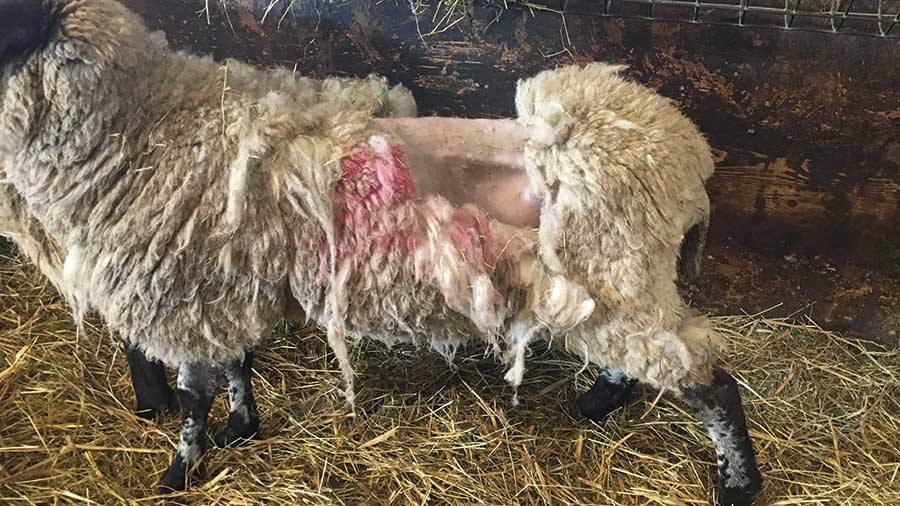
As a sheep breeder, it’s natural to worry about the health of your flock. While some diseases like brucellosis, blue tongue, and echinococcosi can’t be cured by breeders themselves, there are other common ailments that can be treated or managed in part by owners.
In our previous article, “Common Sheep Diseases,” we explored ways to prevent and treat ectima and pedaina, two very contagious diseases. Today, we’ll delve into mastitis and ruminant blockage – conditions that can significantly impact your flock’s health if left unaddressed.
Mastitis: The painful udder condition
Mastitis is a common issue in sheep farming, particularly among those producing dairy products. Characterized by painful, inflamed mammary glands, mastitis can lead to changes in milk consistency, color, and odor, making it undrinkable. This process of inflammation affects both the tissue and secretions (milk). Mastitis often occurs due to:
- Poor nutrition
- Traumatic injuries to the udder during milking or handling
- Inadequate sanitation practices in sheep husbandry
- Maladjusted hut conditions
To treat mastitis, it’s essential to address the underlying cause and take proactive steps. First, identify the behavior that triggered the condition and correct it. Regular milking of affected mammary glands (at least 4-5 times a day) is crucial. Additionally, feeding your sheep only coarse hay and providing plenty of water – even if this means using force-feeding methods like syringes or bottles with long, narrow spouts.
To promote healing, apply impacchi of clay and vinegar to the affected area regularly. Make sure the clay is moistened frequently as it dries out quickly. If mastitis symptoms don’t improve within 24 hours, consult a veterinarian.
Ruminant Blockage: The potentially deadly issue
Not a true disease but if left untreated, can lead to animal death. Typically, this condition arises when sheep graze for extended periods on fields where crops like oats or other grains have been recently harvested, leaving behind tempting residues. Alternatively, if your flock accesses the storage area for feed.
The first warning sign is the sheep’s persistent turning of its head toward the affected side, accompanied by discomfort and pain. Reduced rumination frequency may also be noticed: gently pressuring your hand or ear against the flank to detect a faint gurgling sound similar to water flowing – accompanied by swelling.
In advanced stages, the affected sheep might appear lethargic, eventually becoming immobile with its hindquarters pressed firmly onto the ground. To treat this condition, encourage your sheep to move around as much as possible (a few minutes every hour). Also, provide them with coarse hay to eat and consider administering 50 grams of magnesium hydroxide dissolved in warm water via a syringe or bottle. After ingestion, gently massage the rumen to stimulate digestion. Finally, introduce a rumen-acting plant-based supplement into their diet.
By understanding these common sheep diseases, you can take proactive steps to protect your flock’s health and well-being.
Preventing Mastitis
- Ensure proper udder hygiene: Regularly clean the udders with a mild detergent solution.
- Provide adequate nutrition: A balanced diet rich in vitamins and minerals is crucial for maintaining healthy mammary glands.
- Monitor milking frequency: Regular milking can help reduce the risk of mastitis by removing bacteria from the udder.
- Keep sheep socialized: Social interaction can help reduce stress, which contributes to mastitis.
Preventing Ruminant Blockage
- Provide adequate grazing management: Limit access to fields where crops have been recently harvested and ensure that your flock has a clean source of feed.
- Monitor storage conditions: Regularly inspect the storage area for feed to prevent contamination and spoilage.
- Offer regular exercise: Ensure that your sheep are able to move around freely, reducing the risk of ruminant blockage.
Frequently Asked Questions
- Can mastitis be prevented?
- Yes, by maintaining good sanitation practices, providing a balanced diet, and ensuring regular veterinary check-ups.
- How long does it take for mastitis to heal?
- Symptoms can improve within 24 hours if treated promptly. However, in some cases, it may take longer with proper care.
- What are the signs of ruminant blockage?
- Turning of the head toward the affected side, reduced rumination frequency, and gurgling sounds when pressing against the flank.
- How can I treat mastitis at home?
- Consult a veterinarian for professional guidance if symptoms persist or worsen over time.
- Can ruminant blockage be treated without surgery?
- Yes, by providing a balanced diet and using rumen-acting supplements.
If you’re looking to learn more about sheep health and care, check out our resources on Pecore Suffolk.
By understanding these common sheep diseases, you can take proactive steps to protect your flock’s health and well-being.


