
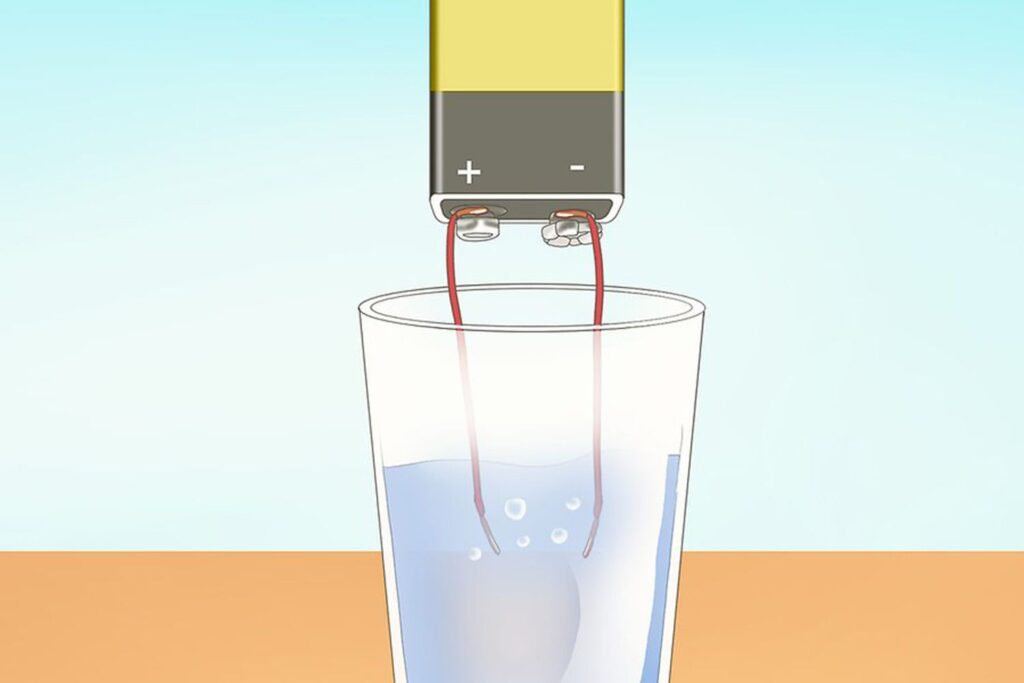
Have you ever wondered if it’s possible to produce hydrogen at home? In this article, we’ll guide you through a simple experiment that demonstrates the process of producing hydrogen gas using common household ingredients. Before we dive in, please note that it’s not recommended to conduct this experiment in an enclosed space, so let’s do it in a large and airy room or even better, outdoors!
Safety Precautions
Before we begin, make sure you follow these crucial safety guidelines:
- Wear protective gloves to avoid skin irritation from the soda caustica.
- Keep plenty of water nearby to rinse your hands and face.
- Use a mask to avoid inhaling the gas released during the reaction.
- Keep children and pets away from the experiment.
It’s also important to note that this experiment involves chemicals, so make sure you handle them carefully. If you’re unsure about any part of the process, consider consulting with a teacher or a professional before proceeding.
Materials Needed
To conduct this experiment, you’ll need:
- A glass container or jar
- Water
- Aluminum foil sheets
- Soda caustica (or sodium hydroxide)
- Protective gloves
- Mask
- Measuring cups
- Spoons
- Matches or a lighter
You can find soda caustica at most grocery stores or online, but make sure to handle it with care. Wear the gloves and mask to prevent any accidents.
Step-by-Step Instructions
Let’s get started!
- Put on your protective gear: Wear the gloves and mask to prevent any accidents.
- Prepare the container: Fill the glass container with about 1/3 of water, leaving enough space for the soda caustica mixture.
- Add the soda caustica: Pour in a spoonful of soda caustica into the water, stirring gently with a spoon.
- Wait for the reaction: Observe as the mixture starts to heat up and bubble. This is when the magic happens!
- Add aluminum spheres: Crush the aluminum foil sheets into small spheres and add them to the mixture. As soon as they’re in contact with the hot water, the hydrogen gas will start to be released.
- Light it up (safely): Use a match or lighter to ignite the hydrogen gas, which should produce a small flame.
What’s Happening Here?
So, what’s going on in this experiment?
The soda caustica reacts with water to form sodium hydroxide and release heat energy. As the mixture heats up, it creates steam, which carries the hydrogen gas into the air. When the aluminum spheres are added, they react with the hot water to produce more hydrogen gas, which is then released.
This reaction is called electrolysis, a process that uses an electric current to drive a chemical reaction. In this case, the soda caustica acts as the electrolyte, producing hydrogen gas and releasing it into the air.
Why Does This Experiment Work?
This experiment works because of the properties of the materials involved. Soda caustica is highly alkaline and can react with water to produce heat energy. The aluminum spheres are also involved in a chemical reaction when they come into contact with the hot water, which releases more hydrogen gas.
The process can be broken down into several steps:
- The soda caustica reacts with water to form sodium hydroxide (NaOH) and release heat energy.
- The heat energy creates steam, which carries the hydrogen gas into the air.
- The aluminum spheres react with the hot water to produce more hydrogen gas, releasing it into the air.
Tips and Variations
If you want to try more experiments like this, here are some tips:
- Make sure to conduct the experiment in an open space to avoid any accidents.
- Use a longer beaker or container to contain the reaction.
- Experiment with different ratios of soda caustica to water to see how it affects the reaction.
You can also try using different materials for the aluminum spheres, such as copper or steel. Just make sure they’re safe and won’t react with the hot water in any unexpected ways.
Conclusion
Producing hydrogen at home is not only fun but also educational. This experiment demonstrates the power of chemical reactions and electrolysis, making chemistry more accessible and interesting. So, next time you’re thinking about trying a new experiment, remember to always follow safety guidelines and conduct your experiments with care.
By understanding the principles behind this experiment, we can appreciate the complexity and beauty of chemical reactions. Who knows what other fascinating experiments await us?
FAQs
Here are some frequently asked questions related to this topic:
Q: Is it safe to produce hydrogen at home?
A: Yes, if you follow proper safety precautions and conduct the experiment in an open space.
Q: What is electrolysis?
A: Electrolysis is a chemical reaction that occurs when an electric current is passed through an electrolyte solution.
Q: Can I reuse the hydrogen gas produced in this experiment?
A: No, it’s not recommended to reuse or store hydrogen gas for extended periods. It’s best to use it immediately and follow proper safety guidelines.
Q: Is there a better way to produce hydrogen at home?
A: There are several methods to produce hydrogen at home, including using solar panels or electrolysis with batteries. However, these methods may require more equipment and expertise.
Q: Can I make this experiment safer for children?
A: Yes, you can simplify the experiment by removing some of the hazardous materials, such as the soda caustica, and conducting it in a supervised environment.
Q: Is there any environmental impact from producing hydrogen at home?
A: The environmental impact of producing hydrogen at home depends on the method used. If done with renewable energy sources, it can be a clean and sustainable way to produce hydrogen.
Q: Can I use this experiment as a teaching tool for students?
A: Absolutely! This experiment is an excellent way to introduce students to chemistry and electrolysis, making it an engaging and interactive learning experience.
Q: How do I store the equipment used in this experiment?
A: Make sure to clean and store each component separately, following proper safety guidelines when handling hazardous materials.


