
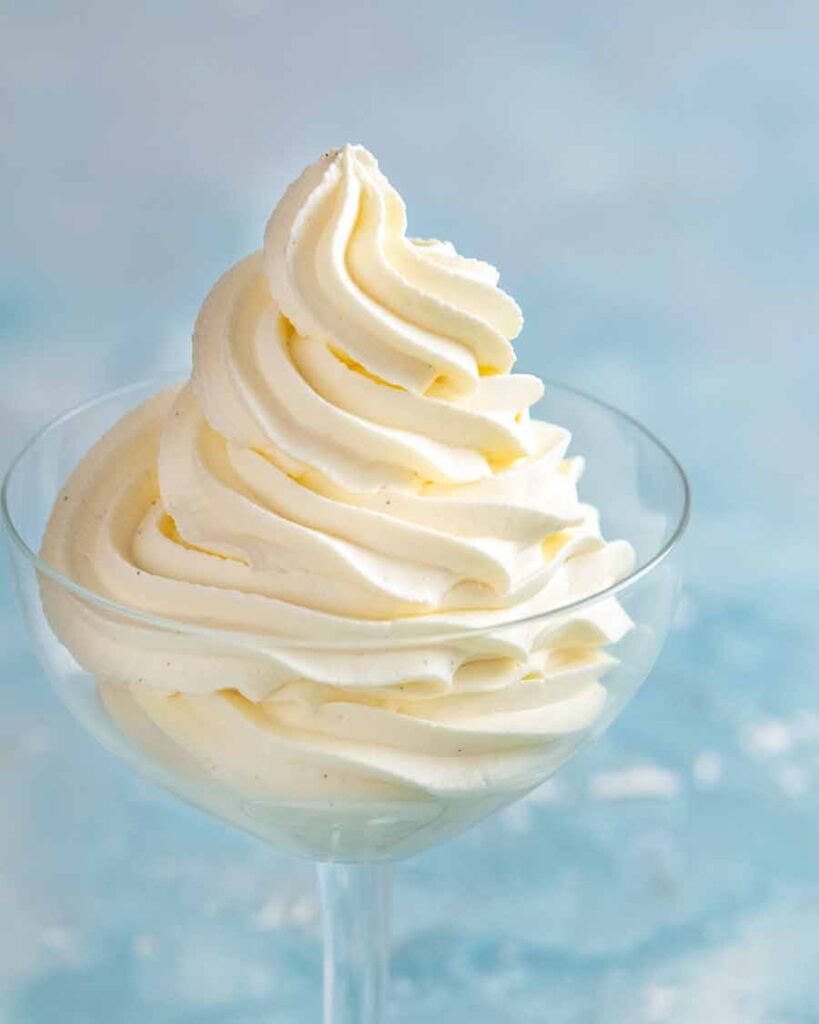
If you’re looking to take your baking to the next level, look no further than Chantilly cream. This luxurious filling is a staple in many high-end bakeries and pastry shops, and for good reason – it’s incredibly easy to make and adds an unparalleled level of sophistication to any dessert.
But have you ever wondered how this iconic French filling came to be? The answer lies with François Vatel, the legendary chef of the 17th century who worked at the Château de Chantilly, the ancestral home of the Prince of Condé. According to legend, Vatel created Chantilly cream as a way to impress his royal employer, and it quickly became a beloved favorite among French aristocrats.
So what makes Chantilly cream so special? For starters, it’s surprisingly simple to make – just three ingredients: heavy cream, vanilla beans, and granulated sugar. But despite its humble beginnings, Chantilly cream has remained a staple in the world of pastry-making for centuries, and its enduring popularity is a testament to its timeless appeal.
The History of Chantilly Cream
As mentioned earlier, Chantilly cream was first created by François Vatel in the 17th century. According to legend, Vatel was tasked with creating a special dessert for the Prince of Condé’s daughter’s birthday party. Vatel spent days experimenting with different ingredients and techniques before finally perfecting his signature Chantilly cream.
The name “Chantilly” is believed to have originated from the fact that the cream was first served at the Château de Chantilly, where it quickly became a favorite among the aristocracy. Over time, Chantilly cream spread throughout France and eventually made its way around the world, where it has become a beloved ingredient in many bakeries and pastry shops.
The Ingredients
Before we dive into the recipe itself, let’s take a look at what you’ll need to make authentic Chantilly cream. You’ll need:
- 1 vanilla bean
- 50 grams granulated sugar
- 250 ml heavy cream
You’ll also need a clean glass container with a tight-fitting lid.
The Preparation
Now that we have our ingredients, let’s get started! Here’s how to make Chantilly cream:
-
Vanilla Bean Selection
Before you begin, choose a high-quality vanilla bean that’s fresh and fragrant. You’ll need to remove the seeds from the pod, which can be done by carefully slicing the length of the bean with a sharp knife. -
Combining Cream and Vanilla
In a clean glass container, combine 250 ml of heavy cream with the sliced vanilla bean. Cover the container with a tight-fitting lid and refrigerate overnight (or for at least 2 hours). -
Filtration
The next day, remove the container from the refrigerator and carefully pour off any solidified cream that has formed on top. Discard this excess cream and reserve it for another use. -
Whipping
Using an electric mixer or whisk, whip the remaining heavy cream until it becomes stiff and forms soft peaks. Be careful not to over-whip, as this can result in a grainy texture. -
Sugar Addition
Once your cream has reached the desired consistency, add granulated sugar to taste. You may need to adjust the amount of sugar depending on your personal preference.
Tips and Variations
Here are a few additional tips to keep in mind when making Chantilly cream:
- Use high-quality ingredients: Fresh heavy cream and real vanilla beans make all the difference in the world.
- Don’t over-whip: Stop whipping once your cream has reached stiff peaks, as over-whipping can result in a grainy texture.
- Experiment with flavor combinations: Try adding different flavors to your Chantilly cream, such as lemon or orange zest, for a unique twist on the classic recipe.
Some popular variations of Chantilly cream include:
- Lemon Chantilly Cream: Add a few drops of lemon extract and a sprinkle of lemon zest to give your cream a bright and citrusy flavor.
- Coffee Chantilly Cream: Add a teaspoon of instant coffee powder to give your cream a rich and mocha-flavored dessert topping.
- Raspberry Chantilly Cream: Add a few tablespoons of raspberry jam and some fresh raspberries to create a sweet and fruity twist on the classic recipe.
Conclusion
Chantilly cream is more than just a fancy filling – it’s an art form that requires patience, skill, and attention to detail. But trust us when we say that the end result is well worth the effort. So go ahead, give this timeless recipe a try, and experience the magic of Chantilly cream for yourself.
Frequently Asked Questions
- Q: What’s the difference between Chantilly cream and whipped cream?
A: While both are light and airy desserts, Chantilly cream is made with heavy cream that has been infused with vanilla beans, giving it a rich and sophisticated flavor. - Q: Can I use different types of milk or cream in place of heavy cream?
A: No – while you can experiment with different ingredients, traditional Chantilly cream is made with heavy cream for its richness and texture. - Q: How long does Chantilly cream keep in the refrigerator?
A: Chantilly cream typically lasts for 24-48 hours when stored in an airtight container in the refrigerator. - Q: Can I make Chantilly cream ahead of time?
A: Yes – simply whip the cream just before serving, or refrigerate it overnight and whisk again before use. - Q: What’s the best way to serve Chantilly cream?
A: Traditionalists love using Chantilly cream as a topping for cakes, pastries, and fruit tartes, but feel free to experiment with your favorite desserts – the possibilities are endless!
Common Mistakes
Here are a few common mistakes that can ruin your Chantilly cream:
- Over-whipping: Stop whipping once your cream has reached stiff peaks, as over-whipping can result in a grainy texture.
- Insufficient chilling time: Make sure to refrigerate the mixture for at least 2 hours before whipping to allow the flavors to meld and the cream to chill.
- Using low-quality ingredients: Fresh heavy cream and real vanilla beans are essential for creating authentic Chantilly cream.
By avoiding these common mistakes, you’ll be well on your way to creating a delicious and elegant dessert topping that will impress even the most discerning palates. Happy baking!


