
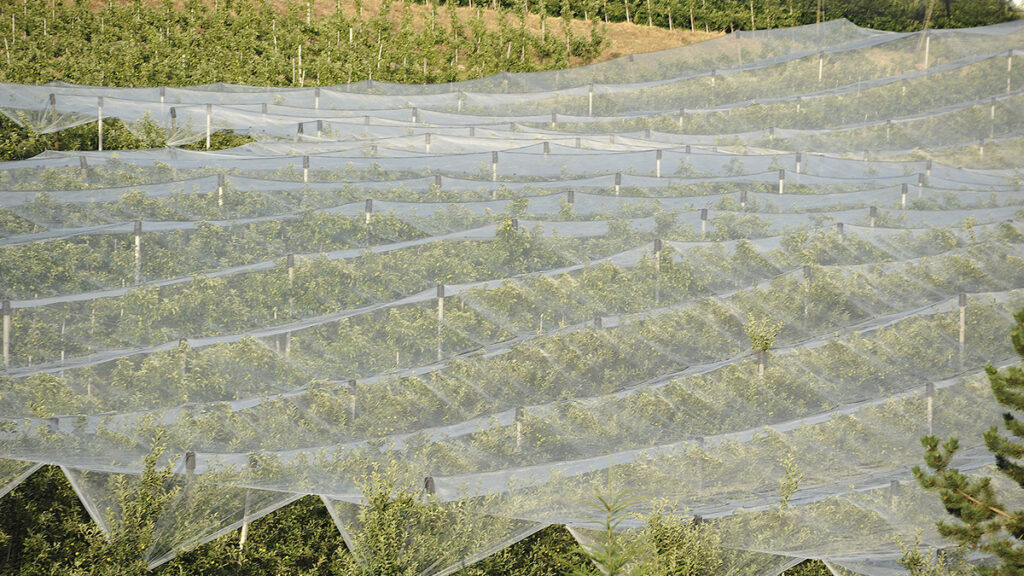
As an agriculturalist, you’re always on the lookout for ways to improve crop yields and reduce costs. One material that’s gained popularity in recent years is non-woven materials, also known as “TNT” (tessuto non tessuto). In this article, we’ll explore what non-woven materials are, their benefits, and how they can be used to protect your crops from the elements.
What is Non-Woven Material?
Non-woven material is a type of synthetic fabric made from polypropylene or polyester fibers. Unlike traditional woven fabrics, which have a specific pattern of threads, non-woven materials have a random arrangement of fibers that don’t interlock like they do in traditional textiles. This unique characteristic makes them lightweight and flexible.
Benefits of Non-Woven Materials
So, why are non-woven materials so beneficial for agriculture? Here are some key advantages:
- Lightweight: Non-woven materials weigh less than 40 grams per square meter, making them easy to handle and deploy on your crops.
- Insulation: The random arrangement of fibers in non-woven materials provides excellent insulation against cold temperatures, keeping your crops warm and protected from frost.
- Water-repellent: Non-woven materials can be treated to be water-repellent, preventing moisture from penetrating the fabric and reducing the risk of fungal diseases.
- Pest control: The loose weave of non-woven materials allows for good air circulation, which helps prevent pests like flies and rodents from nesting in the fabric.
Using Non-Woven Materials to Protect Your Crops
There are several ways to use non-woven materials to protect your crops:
- Mulching: Apply a layer of non-woven material directly on top of your crops to insulate them against cold temperatures.
- Covering: Use non-woven materials to cover individual plants or rows of plants, providing protection from wind, rain, and frost.
- Irrigation: Non-woven materials can be used as a channel for irrigation water, reducing evaporation and runoff.
Choosing the Right Non-Woven Material
When selecting a non-woven material for your agricultural needs, consider the following factors:
- Grammage: The weight of the material per square meter. A higher gramage provides better insulation but can be more expensive.
- Water-repellent treatment: Look for materials that have been treated with water-repellent coatings to prevent moisture from penetrating the fabric.
Types of Non-Woven Materials
There are several types of non-woven materials available, each with its own unique characteristics and benefits:
- Polypropylene (PP) non-woven material: Lightweight and flexible, PP non-woven materials are ideal for mulching and covering crops.
- Polyester (PET) non-woven material: More durable than PP non-woven materials, PET is suitable for longer-term applications like irrigation channels.
- Blended non-woven material: A combination of PP and PET fibers, blended non-woven materials offer a balance between weight and durability.
How to Care for Non-Woven Materials
To extend the lifespan of your non-woven materials:
- Regularly clean them with water to prevent damage.
- Avoid using harsh chemicals or abrasive cleaners that can degrade the material.
- Store them in a dry, protected area when not in use.
Conclusion
Non-woven materials offer a range of benefits for agricultural applications, including insulation, water-repellence, and pest control. By understanding the unique characteristics of non-woven materials and how they can be used to protect your crops, you can improve crop yields and reduce costs. Whether you’re looking to mulch individual plants or cover entire rows, non-woven materials are a versatile solution for agricultural protection.
Frequently Asked Questions
- What is the best way to clean non-woven material?
Non-woven materials should be cleaned gently with water to prevent damage to the fibers. Avoid using harsh chemicals or abrasive cleaners. - Can non-woven materials be reused?
Yes, non-woven materials can be reused multiple times if they are properly maintained and stored. Make sure to dry them thoroughly before storing. - What is the difference between a 17g/m2 and 30-50g/m2 non-woven material?
A higher gramage non-woven material provides better insulation against cold temperatures but can be more expensive. Choose a material with a lower gramage if you’re looking to save costs. - How do I choose the right water-repellent treatment for my non-woven material?
Look for materials that have been treated with water-repellent coatings, such as silicone or polyurethane. Avoid using untreated materials, as they may not provide sufficient protection against moisture.
By understanding the benefits and characteristics of non-woven materials, you can make informed decisions about how to protect your crops from the elements. Whether you’re a seasoned agriculturalist or just starting out, non-woven materials are an innovative solution for improving crop yields and reducing costs.


