
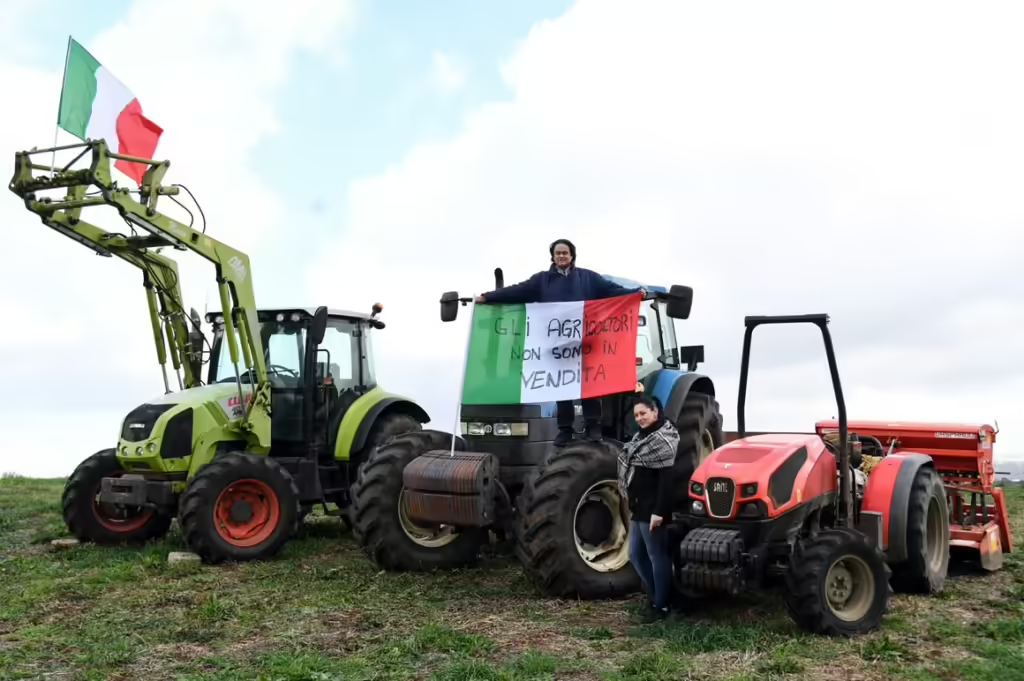
The Italian Agriculture: Fear of Multinational Corporations
Italian agriculture is afraid of international speculations. Consumers should also be worried: unfortunately, the awareness of what we eat has been lost, causing harm to human health, the environment, and national economy. What once frightened farmers was the presence of parasites and diseases affecting crops, now it’s the international speculation in the agro-food sector that terrifies them.
Grains, such as maize, wheat, soybeans, and cereals are the foundation of human nutrition and raw materials for producing feed for dairy cows and livestock meat production. Italian agriculture has always faced challenges like pests, plant diseases, and animal diseases, but recently, its biggest fear is international speculation that causes a “price volatility,” killing the agricultural market and environmental policies.
So, what does “price volatility” mean? The classic example in Italy is the price of wheat that saw dramatic swings from July 2010 to June 2011, with prices going from €20 per quintal to below €5 per quintal. At €20 per quintal, a constant price up until September 2010, set by the Bologna stock exchange, one of Italy’s most important grain exchanges, is more than enough for an Italian farmer to break even. This practical example shows how difficult it is for Italian agriculture to predict such price fluctuations.
The economic wealth surrounding raw materials and therefore agriculture is so high that it has caught the attention of large multinational corporations, which buy and sell grains just like other companies speculate on oil and coal. Of course, cereals are poor food sources and have nothing in common with fossil fuels but within a few years they’ve become central to international finance.
The reason? In China and India, cereal consumption per capita has dropped significantly, and the nations have drastically changed their eating habits in favor of meat-based diets. This change may seem “pointless,” but it’s given rise to another concerning phenomenon called “land grabbing” – literally “seizing control of land.” It refers to a competition among nations to acquire large tracts of land for agricultural purposes. Multinational corporations have started this trend known as the “neo-colonialism in agriculture,” first identified in 2007.
Data collected by Oxfam, an international organization fighting against global poverty injustice, between 2001 and today over 227 million hectares of land have been sold or transferred. To put it into perspective, imagine an area roughly equivalent to all of Western Europe North. This example clearly shows how important the agro-food sector is for multinational speculations.
The price volatility that affected Italian agriculture and led to agricultural biologism becoming a luxury good is due to these speculations.
Growing crops in the south of the world produces cheap food, which is then sold in western countries. Predicting security procedures in these areas is difficult but intensive farming and livestock farming can severely harm both human health and the environment with harmful emissions (toxic releases), pesticides, and herbicides released into the atmosphere. Additionally, intensive agriculture is used not only for food production but also for biofuels.
The solution for Italian agriculture? Like often, power lies in the hands of consumers. Farmers cannot do much other than adopt a more intensive cultivation strategy and agree with multinational corporations to keep prices stable.
However, by preferring local products, consumers can make a difference.
Key Takeaways:
- International speculation affects agricultural production worldwide
- The Italian agriculture sector is struggling due to volatility in grain prices.
- Global demand for grains has driven the rise of land grabbing and neo-colonialism in agriculture.
- Biofuels produced from intensive farming can harm human health and the environment.
Frequently Asked Questions (FAQs):
- What does “price volatility” mean?
- Price volatility refers to dramatic changes in prices, such as those seen in wheat prices in Italy between July 2010 and June 2011.
- Why is international speculation affecting Italian agriculture?
- International speculation drives grain prices up and down, making it difficult for farmers to predict and plan their crops.
- How does land grabbing affect the environment?
- Intensive farming can lead to deforestation, soil degradation, and water pollution, all of which harm the environment.
- Can consumers make a difference in addressing these issues?
- By preferring local products and supporting sustainable agriculture, consumers can help reduce demand for intensive farming and promote environmentally friendly practices.
- What is neo-colonialism in agriculture?
- Neo-colonialism in agriculture refers to the practice of multinational corporations acquiring large tracts of land in developing countries for agricultural purposes, often with negative environmental and social impacts.
- How can governments and international organizations help address these issues?
- Governments and international organizations can implement policies to promote sustainable agriculture practices, provide support for small-scale farmers, and regulate the activities of multinational corporations involved in land grabbing and neo-colonialism in agriculture.
- What are some solutions to the problem of price volatility in agricultural markets?
- Some potential solutions include implementing price supports or subsidies for farmers, regulating international speculation through financial instruments like carbon credits, and promoting local food systems.
- How can consumers help reduce their environmental impact through food choices?
- Consumers can make a positive difference by choosing locally sourced, organic, and sustainably produced foods whenever possible.


