
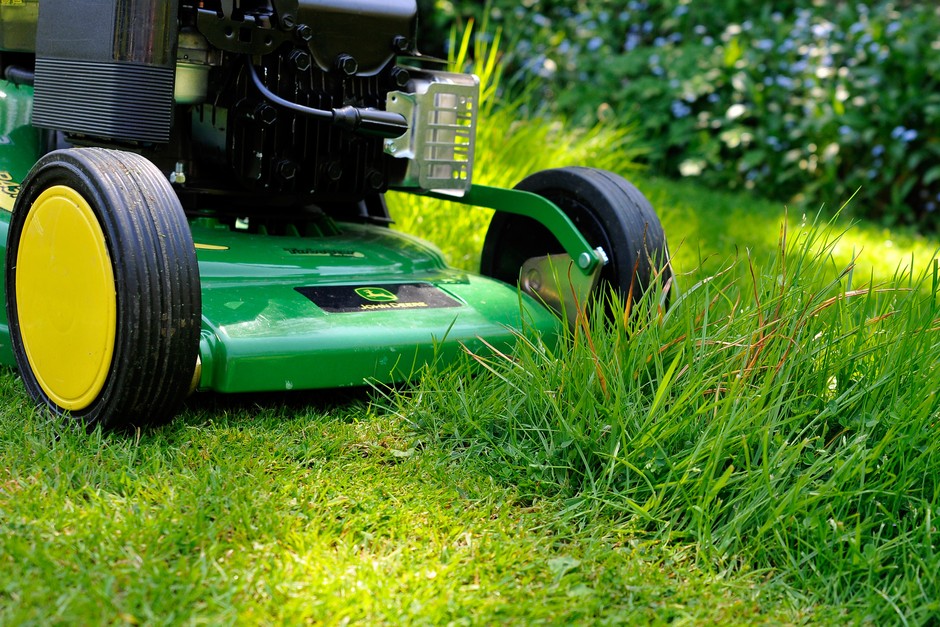
As the seasons change, your lawn needs attention. From mowing and fertilizing to controlling weeds and moss, lawn maintenance is a continuous process that requires regular effort. In this comprehensive guide, we’ll walk you through the essential steps to keep your lawn healthy, looking its best.
Understanding Lawn Maintenance
Lawn maintenance is a crucial aspect of outdoor care. It involves a range of tasks, including mowing, fertilizing, pruning, and pest control. The frequency and type of these tasks depend on factors such as climate, soil quality, and lawn type. Regular maintenance can help prevent common problems like moss growth, weed infestations, and disease.
Why is Lawn Maintenance Important?
Lawn maintenance serves several purposes:
- Maintains the aesthetic appeal of your outdoor space
- Ensures healthy grass growth and prevents weeds from taking over
- Reduces the risk of pest and disease outbreaks
- Enhances the value of your property
Seasonal Lawn Maintenance Tasks
To keep your lawn in top condition, you need to adapt your maintenance routine to the changing seasons:
- Spring Maintenance
- Clean up debris from winter (dead leaves, twigs, etc.)
- Aerate or dethatch to improve soil drainage and air circulation
- Fertilize with a spring fertilizer to promote new growth
- Summer Maintenance
- Maintain regular mowing schedules (about once a week)
- Control weeds using selective herbicides
- Monitor for pests like white grubs and chinch bugs
- Autumn Maintenance
- Clean up leaves and debris
- Apply a fall fertilizer to promote root growth
- Overseed bare spots or areas with thin grass
- Winter Maintenance
- Reduce mowing frequency (about once every 6-8 weeks)
- Protect your lawn from snow and ice using salt or sand
- Aerate in early spring to improve soil drainage
Common Lawn Problems and Solutions
Some common issues can be addressed through regular maintenance:
- Moss Growth: Fertilize with a moss-control product, and consider aerating to improve drainage.
- Weed Infestations: Control weeds using selective herbicides or manual removal.
- Disease: Use fungicides specifically designed for your lawn type.
Tips for Effective Lawn Maintenance
To get the most out of your lawn maintenance routine:
- Regularly inspect your lawn for signs of trouble
- Keep a record of your maintenance activities to track progress and identify areas for improvement
- Consider hiring a professional if you’re unsure about specific tasks or need customized advice
Additional Tips for Different Lawn Types
Different types of lawns require different maintenance routines. Here are some additional tips:
- Grassy Lawns
- Maintain mowing height at 2.5-3 inches
- Fertilize with a balanced fertilizer in spring and fall
- Water deeply but infrequently to promote deep root growth
- Turfgrass Lawns
- Maintain mowing height at 1-2 inches
- Fertilize with a high-nitrogen fertilizer in spring
- Water regularly, but avoid overwatering which can lead to disease
- Creeping Thyme or Low-Maintenance Lawns
- Maintain mowing height at 1 inch
- Fertilize sparingly in spring and fall
- Water lightly, as these lawns are adapted to low water needs
How to Choose the Right Lawn Mower
Choosing the right lawn mower is crucial for effective maintenance. Here are some factors to consider:
- Type of Mower: Gas-powered mowers are more common but may produce noise and emissions. Electric or battery-operated mowers are quieter and more environmentally friendly.
- Mowing Height: Adjust your mower height according to your grass type and growth stage.
- Blade Type: Choose a blade with sharp, replaceable blades for optimal cutting performance.
Lawn Care Tools You’ll Need
To maintain your lawn effectively, you’ll need the following tools:
- Lawn mower
- Rake or dethatching rake
- Aerator or aerating fork
- Fertilizer spreader
- Weed control product (herbicide)
- Pruning shears


