
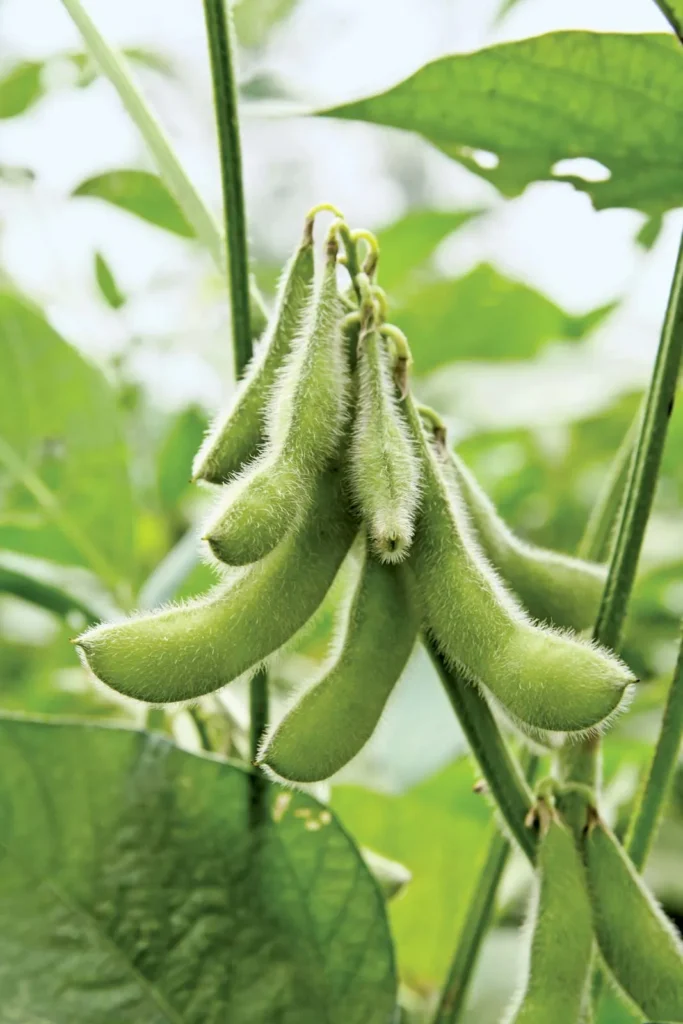
What is Soy?
Soy, also known as soybeans, refers to the seeds of the Glycine max plant. The soybean plant is a legume that originated in Asia and is widely cultivated for its multiple uses in food and animal feed. Soybeans are an excellent source of protein, fiber, and various essential nutrients, making them a staple crop in many parts of the world.
Growing Soybeans
Soybean cultivation is widespread due to its use in producing oil, plant-based milk, meat alternatives, sauces, fermented products, tofu, germinated soybeans, animal feed, and many other products. The primary producers of soy are the United States (covering 32% of global production), Brazil (31%), and Argentina (18%). These countries have favorable climates, soil conditions, and market demand for soybean products.
Optimal Growing Conditions
The ideal climate for growing soybeans is characterized by mild temperatures between 20°C and 30°C. Temperatures below 20°C significantly slow down growth, while high temperatures can lead to drought stress and reduced yields. Soybeans also require adequate moisture, with annual rainfall of at least 600 mm (24 in) recommended.
Soybean Varieties
There are two main types of soybeans: Glycine max (soybean cultivation) and Glycine soja (wild soybean). Both species have an annual cycle. The wild soybean is considered the ancestor of the cultivated soybean. Selective breeding has resulted in various varieties from the wild soybean, each with its unique characteristics and uses.
Photos
[Insert photos of different soybean varieties]
Important Note
The green soybean is not a variety obtained through cross-breeding. Green soybeans are a separate species that will be discussed later, as they share similar uses and cultivation methods but are unrelated to the yellow soybean.
Soybean Flowers
Photos of soybean flowers show that they are typically inconspicuous and often appear as axillary (side) flowers. The flowers of soybeans are self-fertile and can be pink, purple (as shown), or white. These small flowers are an essential part of the plant’s life cycle, allowing for pollination and seed production.
Types of Soybean Growth
Similar to tomatoes, soybeans come in two types: determinate and indeterminate growth. Determinate soybeans stop growing after flowering, while indeterminate varieties continue producing nodes even after blooming. This characteristic allows farmers to harvest the crop at optimal maturity, ensuring maximum yield and quality.
Soybean Losses
As a general rule, soybean plants shed their leaves before the seeds are fully mature. The fruit is a long, cylindrical pod that typically contains 2-4 seeds. Soybean seeds can range in diameter from 5 to 11 mm and come in various colors: black, brown, yellow (the classic variety), and rarely blue. Regular monitoring of plant health and timely harvesting help minimize losses due to disease, pests, or environmental stressors.
Soybeans as Legumes
Like all legumes, soybeans have the ability to fix nitrogen from its atmospheric gaseous form using symbiotic bacteria that inhabit the roots of the plant. This process, known as nitrogen fixation, is essential for soil fertility and supports other crops grown in rotation with soybeans.
Green Soybeans or Mung Beans?
As mentioned earlier, green soybeans are not a cultivated variety. They are actually derived from the Vigna radiata species, also known as mung beans. For more information on green soybeans (cultivation, nutritional values, and culinary uses), please visit our “Soybeans or Mung Beans” page.
Conclusion
The soybean plant is a versatile legume with multiple applications in food and animal feed production. Understanding its growth habits, cultivation requirements, and varieties can help you better appreciate the importance of this crop. From its use as a protein source to its role in sustainable agriculture, soybeans play a vital part in global food systems.
Frequently Asked Questions
-
What are the main producers of soy?
The primary soybean-producing countries are the United States (covering 32% of global production), Brazil (31%), and Argentina (18%). -
What is the optimal growing temperature for soybeans?
Soybeans grow best in temperatures between 20°C and 30°C. -
Are green soybeans a variety of soybean?
No, green soybeans are not a cultivated variety but rather come from the Vigna radiata species, also known as mung beans. -
What is the purpose of legumes in plants?
Legumes have the ability to fix nitrogen from its atmospheric gaseous form using symbiotic bacteria that inhabit the roots of the plant. -
Can soybeans be grown outside their native climate zone?
Yes, soybeans can be grown in other climates, but optimal growth requires a mild temperature range between 20°C and 30°C. -
What are some common uses for green soybeans?
Green soybeans (also known as mung beans) have various culinary applications and are a nutritious addition to many dishes. -
Why is it necessary to breed soybean varieties?
Selective breeding has improved the nutritional content, yield, and disease resistance of cultivated soybean varieties compared to their wild counterparts. -
How can I cultivate green soybeans at home?
Green soybeans are typically grown in Asia and require specific soil conditions. If you’re interested in growing mung beans or learning more about cultivation methods, visit our “Green Soybeans or Mung Beans” page.
Additional Information
- Soybeans have various uses beyond food and feed, such as bioplastics, cosmetics, and biofuels.
- Research on soybean genetics has led to the development of drought-tolerant varieties, which can improve yields in water-scarce regions.
- The global demand for soybeans is projected to increase by 15% by 2025 due to growing populations and changing diets.
By understanding the intricacies of soybean cultivation and its applications, we can better appreciate the importance of this versatile legume in our food systems. Whether you’re a farmer, chef, or consumer, the soybean plant has much to offer – from nutritional benefits to sustainable agriculture practices.


