
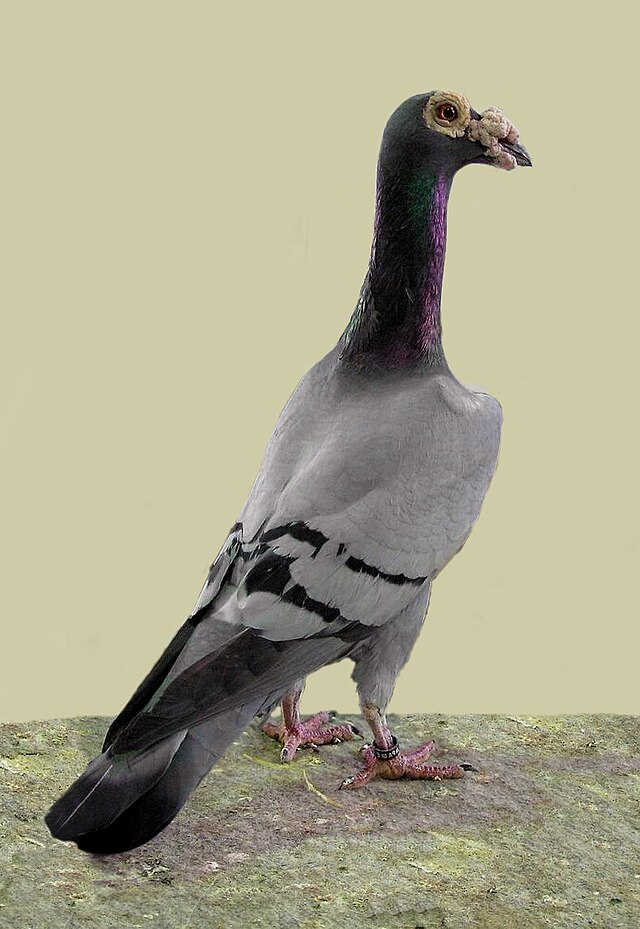
As we go about our daily lives, it’s easy to overlook the incredible feats of birds like pigeons. But these feathered friends have played a significant role in human history, serving as messengers, spies, and even heroes. In this article, we’ll delve into the fascinating world of homing pigeons, exploring their unique abilities, uses throughout history, and why they remain an important part of our lives today.
What is a Homing Pigeon?
A homing pigeon, also known as a carrier pigeon or rock dove, is a domesticated bird species (Columba livia domestica) renowned for its exceptional navigation skills. These pigeons have been selectively bred over centuries to excel in finding their way back home, often covering vast distances with remarkable accuracy.
The Science Behind Homing Pigeons
So, how do homing pigeons manage to find their way back home? The answer lies in a combination of innate abilities and environmental cues. Pigeons possess an internal compass that allows them to detect the Earth’s magnetic field, which they use to orient themselves. They also have an impressive sense of smell, which helps them recognize the scent of their nesting site.
Imagine having an internal GPS system that can pinpoint your location with incredible accuracy, not just in terms of distance but also in relation to your surroundings. This is the remarkable ability of homing pigeons!
A Brief History of Homing Pigeons
The use of homing pigeons dates back thousands of years, with evidence of their employment in ancient civilizations such as Egypt and Greece. In fact, during World War I, pigeons played a crucial role in military communication, serving as messengers between troops on the front lines.
One notable example is Paddy, a homing pigeon that delivered the first news of D-Day on June 6, 1944. Paddy flew over 370 kilometers (230 miles) in just five hours to reach its home in England, delivering vital information about the Allied invasion of Normandy.
Modern-Day Applications
While the role of pigeons in military communication has largely been replaced by modern technology, they continue to be used in various fields:
- Message delivery: Pigeons are still used to deliver messages, especially in areas where infrastructure is limited or non-existent.
- Research: Scientists study homing pigeons to understand their navigation abilities and develop new technologies inspired by nature.
- Therapy: Trained pigeons are used in animal-assisted therapy programs, providing comfort and emotional support to people with disabilities.
Competitive Homing
The world of competitive homing is a fascinating arena where pigeons are trained and flown to incredible distances. The Guinness World Record for the longest distance flown by a homing pigeon stands at 3,193 kilometers (1,980 miles), achieved by a bird named Giselle in 2000.
Myths and Misconceptions
One common misconception about homing pigeons is that they are “magical” or possess supernatural abilities. However, their remarkable navigation skills can be explained by a combination of innate talents and environmental factors.
Another myth claims that corvids (crows, ravens, and jays) have a similar ability to homing pigeons. While corvids are intelligent birds, they do not possess the same level of navigation expertise as pigeons.
The Importance of Homing Pigeons in Modern Society
Homing pigeons continue to play an important role in modern society, serving as a symbol of resilience and determination. They have inspired countless books, films, and documentaries, cementing their place in popular culture.
In addition, the study of homing pigeons has led to breakthroughs in fields such as navigation, aerodynamics, and animal behavior. Their remarkable abilities have also sparked interest in conservation efforts, highlighting the importance of protecting our natural world.
Conclusion
Homing pigeons are truly remarkable creatures that have captured our imagination for centuries. Their incredible abilities to navigate and find their way back home have inspired scientists, researchers, and even military leaders throughout history. While technology has advanced significantly, pigeons remain an important part of our lives, serving as a testament to the power of nature and innovation.
Frequently Asked Questions (FAQs)
Q: Are homing pigeons truly magical?
A: No, their remarkable navigation skills can be explained by a combination of innate talents and environmental factors.
Q: Can corvids fly long distances like homing pigeons?
A: While corvids are intelligent birds, they do not possess the same level of navigation expertise as pigeons.
Q: Are homing pigeons used in modern warfare?
A: Although their role in military communication has largely been replaced by technology, pigeons continue to be used in limited capacity due to their exceptional abilities and adaptability.
Q: Can I train my own homing pigeon?
A: Yes, with patience, dedication, and proper training, you can teach your pigeon to fly long distances and return home accurately.
Q: Are there any health benefits associated with interacting with pigeons?
A: Animal-assisted therapy programs involving pigeons have been shown to provide emotional support and comfort to people with disabilities.
Q: Can I keep a homing pigeon as a pet?
A: Yes, but it requires significant time commitment, proper care, and understanding of the bird’s needs and behavior.


