
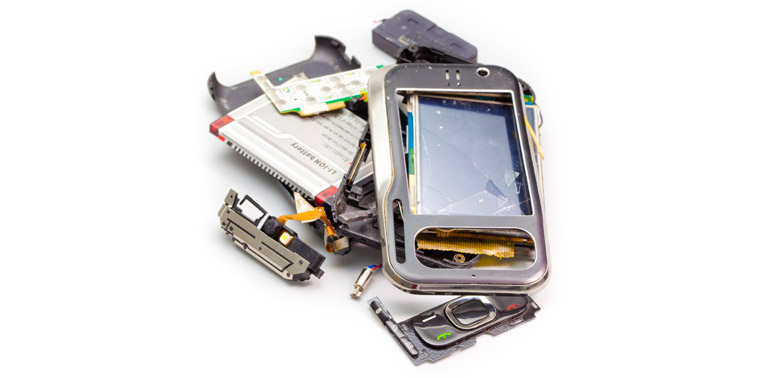
As we go about our daily lives, it’s easy to overlook the tiny components that make our smartphones and computers tick. But have you ever stopped to think about the materials that power your device? Specifically, the rare earth elements (REEs) that are used in battery production?
What Are Rare Earth Elements?
Rare earth elements are a group of 17 chemical elements that are crucial for many modern technologies, including smartphones, laptops, and electric vehicles. Some of these elements, like neodymium and dysprosium, are highly prized for their magnetic properties and are used in everything from wind turbines to hard drives.
The Problem with Rare Earth Elements
Unfortunately, the extraction process for REEs is a costly, energy-intensive, and environmentally devastating one. The world’s largest producer of REEs, China, controls 97% of the market, which has led to concerns about supply chain security and sustainability.
Why Recycling Is the Answer
So what can we do? One solution is to recycle old smartphones and other electronic waste (e-waste) for their rare earth elements. By doing so, we reduce our reliance on imported REEs from China and lower our carbon footprint. Plus, recycling e-waste helps to conserve natural resources and minimize environmental damage.
The Benefits of Recycling Rare Earth Elements
So what are the benefits of recycling REEs from e-waste? Here are a few:
- Reduced environmental impact: By reusing materials that would otherwise be sent to landfills or incinerated, we reduce our carbon footprint and protect natural resources.
- Increased supply chain security: Recycling REEs locally can help to diversify supply chains and reduce dependence on imported materials from countries like China.
- Cost savings: Recycling e-waste can help to reduce production costs by recovering valuable materials that would otherwise be wasted.
The State of Recycling in Italy
So how does Italy fare when it comes to recycling e-waste? The country has made significant strides in recent years, with a focus on reducing waste and promoting sustainable practices. Here are some encouraging statistics:
- 4 out of 25 kg of household waste: In Italy, an average of just 4% of household waste is recycled.
- 150 recycling facilities: There are over 150 recycling facilities across Italy that specialize in e-waste recycling.
Challenges and Opportunities
While there are many benefits to recycling REEs from e-waste, there are also challenges to overcome. For example:
- Limited capacity: Currently, only a small fraction of Italy’s e-waste recycling facilities have the capability to extract rare earth elements.
- Technological advancements: The development of new technologies is crucial for improving the efficiency and effectiveness of REE recovery from e-waste.
Conclusion
As we move forward in our increasingly digital lives, it’s essential that we prioritize sustainability and environmental responsibility. By recycling rare earth elements from old smartphones and other electronic waste, we can reduce our reliance on imported materials, lower our carbon footprint, and promote a more circular economy.
Frequently Asked Questions
- What are the most common rare earth elements found in e-waste?
- Neodymium (Nd) and dysprosium (Dy) are two of the most commonly recovered REEs from e-waste.
- How do I recycle my old smartphone or other electronic devices?
- Contact a local recycling facility that accepts e-waste, such as those listed on the Italian Environmental Protection Agency’s website.
- Can anyone recycle rare earth elements?
- No, only specialized facilities with the necessary technology and expertise can recover REEs from e-waste.
By working together to promote sustainability and environmental responsibility, we can create a better future for ourselves and for generations to come.


