
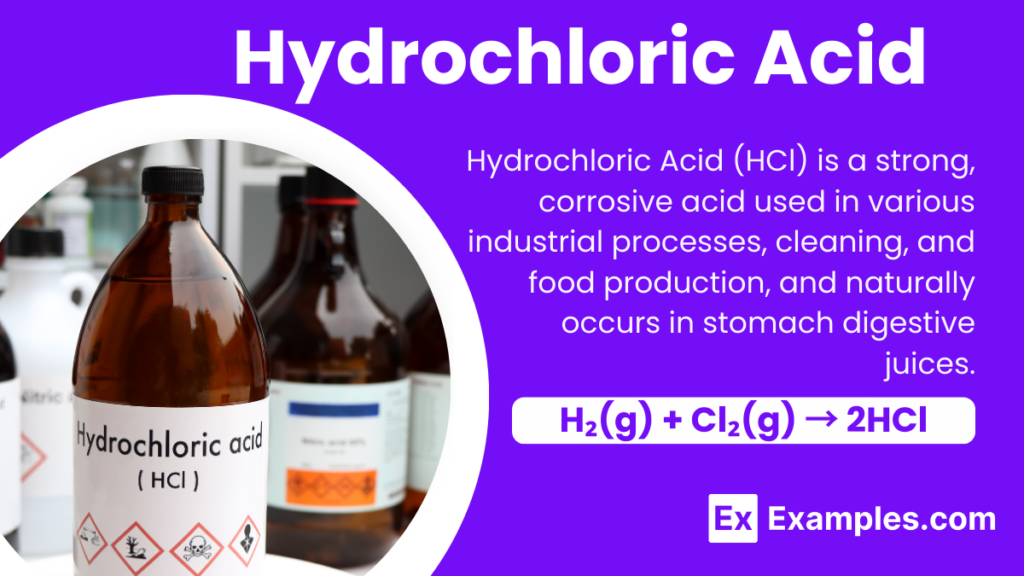
Hydrochloric acid, commonly referred to as HCl, is a strong mineral acid composed of only two elements: hydrogen and chlorine. This potent substance has been utilized in various industries for its unique properties and applications.
What is Hydrochloric Acid?
In essence, hydrochloric acid is a solution of this compound dissolved in water. It’s essential to note that the term “acido cloridrico” might be misinterpreted as being equivalent to hydrochloric acid. However, they are not one and the same; acido cloridrico refers specifically to a solute or mixture of HCl and water.
The Chemical Formula of Hydrochloric Acid
The chemical formula for hydrochloric acid is HCl, which consists of two elements: hydrogen (H) and chlorine (Cl). The molecule is relatively simple yet possesses remarkable properties due to the strong bond between these two elements. This compound can also be known as acido muriatico, acido marino, or simply spirits of salt.
Industrial Applications of Hydrochloric Acid
Hydrochloric acid plays a vital role in numerous sectors due to its versatility and unique properties. Some notable applications include:
- Treating minerals and ores
- Processing metals
- Manufacturing plastics and rubber
- Laboratory reagents
It’s also used as a cleaning agent and even as an additive in food products.
Where is Hydrochloric Acid Found?
This potent substance can be found naturally, for example during volcanic eruptions. Additionally, it exists in the human body, albeit in small quantities. It serves as a digestive aid in our stomachs, allowing us to break down food efficiently.
Hydrochloric acid is also commercially available at most supermarkets and online retailers, often sold in 1-liter or larger bottles for use in cleaning and household purposes.
The Dangers of Hydrochloric Acid
It’s crucial to acknowledge the risks associated with hydrochloric acid. This substance can cause severe damage if not handled properly due to its high corrosiveness and potential to irritate sensitive areas like eyes, skin, and respiratory systems.
- When exposed for short periods, symptoms may include eye irritation and throat discomfort.
- Prolonged exposure can lead to more severe issues, such as:
- Bronchial irritation
- Inflammation of the throat and mouth
- Damage to teeth and gums
Furthermore, hydrochloric acid contributes to air pollution when released into the environment during manufacturing processes. This can have detrimental effects on ecosystems over time.
Frequently Asked Questions
Here are some common questions related to hydrochloric acid:
- Q: Is hydrochloric acid safe for use in households?
- A: While it’s available for commercial purchase, proper handling and storage are crucial to avoid accidents.
- Q: Can I ingest hydrochloric acid?
- A: No, it is not safe for human consumption due to its corrosive properties.
- Q: How can I protect myself from the dangers of hydrochloric acid?
- A: Wear protective gear, follow safety guidelines, and store the substance properly.
By understanding the power and perils of hydrochloric acid, we can harness its benefits while minimizing risks. Proper handling, storage, and use are essential to ensure a safe and efficient experience with this potent substance.
Precautions for Handling Hydrochloric Acid
When working with hydrochloric acid, it’s crucial to take necessary precautions:
- Wear protective gear: Wear gloves, goggles, and a mask to prevent skin contact, eye irritation, and inhalation of fumes.
- Use proper ventilation: Ensure good airflow in the workspace to prevent inhalation of vapors.
- Follow safety guidelines: Read and follow instructions on the label or consult with experts for specific applications.
Safe Storage and Disposal
Proper storage and disposal are crucial to minimize risks associated with hydrochloric acid:
- Store in a safe location: Keep the substance away from heat sources, children, and pets.
- Use leak-proof containers: Store the substance in leak-proof containers or bottles to prevent spills.
- Dispose of properly: Dispose of used containers and substances according to local regulations and guidelines.
Regulations and Laws
Hydrochloric acid is regulated by various laws and guidelines:
- OSHA regulations: The Occupational Safety and Health Administration (OSHA) sets standards for handling hazardous substances, including hydrochloric acid.
- Local regulations: Check with local authorities to determine specific regulations and guidelines for handling and disposing of hydrochloric acid.
By understanding the power and perils of hydrochloric acid, we can harness its benefits while minimizing risks. Proper handling, storage, and use are essential to ensure a safe and efficient experience with this potent substance.
Conclusion
Hydrochloric acid is a versatile and powerful substance with various applications in industries and daily life. While it poses risks if not handled properly, understanding its properties and taking necessary precautions can help minimize dangers. By following safety guidelines, storing substances safely, and adhering to regulations, we can ensure a safe and efficient experience with hydrochloric acid.
Further Resources
For more information on hydrochloric acid, consult the following resources:
- National Institute for Occupational Safety and Health (NIOSH): Provides guidelines and standards for handling hazardous substances.
- Environmental Protection Agency (EPA): Offers information on environmental regulations and guidelines for handling chemicals.
- Local authorities: Check with local authorities to determine specific regulations and guidelines for handling and disposing of hydrochloric acid.
By expanding our knowledge on hydrochloric acid, we can appreciate its power and perils while ensuring a safe and responsible use.


