
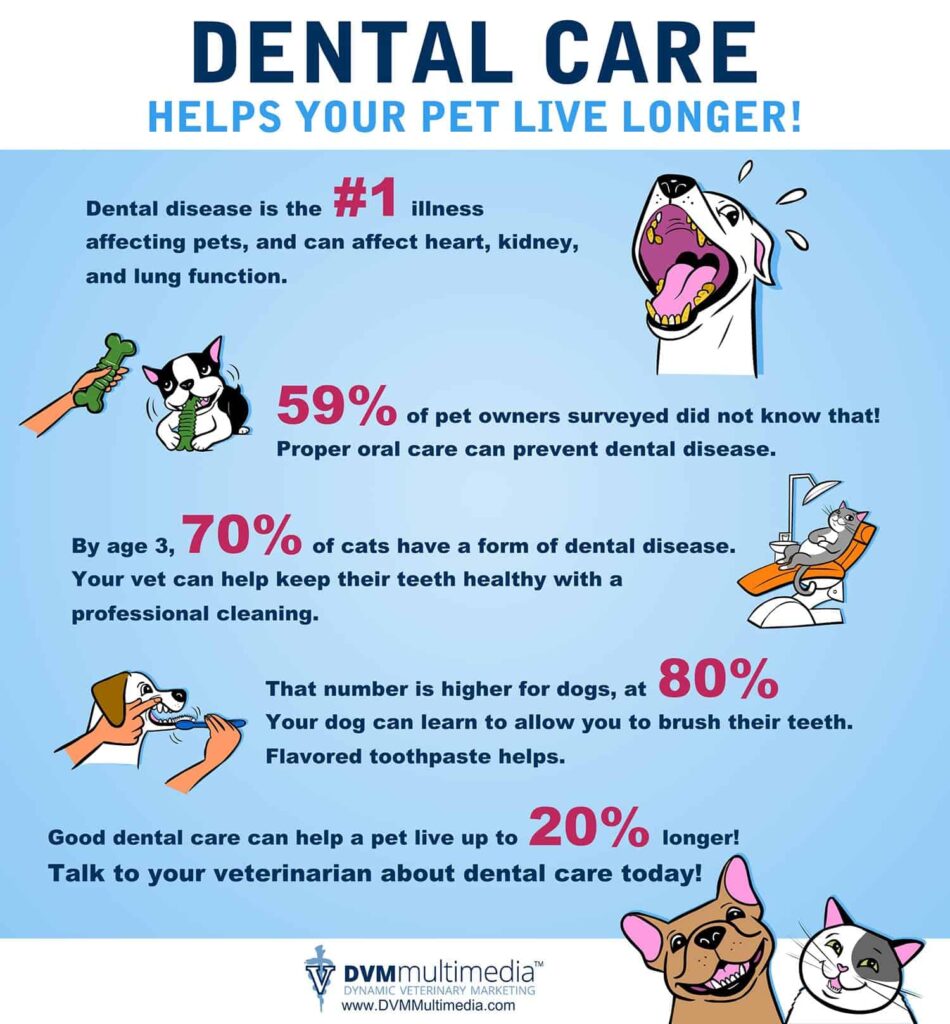
As dog owners, it’s essential to prioritize our furry friends’ oral health. Regular brushing, dental care, and a balanced diet can make all the difference in maintaining a healthy smile for your canine companion. In this article, we’ll delve into the importance of oral hygiene in dogs, exploring its benefits, challenges, and common issues that can arise.
Understanding Canine Oral Health
Dogs have an instinctual tendency to chew on hard objects, which helps keep their teeth clean and healthy. However, if left unchecked, poor oral health can lead to a range of problems, including tartar buildup, gum disease, and tooth loss.
The Role of Diet in Oral Hygiene
A dog’s diet plays a significant role in maintaining good oral health. A balanced diet that includes chewy foods, such as raw bones or dental chews, can help reduce tartar buildup and promote healthy gums. On the other hand, a diet high in sugar and processed foods can contribute to tooth decay and gum disease.
Using the Right Tools for the Job
Choosing the right tools for your dog’s oral care is crucial. Spitzula and dentifrice specifically designed for dogs are available, but it’s essential to choose products that are gentle on their gums and won’t cause discomfort. Some popular options include:
- Dog-specific toothbrushes with soft bristles
- Dental chews or treats that promote healthy chewing habits
- Water additives or misters that help reduce tartar buildup
Regular Brushing: A Must for Healthy Gums
Brushing your dog’s teeth regularly can help remove plaque and tartar, reducing the risk of gum disease. However, it’s crucial to introduce brushing at an early age to avoid any anxiety or fear associated with the process. Here are some tips to make brushing a positive experience:
- Introduce gentle touch and exploration from an early age
- Use a toothbrush specifically designed for dogs, with soft bristles that won’t irritate their gums
- Start with short sessions (30 seconds to 1 minute) and gradually increase duration as your dog becomes more comfortable
Common Issues Arising from Poor Oral Hygiene
Poor oral hygiene can lead to a range of problems in dogs, including:
- Tartar buildup and gum recession: A sticky film of bacteria and tartar can form on teeth, leading to inflammation and infection.
- Periodontal disease (gum inflammation): As tartar builds up, it can cause gums to become red, swollen, and painful.
- Tooth loss: If left untreated, periodontal disease can lead to tooth loss, which can affect your dog’s overall health and quality of life.
The Impact on Overall Health
Poor oral hygiene can have a significant impact on your dog’s overall health, including:
- Heart disease: Research has shown that there may be a link between gum disease and heart disease in dogs.
- Respiratory problems: Tartar buildup can lead to inflammation in the respiratory tract, causing coughing, sneezing, and other issues.
- Diabetes: Studies have found that dogs with periodontal disease are more likely to develop diabetes.
- Weight gain and obesity: Poor oral health can contribute to weight gain and obesity, which can further exacerbate dental problems.
By prioritizing your dog’s oral health, you’re not only ensuring a healthy smile but also improving their quality of life. Regular brushing, dental care, and a balanced diet can make all the difference in maintaining good oral hygiene for your furry friend.
Frequently Asked Questions
- Q: Why is oral hygiene important for dogs?
A: Regular brushing, dental care, and a balanced diet can help prevent tartar buildup, gum disease, and tooth loss. - Q: How often should I brush my dog’s teeth?
A: Introduce brushing at an early age and aim to brush your dog’s teeth daily. - Q: What are the common issues associated with poor oral hygiene in dogs?
A: Tartar buildup, gum recession, periodontal disease, tooth loss, bad breath, digestive issues, heart disease, respiratory problems, diabetes, weight gain, and obesity. - Q: How can I prevent oral health issues in my dog?
A: Regular brushing, dental care, a balanced diet, choosing the right tools for the job, introducing brushing at an early age, and maintaining good oral hygiene practices. - Q: Can poor oral hygiene lead to other health problems in dogs?
A: Yes, it can contribute to digestive issues, heart disease, respiratory problems, diabetes, weight gain, and obesity.
By understanding the importance of oral hygiene in dogs and taking proactive steps to maintain their dental health, you’re investing in your furry friend’s overall well-being. Regular brushing, dental care, and a balanced diet can make all the difference in maintaining good oral hygiene for your dog.
Additional Tips
- Schedule regular dental check-ups with your veterinarian to monitor your dog’s oral health.
- Keep an eye out for signs of poor oral health, such as bad breath, yellow or brown teeth, or red, swollen gums.
- Avoid overindulging in treats or table scraps, which can contribute to tooth decay and gum disease.
- Consider adding a dental chews or water additives to your dog’s diet to help reduce tartar buildup.
By following these tips and prioritizing your dog’s oral health, you’re ensuring a healthy smile and improving their overall quality of life.


