
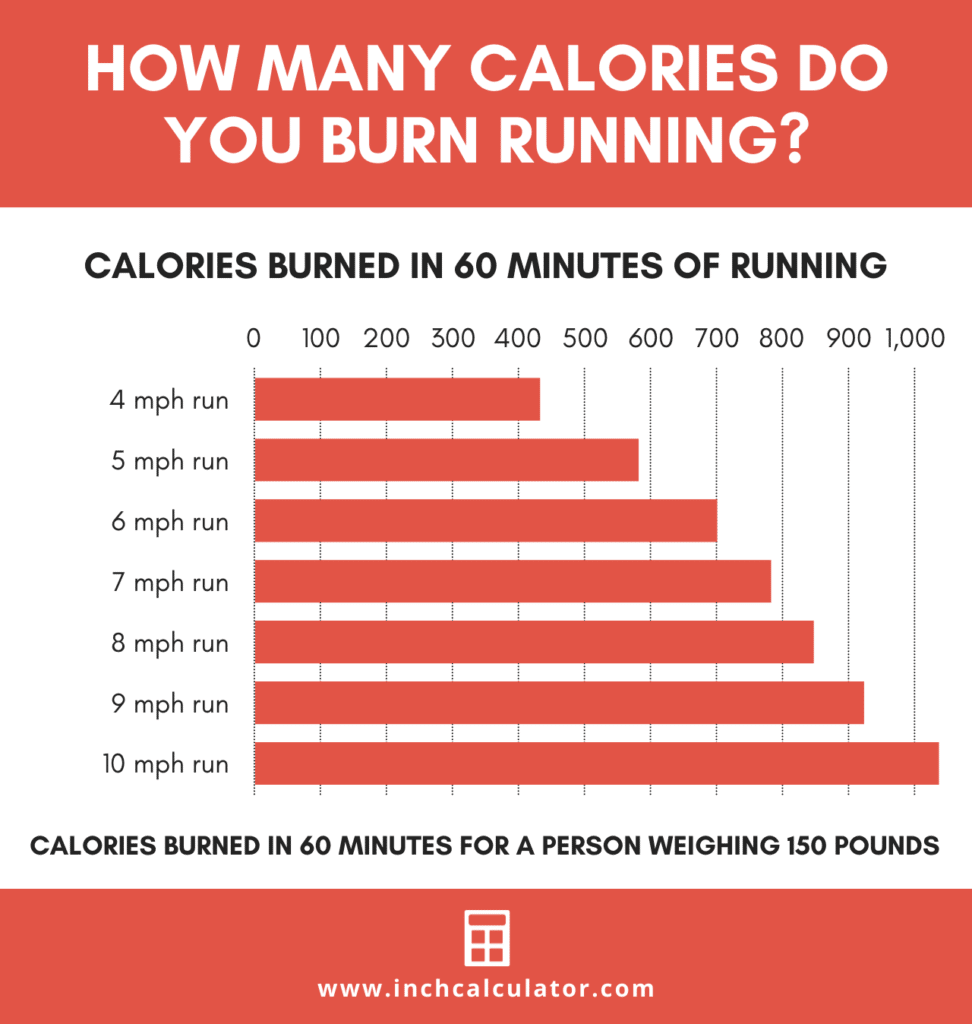
Are you wondering how many calories are burned while running? You’re not alone! Many people want to lose weight or improve their overall health by incorporating exercise into their daily routine. But have you ever stopped to think about the actual caloric expenditure of running?
Before we dive in, let’s get a quick answer: approximately 1 kilocalorie is burned per kilogram of body weight for every kilometer run. For example, a 70 kg person would burn around 70 Kcal for each km they run.
However, this is just the beginning. To accurately estimate calorie burn while running, we need to consider several factors that can significantly impact our caloric expenditure. Let’s explore these factors and learn how to calculate calorie burn with greater accuracy.
Factors That Affect Calorie Burn While Running
- Level of Training: If you’re a seasoned runner or have undergone rigorous training, your body becomes more efficient at burning calories while running. This is because your muscles become more adaptable to the demands of exercise.
For instance, studies have shown that experienced runners can burn up to 10% fewer calories than less-experienced runners during the same workout. However, it’s essential to note that this adaptation takes time and consistent training.
- Temperature and Humidity: Higher temperatures and humidity levels can increase calorie burn due to increased sweating and energy expenditure. However, be cautious not to overexert yourself in extreme weather conditions!
Research suggests that running in hot and humid environments can lead to increased heat stress, which may negatively impact performance and caloric burn.
- Posture and Running Technique: Poor posture and running technique can lead to wasted energy and reduced caloric expenditure. Focus on proper form and alignment to optimize your run.
Proper running technique involves maintaining good posture, landing midfoot or forefoot when hitting the ground, and keeping your arms relaxed by your sides. This will help you burn calories more efficiently while reducing the risk of injury.
- Pace and Intensity: A slower pace may burn fewer calories, but it’s also a great way to build endurance and improve overall fitness. Aim for a balance between intensity and duration.
Studies have shown that running at moderate intensities (around 60-70% of maximum effort) can be more effective for weight loss than high-intensity interval training (HIIT). However, HIIT can still be beneficial for improving cardiovascular fitness and burning calories in the long run.
- Terrain: Running uphill or on uneven terrain can significantly increase calorie burn due to the added resistance.
For example, a 1-hour run uphill at an incline of 10% can burn approximately 15-20% more calories than running at sea level. However, be sure to adjust your pace and intensity accordingly to avoid overexertion.
Why Focus on Distance Over Speed?
When it comes to burning calories while running, distance is more crucial than speed. For example:
- A 1-hour run at a moderate pace (6 minutes per km) can burn approximately 400-500 Kcal for a 70 kg person.
- In contrast, running at a faster pace (5 minutes per km) for only an hour might burn fewer calories overall.
Think of it like this: burning more calories in less time is not always the most efficient way to achieve your goals. Instead, focus on building consistent endurance and patience while exploring different pacing strategies.
Additional Tips
- Wearing heavy or overly restrictive clothing can lead to excessive sweating and dehydration.
- Regularly listening to music without overexerting yourself can help maintain a consistent pace and reduce mental fatigue.
- Pay attention to your body’s nutritional needs during intense exercise periods, as inadequate fueling can negatively impact performance.
By combining these tips with a well-planned running routine and healthy diet, you’ll be on your way to achieving your weight loss goals while also improving overall fitness.


