
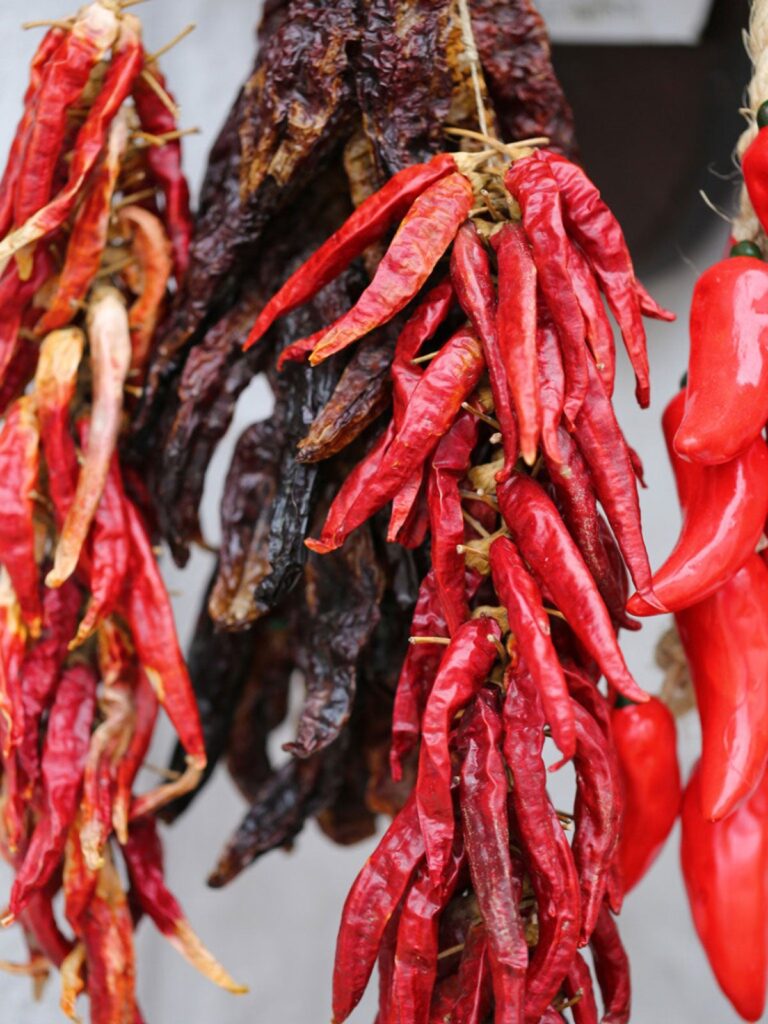
Are you looking to preserve your chili peppers for later use? Look no further! In this article, we will explore the different methods of drying chili peppers, including sun-drying, oven-drying, and using an electric dehydrator.
Understanding Chili Peppers
Chili peppers are a staple in many cuisines around the world. They come in a variety of shapes, sizes, and colors, but all share one thing in common: they contain capsaicin, the compound that gives them their distinctive heat.
But did you know that it’s not the seeds that make chili peppers spicy? It’s actually the membrane inside the pepper that contains the capsaicin. So, if you want to enjoy your chili peppers without the heat, you can simply remove the seeds before drying them.
Methods of Drying Chili Peppers
There are several ways to dry chili peppers, each with its own advantages and disadvantages.
1. Sun-Drying
Sun-drying is a traditional method that requires minimal equipment. Simply place your chili peppers in a warm, dry location, away from direct sunlight, and allow them to air dry for several days or weeks.
How to Sun-Dry Chili Peppers
- Choose a spot with good airflow and indirect sunlight.
- Remove the seeds and any excess moisture from the peppers.
- Place the peppers on a wire rack or tray, allowing air to circulate around each pepper.
- Check on the peppers regularly, gently turning them over to ensure even drying.
Sun-drying is a great option for small batches of chili peppers. It’s also a cost-effective method that requires no special equipment. However, it can take several days or weeks for the peppers to dry completely.
2. Oven-Drying
Oven-drying is a faster method that requires some basic equipment. Simply place your chili peppers in a single layer on a baking sheet and dry at a low temperature for several hours.
How to Oven-Dry Chili Peppers
- Preheat your oven to its lowest temperature setting (usually around 150°F).
- Line a baking sheet with parchment paper or a silicone mat.
- Place the chili peppers in a single layer, leaving some space between each pepper.
- Dry for several hours, checking on the peppers regularly to ensure they don’t overdry.
Oven-drying is a great option for larger batches of chili peppers. It’s also a good way to dry peppers that are too large or irregularly shaped for sun-drying. However, it requires some equipment and can be more expensive than sun-drying.
3. Electric Dehydrator
Electric dehydrators are a great option for large quantities of chili peppers. Simply place your peppers in the machine and set the desired temperature and time.
How to Use an Electric Dehydrator
- Choose the correct temperature setting (usually between 135°F and 155°F).
- Place the chili peppers in the dehydrator, following the manufacturer’s guidelines.
- Set the desired drying time and let the machine do its magic.
Electric dehydrators are a convenient option for large quantities of chili peppers. They’re also relatively affordable and easy to use. However, they can be more expensive than oven-drying or sun-drying, and require some electricity.
4. Using a Food Dehydrator
Food dehydrators are similar to electric dehydrators but often come with additional features like temperature control and timer functions.
How to Use a Food Dehydrator
- Choose the correct temperature setting (usually between 135°F and 155°F).
- Place the chili peppers in the dehydrator, following the manufacturer’s guidelines.
- Set the desired drying time and let the machine do its magic.
Food dehydrators are a great option for those who want more control over their drying process. They’re also relatively affordable and easy to use. However, they can be more expensive than electric dehydrators or oven-drying, and require some electricity.
Tips for Drying Chili Peppers
- Always dry your chili peppers to an internal temperature of at least 160°F to ensure food safety.
- Store dried chili peppers in airtight containers to preserve their flavor and heat.
- Consider grinding or crushing your dried chili peppers into a powder or flakes for added convenience.
By following these methods and tips, you can enjoy your chili peppers all year round, whenever you want. So go ahead, dry those chili peppers, and get ready to spice up your life!
Frequently Asked Questions
Q: How long does it take to dry chili peppers?
A: The drying time will depend on the method used, but generally, sun-drying can take several days or weeks, while oven-drying and electric dehydrating can take several hours.
Q: Can I dry chili peppers without seeds?
A: Yes, you can remove the seeds before drying your chili peppers to reduce heat content.
Q: How do I store dried chili peppers?
A: Store dried chili peppers in airtight containers to preserve their flavor and heat.
Additional Tips for Drying Chili Peppers
- Use a thermometer to ensure that your chili peppers are reaching the correct internal temperature.
- Monitor the moisture level of your chili peppers regularly to prevent overdrying or underdrying.
- Consider using silica gel packets to absorb excess moisture from the air and help dry your chili peppers more evenly.
By following these tips, you can achieve optimal results when drying your chili peppers. Whether you’re looking for a traditional sun-dried flavor or a convenient electric dehydrated texture, there’s a method of drying that’s right for you.
Conclusion
Drying chili peppers is an easy and effective way to preserve them for later use. With several methods to choose from, including sun-drying, oven-drying, and using an electric dehydrator, you’re sure to find the perfect technique for your needs. By following these tips and guidelines, you can enjoy your chili peppers all year round, whenever you want. So go ahead, dry those chili peppers, and get ready to spice up your life!


