
Are you heading out of town and worried about the state of your plants? Don’t stress! With a little planning, you can ensure they stay healthy and thriving even when you’re not around. In this article, we’ll explore some clever ways to water your plants remotely, from automated systems to DIY solutions.
Why is it Important to Water Plants When You’re Away?
Just because you won’t be home doesn’t mean your plants will survive without a drink. Overwatering and underwatering can both lead to plant stress, which may result in root rot or even death. By keeping an eye on your plants’ water needs, you’ll ensure they receive the right amount of moisture.
Plants need water to carry out photosynthesis, transport nutrients, and regulate their temperature. When a plant is not receiving enough water, it can lead to a range of problems including:
- Yellowing leaves: This can be a sign that your plants are thirsty and need more water.
- Wilting or droopy stems: If your plants’ stems are sagging, they may be losing too much water through transpiration.
- Leaf drop: Plants may shed their leaves if they’re not receiving enough moisture.
Automated Irrigation Systems
For those with more time to spare, automated irrigation systems are a great option. These timers allow you to set a schedule for watering, so your plants get the attention they need when you’re not around.
There are two types of automated irrigation systems: timer-based and smart systems.
- Timer-based: These systems use a simple clock or calendar to determine when to water. They’re affordable and easy to install.
- Smart Systems: These systems take into account factors like soil moisture, temperature, and humidity to create a more personalized watering schedule.
Both types of automated irrigation systems can be programmed to work independently, so you don’t have to worry about your plants when you’re away.
Some benefits of using an automated irrigation system include:
- Convenience: You can set the timer without having to physically water your plants every day.
- Precision: Automated systems ensure that your plants receive exactly the right amount of water at the right time.
- Reliability: These systems are designed to function automatically, so you don’t have to worry about forgetting to water your plants.
Some popular types of automated irrigation systems include:
- Soaker hoses: These are long hoses with small holes that release water slowly into the soil.
- Drip irrigation systems: These systems use a network of tubes and emitters to deliver water directly to the roots of the plant.
- Olla irrigation systems: These are clay pots filled with water that are buried in the soil and release water as needed.
Vases with Built-in Water Reservoirs
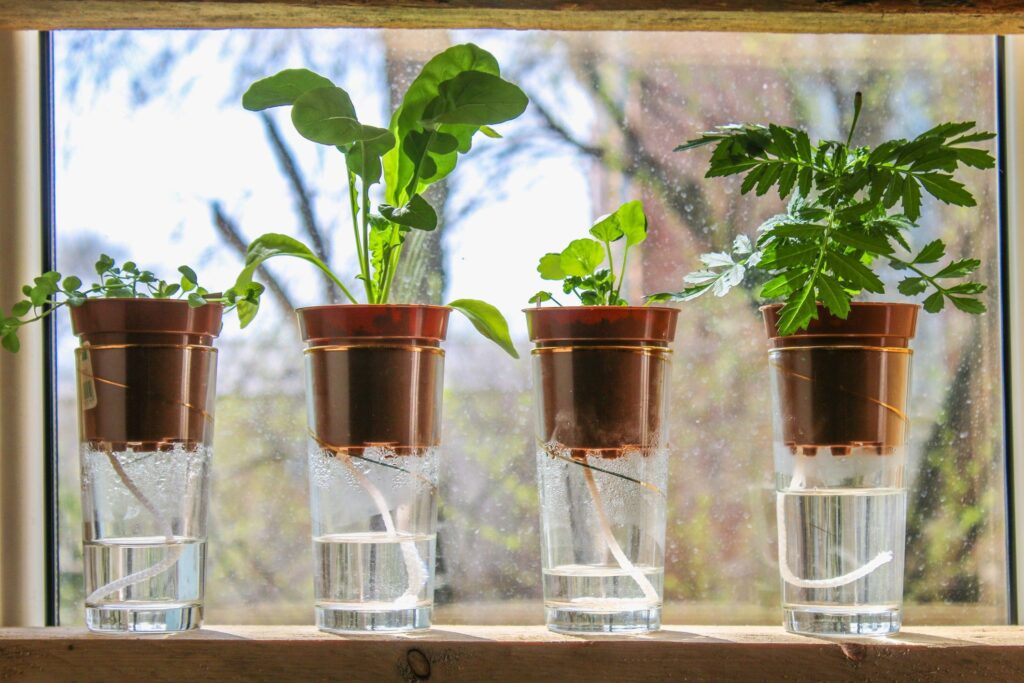
For those who prefer not to invest in an automated system, vases with built-in water reservoirs are a great alternative. These vases come with a small container that holds water, which is released gradually into the soil as needed.
These vases are perfect for small plants or plants that need frequent watering. Plus, they’re easy to find and relatively affordable.
Here’s what you need to know about these vases:
- Pros: They’re inexpensive, easy to use, and can be found in various sizes.
- Cons: They may not be suitable for large plants or those that require a lot of water.
Some benefits of using a vase with built-in water reservoir include:
- Convenience: You don’t have to worry about remembering to water your plants every day.
- Flexibility: These vases can be placed in various locations around your home, giving you more flexibility when it comes to watering.
- Low maintenance: Vases with built-in water reservoirs require minimal upkeep, making them a great option for busy people.
DIY Irrigation Systems
For the crafty homeowner, DIY irrigation systems are a fun and creative way to keep your plants hydrated. One popular method involves using empty plastic bottles as mini-greenhouses.
Here’s how it works:
- Fill an empty bottle with water.
- Place the bottle in the soil near the plant you want to water.
- As the water is absorbed, the bottle will release more water into the soil.
This system is simple and effective, but keep in mind that it may not be suitable for large plants or those that require a lot of water.
Some benefits of using a DIY irrigation system include:
- Cost-effectiveness: These systems are often made from household items, making them inexpensive to set up.
- Customization: You can design your own system to meet the specific needs of your plants.
- Learning experience: Building a DIY irrigation system can be a fun and educational project.
Some popular types of DIY irrigation systems include:
- Plastic bottle greenhouses: These use empty plastic bottles as mini-greenhouses to deliver water directly to the roots of the plant.
- Capsules or compressed water: These can be found online and work by releasing water into the soil over time.
- Flasks of hydrogel: Similar to capsules, these flasks release water as needed.
Other DIY Methods
If you’re looking for other creative ways to keep your plants hydrated while you’re away, here are some ideas:
- Mister bottles: These use a spray nozzle to deliver water directly to the leaves of the plant.
- Self-watering planters: These planters have a built-in water reservoir that can be refilled when needed.
- Hydroponic systems: These systems use nutrient-rich water rather than soil to feed plants.
By using one of these methods, you’ll ensure your plants receive the attention they need while you’re away.


