
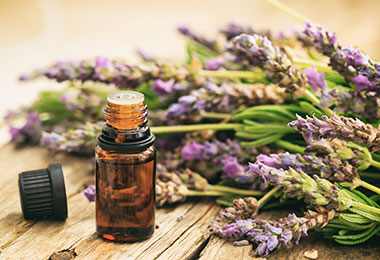
Understanding Aromatherapy: What is It and How Does it Work?
Aromatherapy is a holistic healing practice that uses essential oils extracted from plants to promote physical, emotional, and mental well-being. The concept of aromatherapy is based on the idea that certain scents can stimulate the brain’s limbic system, which regulates emotions, mood, and behavior.
While some people swear by the benefits of aromatherapy, others are skeptical about its effectiveness. In this article, we’ll delve into the world of aromatherapy, exploring its history, benefits, and limitations. We’ll also examine the scientific evidence behind its claims and discuss the potential risks and benefits associated with using essential oils.
The Science Behind Aromatherapy: How Does it Work?
Aromatherapy works by interacting with the brain’s limbic system, which processes emotions, memories, and sensations. When we inhale an essential oil, the molecules bind to olfactory receptors in the nose, sending signals to the brain that can affect our mood, behavior, and physiological responses.
There are two main ways aromatherapy is believed to work:
- Psychological Effects: Aromatherapy can stimulate the brain’s limbic system, releasing neurotransmitters like serotonin and dopamine, which regulate mood, appetite, and sleep.
- Physical Effects: Essential oils can have a direct impact on our physical bodies, influencing heart rate, blood pressure, and inflammation.
While aromatherapy may have some benefits, it is essential to note that the scientific evidence supporting its effectiveness is limited and often inconclusive.
Benefits of Aromatherapy: What Can it Help With?
Aromatherapy has been used for centuries to treat various health conditions, including:
- Anxiety and stress
- Insomnia and sleep disorders
- Digestive issues
- Skin problems
- Pain relief
Some essential oils are believed to have specific benefits, such as:
- Tea tree oil: anti-inflammatory and antimicrobial properties
- Lavender oil: calming and relaxing effects
- Peppermint oil: digestive and respiratory benefits
Limitations of Aromatherapy: What Are the Drawbacks?
While aromatherapy may be beneficial for some people, it is essential to be aware of its limitations:
- Lack of Scientific Evidence: Many studies on aromatherapy are small, poorly designed, or have methodological flaws.
- Variable Quality of Essential Oils: The quality and purity of essential oils can vary widely depending on the manufacturer and production methods.
- Individual Reactions: People may react differently to different essential oils, and some may experience adverse effects.
Using Aromatherapy Safely: Precautions and Risks
When using aromatherapy, it is crucial to follow these precautions:
- Consult a Healthcare Professional: Before using aromatherapy, especially if you have a medical condition or are pregnant/breastfeeding.
- Use High-Quality Essential Oils: Choose reputable manufacturers that adhere to good manufacturing practices (GMPs).
- Dilute Essential Oils: Always dilute essential oils in a carrier oil before applying them to the skin.
Aromatherapy: A Complementary Therapy?
While aromatherapy may not be a replacement for conventional medicine, it can be a valuable complementary therapy when used in conjunction with other treatments. By combining aromatherapy with lifestyle changes, such as exercise and healthy eating, you may experience improved overall health and well-being.
The History of Aromatherapy
Aromatherapy has its roots in ancient civilizations, where essential oils were used for medicinal and spiritual purposes. In ancient Egypt, Greece, and Rome, aromatic plants were used to purify the air, improve mood, and promote relaxation.
In the 1920s, French chemist René-Maurice Gattefossé discovered the healing properties of essential oils while working in a perfume factory. He began experimenting with essential oils and their therapeutic potential, eventually developing the concept of aromatherapy as we know it today.
The Role of Olfaction in Aromatherapy
Olfaction is the sense responsible for detecting smells and odors. When we inhale an essential oil, the molecules bind to olfactory receptors in the nose, sending signals to the brain that can affect our mood, behavior, and physiological responses.
Research suggests that the limbic system, which processes emotions, memories, and sensations, is also responsible for processing smells and odors. This may explain why certain scents can evoke strong emotional responses and memories.
The Science of Aromatherapy: What Do We Know?
While there is limited scientific evidence supporting the effectiveness of aromatherapy, research has shed some light on how it works:
- Brain Chemistry: Essential oils can affect brain chemistry by releasing neurotransmitters like serotonin and dopamine, which regulate mood, appetite, and sleep.
- Stress Response: Aromatherapy can stimulate the parasympathetic nervous system, promoting relaxation and reducing stress.
- Inflammation: Certain essential oils have anti-inflammatory properties, which may help alleviate symptoms of conditions like arthritis and fibromyalgia.
The Challenges of Studying Aromatherapy
Studying aromatherapy poses several challenges:
- Lack of Standardization: Essential oils can vary in quality and purity depending on the manufacturer and production methods.
- Variable Individual Responses: People may react differently to different essential oils, making it difficult to develop effective treatments.
- Placebo Effect: The placebo effect may contribute to the perceived benefits of aromatherapy, as some people may experience improved symptoms due to their expectations rather than any actual therapeutic effect.
Conclusion
Aromatherapy is a holistic practice that uses essential oils to promote physical, emotional, and mental well-being. While some people swear by its benefits, the scientific evidence supporting its effectiveness is limited. By understanding how aromatherapy works, its benefits and limitations, and using it safely, you can harness its potential as a complementary therapy.
Frequently Asked Questions (FAQs)
- Is aromatherapy safe to use?
Aromatherapy can be safe when used in moderation and with caution. Always consult a healthcare professional before using essential oils, especially if you have a medical condition or are pregnant/breastfeeding. - How does aromatherapy work?
Aromatherapy works by interacting with the brain’s limbic system, releasing neurotransmitters that regulate mood, behavior, and physiological responses. - What are the benefits of aromatherapy?
Aromatherapy may help alleviate anxiety, insomnia, digestive issues, skin problems, pain, and stress. - Can aromatherapy cure any health condition?
No, aromatherapy is not a replacement for conventional medicine. It can be used as a complementary therapy to support overall health and well-being. - How do I choose high-quality essential oils?
Choose reputable manufacturers that adhere to good manufacturing practices (GMPs) and follow proper production methods. - Can I use aromatherapy during pregnancy or breastfeeding?
Consult a healthcare professional before using aromatherapy, especially if you’re pregnant or breastfeeding. - Is it safe to use aromatherapy with children?
Use caution when using aromatherapy with children, as their immune systems are still developing. Always consult a healthcare professional and follow proper usage guidelines.
Additional Tips for Using Aromatherapy
- Start Slow: Begin with small amounts of essential oils and gradually increase the dose as needed.
- Dilute Essential Oils: Always dilute essential oils in a carrier oil before applying them to the skin.
- Use High-Quality Carrier Oils: Choose reputable manufacturers that adhere to good manufacturing practices (GMPs).
- Be Mindful of Allergies and Sensitivities: Some people may be allergic or sensitive to certain essential oils. Always do a patch test before using a new oil.
By understanding the science behind aromatherapy, its benefits, and limitations, you can harness its potential as a complementary therapy to support your overall health and well-being.


