
As a parent, making the right choices for your baby’s health and well-being is crucial. One often overlooked aspect is the type of diaper you choose. Traditional disposable diapers have been the norm for decades, but there are some fantastic alternatives that can make a significant impact on the environment and your child’s skin. In this article, we’ll explore the world of washable diapers, their benefits, and how to get started.
The Dark Side of Disposable Diapers
Before we dive into the advantages of washable diapers, let’s talk about why disposable diapers are so problematic. The production process requires massive amounts of wood pulp, which is often obtained from ancient forests. Additionally, these diapers contain chemicals like dyes, fragrances, and super-absorbent materials that can cause skin irritation and allergic reactions.
For example, the super-absorbent material used in disposable diapers is made from a type of plastic called polyacrylate. This material is designed to absorb large amounts of liquid quickly, but it also breaks down slowly, releasing chemicals into the environment as it decomposes. These chemicals can contaminate soil and water sources, harming local ecosystems.
Furthermore, the manufacturing process for disposable diapers involves the use of non-renewable resources like petroleum, natural gas, and coal. The resulting waste from these diaper factories can contribute to greenhouse gas emissions, air pollution, and climate change.
The Benefits of Washable Diapers
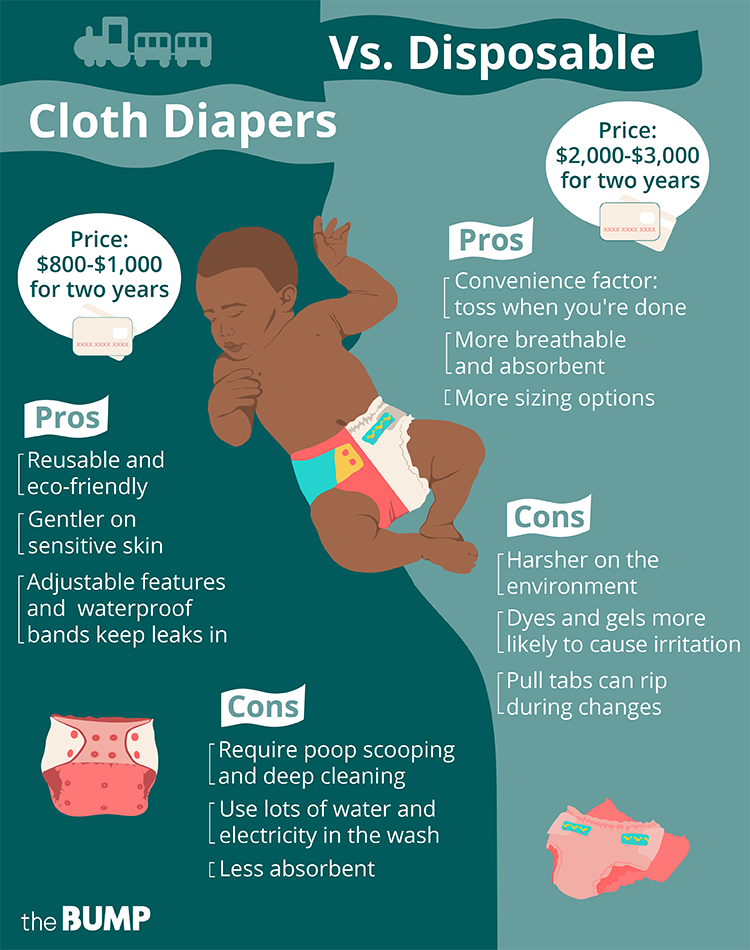
So, what makes washable diapers so special? For starters, they’re an eco-friendly alternative to disposable diapers. By using a reusable diaper, you’re significantly reducing your carbon footprint and helping to minimize the amount of waste sent to landfills.
Moreover, washable diapers can be gentler on your baby’s skin, reducing the risk of diaper rash and other skin irritations. This is because these diapers are made from natural fibers like cotton, bamboo, or hemp, which are breathable and gentle on sensitive skin.
In addition, reusable diapers have been shown to promote healthy gut bacteria in babies, which can lead to improved digestion, reduced allergies, and a stronger immune system. This is because the natural fibers in washable diapers allow for better airflow and moisture-wicking properties, creating an environment that fosters healthy microflora.
How Do Washable Diapers Work?
Using a washable diaper is relatively simple. You’ll need to choose a model that suits your lifestyle and preferences. Most modern washable diapers are designed to be waterproof, making them just as effective as disposable diapers in terms of leakage protection. Simply place the diaper on your baby, change it regularly, and wash it according to the manufacturer’s instructions.
Types of Washable Diapers
There are several types of washable diapers available, each with its own unique features and benefits. Some popular options include:
- All-in-one (AIO) diapers: These diapers have a built-in absorbent layer and can be worn like a traditional disposable diaper.
- All-in-two (AI2) diapers: These diapers have a removable absorbent layer that can be washed and reused multiple times.
- Pocket diapers: These diapers have a pocket that allows you to add or remove inserts as needed, making them highly customizable.
Choosing the Right Washable Diaper for You
With so many options available, choosing the right washable diaper can be overwhelming. Consider factors like your budget, lifestyle, and your baby’s age and needs when selecting a model. Some popular brands include:
- Juicy Bumbles: Offers a range of eco-friendly diapers with bamboo inserts.
- Coop: Provides affordable, washable diapers with a focus on sustainability.
When choosing a washable diaper, consider the following factors:
- Material: Look for natural fibers like cotton, bamboo, or hemp. Avoid synthetic materials like polyester or nylon.
- Size: Choose a size that fits your baby’s age and weight range. Ensure the diaper is not too tight or constricting.
- Absorbency: Select a diaper with sufficient absorbency to handle your baby’s wetting habits. Consider factors like leg cuffs, waistbands, and adjustable snaps.
- Ease of use: Opt for a diaper that is easy to put on and take off, even when soiled.
Tips for Using Washable Diapers
To get the most out of washable diapers, follow these tips:
- Wash frequently: Change your baby’s diaper every 2-3 hours, or as needed.
- Use a detergent specifically designed for cloth diapers: Avoid using regular laundry detergent, which can leave residues on the diaper and affect its performance.
- Rinse thoroughly: Ensure the diaper is thoroughly rinsed to remove all soap residue and bacteria.
- Sanitize regularly: Wash and sanitize your washable diapers every week or two to prevent bacterial growth and odor buildup.
Conclusion
Using washable diapers is an excellent way to reduce your environmental impact and promote healthy skin for your baby. By choosing the right model for your needs and following proper washing and care instructions, you can enjoy the many benefits of using reusable diapers. Happy parenting!
Frequently Asked Questions (FAQs)
-
Q: How often should I wash my child’s diaper?
A: It’s generally recommended to change your child’s diaper every 2-3 hours, or as needed. -
Q: What is the best way to dispose of a used washable diaper?
A: You can wash and reuse a used washable diaper multiple times before discarding it in the trash. -
Q: Can I use any type of detergent on my child’s washable diapers?
A: No, it’s recommended to use a mild, fragrance-free detergent specifically designed for washing cloth diapers. -
Q: How do I know which size of diaper to choose for my baby?
A: Measure your baby’s waist and length to determine the best fit for their age and needs. -
Q: Are washable diapers more expensive than disposable diapers in the long run?
A: While initial costs may be higher, reusable diapers can save you money in the long run by reducing waste and minimizing the need for frequent replacements. -
Q: Can I use a washing machine with a front-loading cycle to wash my child’s diapers?
A: Yes, but it’s recommended to use a top-loading washer or an eco-friendly washing machine specifically designed for cloth diapers. -
Q: How do I store and transport soiled washable diapers?
A: You can store them in a designated pail or bin with a lid, and transport them in a bag or container when needed. -
Q: Can I use a reusable diaper on my child while traveling or away from home?
A: Yes, but it’s recommended to choose a model that is easy to pack and transport, such as a pocket diaper or all-in-two system.


