
Understanding Efliders: What Are They and How to Get Rid of Them?
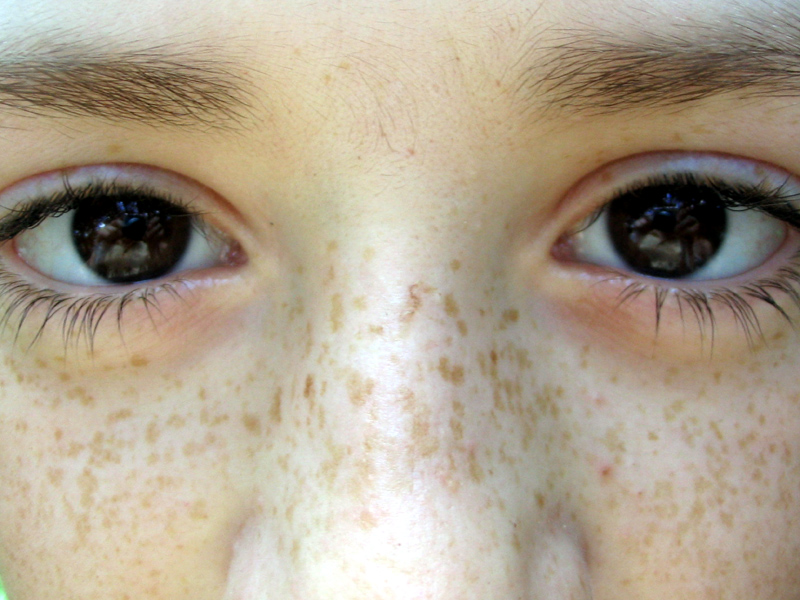
As we navigate the complexities of our skin, it’s not uncommon to come across small, brown spots that can be both frustrating and perplexing. These tiny marks are known as efliders, also referred to as freckles or lentigines. But what exactly are they, and how can we get rid of them?
The Significance of Efliders
Efliders are an indicator of increased melanin concentration in specific areas of the skin. Unlike moles, which have a distinct shape and color, efliders tend to be small, rounded spots with varying shades of brown. The good news is that they are generally benign, but their appearance can still cause distress for those who dislike them.
Distinguishing Efliders from Other Skin Issues
To understand the nature of efliders, it’s essential to distinguish them from other skin conditions like lentigines. While both terms refer to patches of darker skin, lentigines are caused by irregular melanin production and an increase in melanocytes (pigment cells). To differentiate between the two, observe the color: if it’s lighter, you’re likely dealing with efliders that can sometimes become more prominent during warmer months but fade during winter.
Eliminating Efliders: A Range of Options
For those who struggle with the appearance of efliders on their skin, various treatment options are available. There are more aggressive methods like chemical peeling and laser therapy, which should only be performed under the guidance of a medical professional.
Some over-the-counter products contain exfoliating agents like alpha-hydroxy acids (AHAs) or beta-hydroxy acids (BHAs), as well as ingredients like arbutin, salicylic acid, or glycolic acid. These products aim to gently shed the outer layer of skin, reducing the appearance of efliders.
Natural Remedies: A More Gentle Approach
Before resorting to harsh treatments, consider natural remedies that may help alleviate the appearance of efliders. Certain plants like calendula, raffaele (wild garlic), and goldenrod are believed to possess antifungal and antioxidant properties that could potentially soothe and lighten affected areas.
Other effective natural remedies include using lemon juice or olive oil on the skin, which can provide hydration, brightening effects, and anti-inflammatory benefits. Be cautious when trying new products, as some may cause irritation or allergic reactions.
Efliders: A Common Phenomenon
While efliders can appear anywhere on the body, they tend to concentrate in areas like the back (especially around the spine) and face. Interestingly, this tendency towards developing efliders is often inherited from one’s parents.
As with any skin issue, understanding the underlying causes and taking preventative measures can go a long way in managing their appearance.
Causes of Efliders
While the exact cause of efliders is still unknown, several factors are believed to contribute to their development:
- Genetics: As mentioned earlier, efliders tend to run in families.
- Sun exposure: UV radiation from the sun can stimulate melanin production and lead to the formation of efliders.
- Aging: The skin’s natural aging process can cause a decline in collagen production, leading to increased melanin concentration and eflider development.
Prevention is Key
To minimize the appearance of efliders, consider taking preventative measures:
- Protect yourself from the sun: Use sunscreen with at least SPF 30 daily and reapply every two hours.
- Use moisturizers: Keeping your skin hydrated can help reduce the appearance of efliders.
- Avoid excessive exposure to pollution: Certain pollutants may contribute to skin issues, so take steps to minimize your exposure.
By understanding the nature of efliders, exploring treatment options, and taking preventative measures, you can effectively manage their appearance and maintain healthy, glowing skin.
When to Seek Medical Attention
While efliders are generally benign, there are times when it’s necessary to seek medical attention:
- Large or unusual growths: If a mole or growth is larger than 6mm in diameter, has irregular borders, or shows signs of inflammation, consult a dermatologist.
- Changes in color: If you notice any changes in the size, shape, or color of an eflider, seek medical attention.
Conclusion
Efliders are small, brown spots that can be both frustrating and perplexing. While they’re generally benign, their appearance can still cause distress for those who dislike them. By understanding the nature of efliders, exploring treatment options, and taking preventative measures, you can effectively manage their appearance and maintain healthy, glowing skin.
Stay informed about the latest research and advancements in dermatology to stay ahead of any emerging trends or issues that may affect your skin health.


