
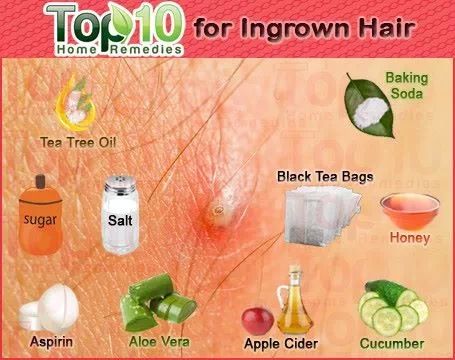
Ingrown hairs, also known as peli incarniti in Italian, are a common issue that affects many people. These hairs grow back into the skin instead of out, causing discomfort, inflammation, and even infections. In this article, we’ll explore the causes, symptoms, and effective remedies for ingrown hairs.
The Causes of Ingrown Hairs
Ingrown hairs occur when a hair grows back into the skin at an angle, rather than straight out. This can happen due to various factors such as:
- Harsh hair removal methods: Using tools like waxing, tweezing, or depilatory creams can cause hairs to become ingrown.
- Shaving or trimming: Cutting hairs too close to the skin’s surface can lead to ingrown hairs.
- Genetics: Some people may be more prone to ingrown hairs due to their genetic makeup.
Symptoms of Ingrown Hairs
Ingrown hairs can cause a range of symptoms, including:
- Redness and inflammation: The affected area becomes red, swollen, and painful.
- Pus or discharge: In severe cases, ingrown hairs can lead to the formation of pus or discharge.
- Scarring: If left untreated, ingrown hairs can cause scarring.
Effective Remedies for Ingrown Hairs
Fortunately, there are several effective remedies that can help alleviate the symptoms of ingrown hairs. Here are some of the most effective ones:
Exfoliation and Scrubbing
Exfoliating regularly can help remove dead skin cells and prevent ingrown hairs. You can use a gentle scrub or exfoliating gloves to gently massage your skin.
- Use a sugar or salt scrub: Sugar and salt scrubs are great for removing dead skin cells and helping to prevent ingrown hairs.
- Exfoliate once or twice a week: Exfoliating too frequently can cause irritation, so be sure to exfoliate only once or twice a week.
Hydration
Keeping your skin hydrated is essential for preventing ingrown hairs. Use a gentle moisturizer to keep your skin hydrated and soft.
- Use a hydrating moisturizer: Look for a moisturizer that contains ingredients like hyaluronic acid, ceramides, or niacinamide.
- Apply moisturizer daily: Apply moisturizer daily to help keep your skin hydrated and prevent ingrown hairs.
Steam Treatment
Steaming can be an effective way to open up pores and help remove impurities. Here’s how to do it:
- Use a steam inhaler: You can purchase a steam inhaler online or at a local pharmacy.
- Steam for 5-10 minutes: Steam your skin for 5-10 minutes, two to three times a week.
Natural Remedies
There are several natural remedies that can help alleviate the symptoms of ingrown hairs. Here are some of the most effective ones:
- Tea tree oil: Tea tree oil has antibacterial properties that can help reduce inflammation and prevent infection.
- Aloe vera: Aloe vera is a soothing gel that can help calm irritated skin.
- Cucumber: Cucumbers are rich in antioxidants and can help reduce inflammation.
Prevention
While it’s not always possible to completely prevent ingrown hairs, there are several steps you can take to reduce the risk:
- Use gentle hair removal methods: Avoid using harsh hair removal methods like waxing or depilatory creams.
- Shave carefully: Shaving carefully and avoiding cutting hairs too close to the skin’s surface can help reduce the risk of ingrown hairs.
Home Remedies
Here are some home remedies that can help alleviate the symptoms of ingrown hairs:
- Warm compresses: Apply a warm compress to the affected area to help reduce inflammation.
- Baking soda paste: Mix baking soda with water to form a paste, and apply it to the affected area for 15-20 minutes before rinsing off.
Lifestyle Changes
Making some lifestyle changes can also help prevent ingrown hairs. Here are some tips:
- Stay hydrated: Drink plenty of water throughout the day to keep your skin hydrated.
- Eat a balanced diet: Eating a diet rich in fruits, vegetables, and whole grains can help support skin health.
- Get enough sleep: Getting enough sleep is essential for overall health, including skin health.
When to Seek Medical Attention
If you experience any of the following symptoms, seek medical attention:
- Pus or discharge: If you notice pus or discharge from an ingrown hair, seek medical attention immediately.
- Fever: If you have a fever along with an ingrown hair, seek medical attention.
- Scarring: If an ingrown hair causes scarring, seek medical attention.
Conclusion
Ingrown hairs are a common issue that affects many people. By understanding the causes, symptoms, and effective remedies, you can take steps to prevent and alleviate the symptoms of ingrown hairs. Remember to exfoliate regularly, hydrate your skin, steam treat yourself, and use natural remedies to help keep your skin healthy and clear.
Frequently Asked Questions (FAQs)
- What is an ingrown hair?
An ingrown hair is a hair that grows back into the skin instead of out. - How can I prevent ingrown hairs?
You can prevent ingrown hairs by using gentle hair removal methods, shaving carefully, and exfoliating regularly. - What are some effective remedies for ingrown hairs?
Some effective remedies for ingrown hairs include exfoliation and scrubbing, hydration, steam treatment, and natural remedies like tea tree oil and aloe vera. - How do I treat an ingrown hair?
To treat an ingrown hair, apply warm compresses to the affected area, use over-the-counter antibiotics if necessary, and avoid scratching or picking at the hair. - Can I get rid of ingrown hairs permanently?
While it’s not always possible to completely eliminate ingrown hairs, there are several treatments available that can help reduce their appearance, such as laser therapy and microdermabrasion.


