
Introduction
In a world where cats come in all shapes, sizes, and colors, one breed stands out for its striking appearance and captivating charm – the Japanese Bobtail. With its distinctive short tail, playful demeanor, and rich history, this enigmatic feline has captured the hearts of many around the globe. But where did it originate from? Let’s delve into the mystical world of the Japanese Bobtail and uncover its secrets.
Origins
Contrary to popular belief, the Japanese Bobtail is not exclusively Japanese in origin. Its ancestors were introduced to Japan via China and Korea over a thousand years ago by Buddhist monks. These early felines possessed a unique characteristic – a short, stubby tail that would eventually become a defining feature of the breed.
Legend has it that Buddhist monks brought cats to Japan as a symbol of good fortune and prosperity. They believed that these mystical animals possessed healing powers and could ward off evil spirits. As the breed evolved over time, its distinctive tail became an integral part of its charm and allure.
Physical Characteristics
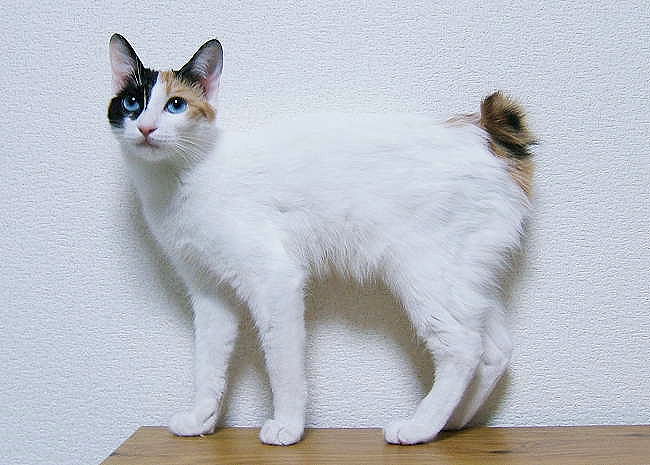
The Japanese Bobtail’s physical appearance is as fascinating as its history. This slender feline boasts an athletic build, weighing between 5 kg (11 lbs), with long, slender legs and distinctive features such as large ears and big eyes. Its coat can come in a wide range of colors and patterns, but the classic “triple-coated” varieties are still the most sought after.
The Japanese Bobtail’s short tail is one of its most striking features. Unlike other breeds, which often have long tails that flow behind them like a golden stream, the Bobtail has a distinctive tuft of fur at the end of its tail, giving it a unique appearance. This characteristic tail feature has been passed down through generations and is now an iconic symbol of the breed.
Personality
As any cat owner will attest to, Japanese Bobtails possess an endearing personality that makes them a joy to be around. With their playful, curious nature, they quickly form strong bonds with family members and enjoy interacting with both humans and other animals. Despite their affectionate demeanor, they can also be quite mischievous at times.
Their intelligence and agility make them excellent hunters, and they have been known to stalk small prey such as mice and birds with ease. However, they are not aggressive and prefer to play rather than fight. With proper socialization and training, Japanese Bobtails can become loving companions for families and individuals alike.
The Bobtail as Good Luck Charm
In Japan, the Japanese Bobtail is considered a symbol of good fortune and prosperity. Legend has it that if you find a bobtail cat in your home on New Year’s Day, you’ll have an auspicious year ahead. With its striking appearance and charming personality, it’s no wonder this feline has captured so many hearts.
To ward off evil spirits and bring good luck, Japanese Bobtails are often given offerings such as sake, rice, and fish during the Lunar New Year celebrations. In return for these gifts, the cat is believed to bestow its owners with blessings of prosperity and happiness.
A Brief History
The Japanese Bobtail gained popularity worldwide after Charles Darwin first observed them during his travels to Asia in the 19th century. From there, breeders began working tirelessly to perfect the breed, leading to the establishment of the Cat Fanciers’ Association (CFA) in 1912. Today, the Japanese Bobtail is a beloved companion animal for many.
Despite its growing popularity, the Japanese Bobtail remains an enigmatic and elusive breed. Its rarity and unique characteristics have made it a sought-after pet among cat enthusiasts, with some breeders even going to great lengths to preserve the breed’s integrity.
The Manx Connection
While often confused with the Manx breed, which shares a similar tail characteristic, the Japanese Bobtail and Manx are distinct breeds. The Japanese Bobtail’s origins lie in Japan, whereas the Manx hails from the Isle of Man, off the coast of Ireland. This distinction highlights the rich history and cultural significance surrounding this captivating cat.
The similarities between the two breeds have led some to speculate about a possible genetic link between them. However, further research is needed to confirm or deny these theories. Regardless, both breeds are undeniably unique and fascinating in their own right.
Conclusion
In conclusion, the Japanese Bobtail is a true marvel of nature – a testament to its breeders’ dedication and passion for creating the perfect feline companion. With its enchanting appearance, playful personality, and rich history, it’s little wonder that this enigmatic cat has captured hearts worldwide. Whether you’re a seasoned cat owner or simply an animal enthusiast, the Japanese Bobtail is sure to delight.
Frequently Asked Questions
- Q: Is the Japanese Bobtail a true breed?
A: The Japanese Bobtail was officially recognized by the Cat Fanciers’ Association (CFA) in 1988 and has since become a well-established breed globally. - Q: Can I find a Japanese Bobtail as a pet?
A: Yes, with many breeders and shelters offering these beautiful cats for adoption. - Q: Are Japanese Bobtails good pets for families with children?
A: Absolutely! Their playful nature makes them an excellent match for families with kids. -
Q: Can I train my Japanese Bobtail to behave like a dog?
A: While they can learn tricks and commands, Japanese Bobtails are naturally more independent than dogs and may not respond as readily to training. -
Q: How often do I need to groom my Japanese Bobtail?
A: Regular grooming is essential to keep their coat clean and healthy. Brushing 2-3 times a week should suffice. -
Q: Can Japanese Bobtails be left alone for extended periods?
A: Yes, but it’s recommended that they have some companionship during the day. Leaving them isolated for too long can lead to boredom and destructive behavior. -
Q: Are Japanese Bobtails prone to health issues?
A: As with any breed, Japanese Bobtails are susceptible to certain health problems like hypertrophic cardiomyopathy and patellar luxation. Regular veterinary check-ups are crucial. -
Q: Can I feed my Japanese Bobtail table scraps or commercial cat food only?
A: It’s recommended that you provide a balanced diet consisting of both wet and dry food, supplemented by occasional treats. Table scraps should be avoided to prevent nutritional imbalances. -
Q: How can I encourage my Japanese Bobtail to be more playful?
A: Engage your feline friend in playtime activities like chasing laser pointers or feather toys, which stimulates their natural hunting instincts. - Q: Can I travel with my Japanese Bobtail in an airline carrier?
A: Yes! With proper preparation and acclimation, many cats can adapt to flying safely.
Tips for Bringing a Japanese Bobtail Home
Before bringing your new feline friend home, it’s essential to prepare yourself for the adventure ahead. Here are some tips to ensure a smooth transition:
- Provide a safe environment: Make sure your home is cat-proofed by removing any hazardous materials or objects that could harm your new pet.
- Establish a routine: Japanese Bobtails thrive on routine, so establish a regular feeding schedule and playtime to help them adjust to their new surroundings.
- Spend quality time together: Spend plenty of time with your new cat, engaging in play and affectionate activities to build trust and strengthen your bond.
- Keep them healthy: Regular veterinary check-ups will ensure that your Japanese Bobtail stays healthy and happy.
By following these tips and embracing the unique charm of the Japanese Bobtail, you’ll be well on your way to creating a lifelong friendship with this captivating cat breed.


