
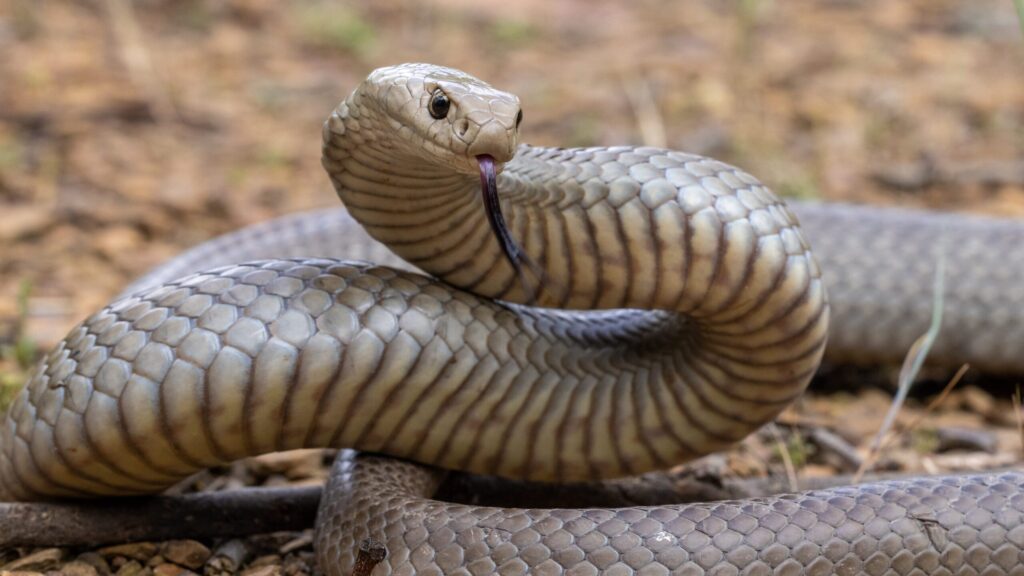
Have you ever wondered which animals are the most deadly in Australia? From venomous snakes to powerful predators, the land down under is home to some of the most fascinating and feared creatures on the planet. In this article, we’ll take a closer look at the top 10 most deadly animals in Australia, exploring their habitats, characteristics, and what makes them so lethal.
#10: The Australian Spider
The Australian spider, also known as the funnel-web spider, is a common sight along the eastern coast of the country. These dark-colored spiders are found in New South Wales, Victoria, and Queensland, and are known for their painful venom that can penetrate through thick leather or even shoes. While antivenom is available, it’s essential to seek medical attention immediately if you’re bitten.
The funnel-web spider is considered one of the most venomous spiders in the world, with a mortality rate of around 2-3% if left untreated. Its neurotoxin-based venom can cause muscle cramps, hypertension, and cardiac arrest within minutes. Despite its deadly reputation, the Australian spider is generally not aggressive and only bites humans when threatened or provoked.
#9: The White Shark
The white shark, also known as the “Great White,” is a formidable predator that roams the coastal waters of Australia. Reaching lengths of up to 20 feet, these powerful fish are responsible for a significant number of attacks on humans each year. While most attacks are not fatal, it’s crucial to exercise caution when swimming or surfing in areas known to be inhabited by these marine predators.
White sharks are apex predators that feed on a variety of prey, including fish, seals, and other marine mammals. They have an incredible sense of smell, which allows them to detect their prey from great distances. In Australia, white shark attacks are most common during the summer months when beaches are busiest.
#8: The Tiger Snake
The tiger snake is a venomous species found in the southern regions of Australia. Its bite can be deadly, with a mortality rate of around 45%. Due to its protected status, harming or harassing this snake can result in a hefty fine of $4,000 Australian dollars.
The tiger snake is known for its aggressive behavior when threatened, and its venom can cause respiratory failure, cardiac arrest, and renal failure within minutes. Its distinctive stripes and mottled brown coloration make it well-suited for camouflage, allowing it to remain undetected in its natural habitat.
#7: The Pseudonaja Snake
The pseudonaja snake is considered one of the most venomous snakes in Australia. Its mottled brown coloration makes it well-suited for camouflage, and its potent venom can be fatal within minutes if left untreated.
Pseudonaja snakes are found throughout eastern Australia, particularly in regions with rocky outcrops and scrubland. They are nocturnal predators that feed on small mammals, birds, and reptiles. Their venom is a complex mixture of neurotoxins and hemotoxins that can cause respiratory failure, cardiac arrest, and renal failure.
#6: The Redback Spider
The redback spider’s venom is responsible for a significant number of hospitalizations each year. With an estimated 20% of victims requiring specialized care, these spiders are best avoided at all costs.
Redback spiders are found throughout eastern Australia, particularly in urban areas and gardens. They are known for their distinctive black body with a vibrant red stripe running across its abdomen. Their venom is a complex mixture of neurotoxins that can cause muscle cramps, hypertension, and cardiac arrest within minutes.
#5: The Stone Fish
Found in the Great Barrier Reef, the stone fish has a unique ability to camouflage itself on the ocean floor. However, its dorsal side contains a potent neurotoxin that can cause paralysis and even death if not treated promptly.
Stonefish are found throughout the Indo-Pacific region, including Australia’s coastal waters. They are nocturnal predators that feed on small fish, crustaceans, and mollusks. Their camouflage abilities make them nearly invisible to humans, making them a significant hazard for beachgoers and snorkelers.
#4: The Blue-Ringed Octopus
This tiny but deadly cephalopod is found in Australian waters as well as other parts of the world. Its venom is powerful enough to kill an adult human within minutes, making it one of the most feared sea creatures on the planet.
Blue-ringed octopuses are small, nocturnal predators that feed on crustaceans and mollusks. They have a distinctive blue ring around their body, which they display when threatened or provoked. Their venom is a complex mixture of neurotoxins that can cause paralysis, respiratory failure, and cardiac arrest within minutes.
#3: Saltwater Crocodile
The saltwater crocodile, also known as the “salties,” is a formidable predator that can grow up to 23 feet in length. These massive reptiles are responsible for several human deaths each year, and their powerful jaws can exert a bite force of over 5,000 pounds per square inch.
Saltwater crocodiles are found throughout northern Australia, particularly in coastal regions with estuaries, mangroves, and saltwater marshes. They are apex predators that feed on a variety of prey, including fish, birds, and small mammals. Their powerful tails allow them to swim long distances in search of food, making them a significant threat to humans who venture into their habitat.
#2: The Taipan Snake
The taipan snake is renowned for its potent venom, which can be fatal within minutes if left untreated. Its brown coloration allows it to blend seamlessly into its surroundings, making it an elusive and feared creature among humans.
Taipan snakes are found throughout eastern Australia, particularly in regions with rocky outcrops and scrubland. They are nocturnal predators that feed on small mammals, birds, and reptiles. Their venom is a complex mixture of neurotoxins and hemotoxins that can cause respiratory failure, cardiac arrest, and renal failure.
#1: Box Jellyfish
The box jellyfish, also known as the “sea wasp,” is one of the most deadly marine animals on the planet. Its venom can cause severe pain, nausea, and respiratory distress, and even death can occur within minutes if left untreated.
Box jellyfish are found throughout Australian waters, particularly in coastal regions with estuaries and mangroves. They are nocturnal predators that feed on small fish, crustaceans, and mollusks. Their venom is a complex mixture of neurotoxins that can cause respiratory failure, cardiac arrest, and renal failure within minutes.
Conclusion
Australia’s unique environment has given rise to some of the most fascinating and feared creatures on the planet. From venomous snakes to powerful predators, each animal on this list has its own unique characteristics that make it deadly in its own right. Whether you’re a seasoned outdoorsperson or just looking for a taste of adventure, understanding these animals is essential for staying safe in the land down under.
FAQs
- What is the most venomous snake in Australia?
The taipan snake is considered one of the most venomous snakes in Australia, with its potent venom capable of killing an adult human within minutes if left untreated. - How often do saltwater crocodiles attack humans?
Saltwater crocodiles are responsible for several human deaths each year, particularly in northern Australia where their habitats overlap with coastal communities. - Can I treat a snakebite at home?
No, it’s essential to seek medical attention immediately if you’re bitten by a venomous snake. Antivenom is the only effective treatment for severe snakebites. - What should I do if I’m stung by a box jellyfish?
If you’re stung by a box jellyfish, remove any remaining tentacles with tweezers and rinse the affected area with saltwater. Seek medical attention immediately, as prompt treatment can greatly reduce the risk of serious complications. - How do I protect myself from redback spiders?
When working or spending time outdoors in areas where redback spiders are common, wear protective clothing such as gloves and long sleeves to minimize exposure. - Can I touch a blue-ringed octopus without getting hurt?
No, it’s essential to exercise extreme caution when handling or approaching blue-ringed octopuses, as their venom is powerful enough to kill an adult human within minutes. - What should I do if I encounter a tiger snake?
If you encounter a tiger snake in the wild, stay calm and slowly back away from the snake. Do not approach or try to touch the snake, as this can provoke it into biting.
Remember, respecting these animals is key to staying safe in Australia’s unique environment.


