
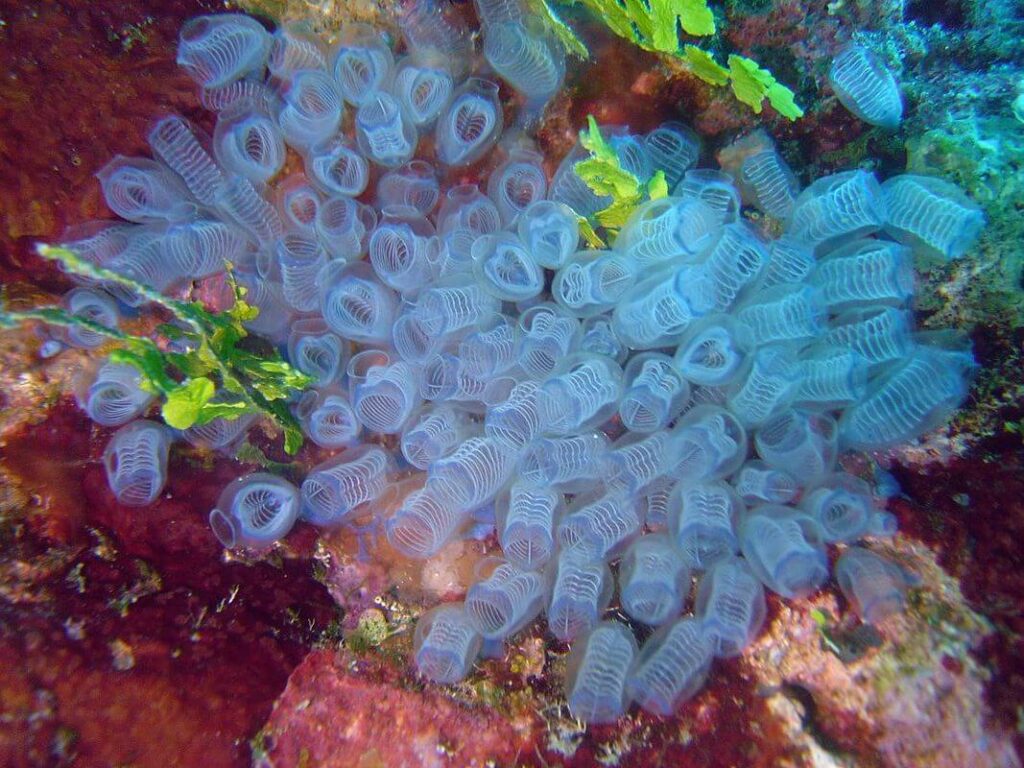
As we dive into the world of aquarium-keeping, we often focus on colorful fish and coral reefs. However, there’s another fascinating group of creatures that deserve our attention: sea sponges (Ascidie). These marine organisms are not only easy to care for but also provide a unique opportunity to observe the intricate relationships between species in their natural habitat.
What are Sea Sponges?
Sea sponges belong to a class called Tunicati, which also includes salps and tunicates. They’re filter feeders that live on rocky reefs in shallow waters, where they use their powerful siphons to capture food particles from the water. Sea sponges come in various shapes and colors, with some species having vibrant hues like red, orange, or yellow.
Challenges of Keeping Sea Sponges in Aquariums
One of the biggest challenges when keeping sea sponges in aquariums is providing them with enough space to filter large volumes of water. Since they’re sessile animals that attach themselves to a substrate, they can’t move around like other marine organisms. This means that aquarists need to be creative when it comes to creating a suitable environment for these fascinating creatures.
Species of Sea Sponges Suitable for Aquariums
Not all sea sponges are created equal, and some are better suited for aquarium life than others. If you’re looking to introduce some marine magic into your tank, here are a few species that are worth considering:
- Halocynthia papillosa: Also known as the Red Sea Sponge, this species is relatively easy to care for and can thrive in a well-maintained aquarium.
- Microcosmus sulcatus: This species is another common red sea sponge found in Mediterranean waters. While it may not be as showy as some other species, it’s highly useful for cleaning up food debris and other particulate matter from the water.
- Phallusia mamillata: Commonly known as the Pigna di Mare (Sea Pineapple), this species is relatively easy to care for and can add a unique touch to your aquarium.
Tips for Keeping Sea Sponges Healthy
To keep your sea sponges happy and healthy, here are a few tips:
- Provide plenty of space: Make sure you have enough space in your tank for the sea sponge to filter large volumes of water. This will help prevent stress and ensure that your sponge stays healthy.
- Maintain good water quality: Regularly test your water parameters and make adjustments as necessary to maintain optimal conditions for your sea sponges.
- Introduce beneficial bacteria: Introduce beneficial bacteria into your tank through the use of filter media or other methods. This will help break down waste products and keep your water clean.
Water Parameters for Sea Sponges
Sea sponges have specific water parameter requirements, which can vary depending on the species you are keeping. Here are some general guidelines to follow:
- pH: Sea sponges prefer a slightly acidic pH range of 7.9-8.3.
- Ammonia: Maintain ammonia levels below 0.5 ppm to prevent stress and disease in your sea sponges.
- Nitrite: Keep nitrite levels below 0.2 ppm, as high levels can be toxic to sea sponges.
- Calcium: Maintain calcium levels between 350-450 ppm to support the growth and development of your sea sponges.
Choosing the Right Substrate for Sea Sponges
When it comes to creating a suitable environment for your sea sponges, you’ll want to choose a substrate that can provide them with the necessary space to filter large volumes of water. Here are some popular substrate options:
- Live rock: Live rock is a great option for aquariums, as it provides a natural habitat for sea sponges and other marine organisms.
- Artificial reef structures: Artificial reef structures can also be used to create a suitable environment for sea sponges. These structures provide a place for the sponge to attach itself and begin filtering water.
Q\&A
Here are a few frequently asked questions about keeping sea sponges in aquariums:
- Are all sea sponges created equal?
No, not all sea sponges are suitable for aquarium life. Some species may be more challenging to care for than others. - Can I collect sea sponges from the wild and introduce them to my aquarium?
It’s generally not recommended to collect sea sponges from the wild and introduce them to your aquarium. This can lead to the introduction of unwanted species that may harm other organisms in the tank. - What are some common mistakes aquarists make when keeping sea sponges?
Some common mistakes include providing too little space for the sea sponge, failing to maintain good water quality, and introducing harmful bacteria into the tank.
Common Health Issues in Sea Sponges
Like any other marine organism, sea sponges can be susceptible to various health issues. Here are some common problems you may encounter:
- Diseases: Sea sponges can be affected by a range of diseases, including fungal infections and parasitic infestations.
- Stress: Sponges can become stressed if the tank is not maintained properly or if there are sudden changes in water parameters.
- Parasites: Some species of sea sponges can harbor parasites that can be transmitted to other organisms in the tank.
Conclusion
Sea sponges are fascinating creatures that can add a unique touch to your aquarium. By following these tips and choosing the right species, you can create a thriving environment for these incredible organisms. With proper care and maintenance, sea sponges can live for many years, providing a lifetime of enjoyment and inspiration for aquarium enthusiasts.


