
Introduction
Ixora is a unique and fascinating plant species native to the Asian continent, particularly in India. Belonging to the Rubiaceae family, it is also known as the “Jungle Geranium.” In this article, we will delve into the characteristics of Ixora, its cultivation requirements, potential problems, and interesting facts about this intriguing plant.
Characteristics of Ixora
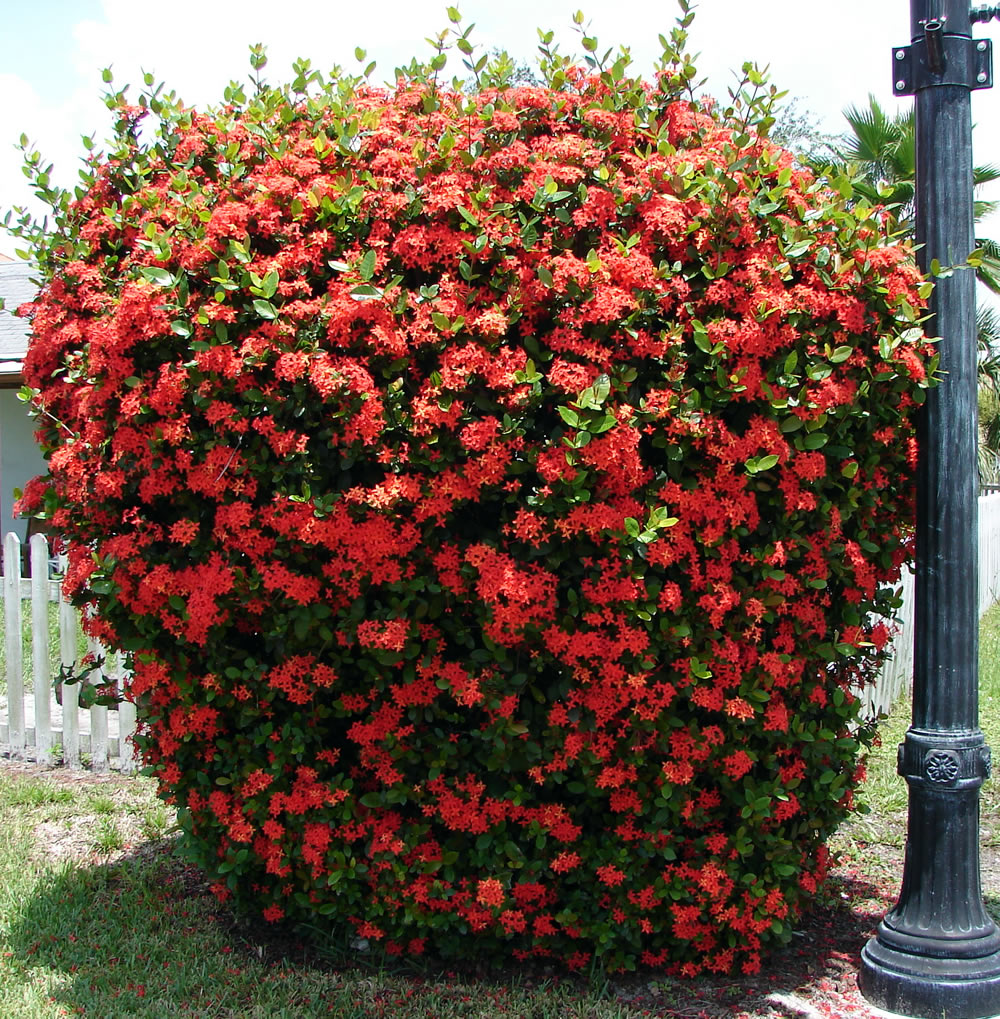
Ixora is an evergreen shrub with a woody stem, typically brown in color, and leaves that are oval-shaped, glossy, and leathery. The flowers are a distinctive feature of this plant, consisting of small, four-petaled blooms in various shades of red, pink, yellow, white, or orange. These inflorescences can be quite impressive, resembling those of the orchid.
Cultivation Requirements
To cultivate Ixora successfully, it is essential to provide the right conditions:
Exposure and Temperature
Ixora prefers bright, indirect light and temperatures around 21°C (70°F). However, direct sunlight should be avoided, as well as extreme temperature fluctuations. In temperate climates, it can thrive outdoors near walls and fences, provided it is shielded from strong winds.
Soil Conditions
The ideal soil for Ixora is a mix of peat, sand, and potting soil with a slightly acidic pH (around 6.0-7.0). A well-draining mixture will prevent waterlogged conditions, which can lead to root rot. It’s also essential to avoid over-fertilization.
Watering
Regular watering is necessary during the spring and summer months, ensuring that the soil remains consistently moist but not waterlogged. In colder periods, it’s crucial to maintain a moderate level of humidity in the soil. When using irrigation systems, consider employing rainwater or demineralized water with a small amount of acetic acid to avoid burning the roots.
Propagation
To multiply Ixora plants, you can use either seeds or stem cuttings:
- Seeds are sown in fresh, moist soil during early spring, allowing them to germinate and grow.
- Stem cuttings (about 8-10 cm long) are placed in a mixture of sand and peat moss, allowing roots to develop before being transplanted into individual containers.
Potential Problems
While Ixora is generally a low-maintenance plant, there are some potential issues to be aware of:
- Parasites: Coccinigia farinosa, cocciniglia bruna, and ragnetto rosso can infest the plant. These pests can be managed using natural insecticides.
- Diseases: Avoid over-watering and ensure proper drainage to prevent root rot.
Interesting Facts
Despite being a relatively common species in commercial nurseries, there are numerous variations of Ixora available:
- In traditional Indian medicine, the leaves and juice of this plant are used to treat diarrhea and ulcers.
- The unique characteristics and adaptability of Ixora have made it an attractive subject for horticultural enthusiasts.
Conclusion
Ixora is a captivating plant species that can thrive with proper care. By understanding its requirements and potential issues, you’ll be well-equipped to create a harmonious environment for this stunning plant to flourish. Whether you’re a seasoned gardener or just starting your green thumb journey, Ixora is sure to captivate you with its beauty and charm.
Frequently Asked Questions (FAQs)
- Q: What kind of soil does Ixora prefer?
A: Ixora prefers a well-draining mix of peat, sand, and potting soil with a slightly acidic pH. - Q: How often should I water my Ixora plant?
A: Water your Ixora regularly during the spring and summer months, ensuring that the soil remains consistently moist but not waterlogged. - Q: Can I grow Ixora indoors?
A: Yes, with proper lighting (bright, indirect), temperatures (around 21°C/70°F), and humidity levels (moderate), you can successfully cultivate an Ixora plant indoors. - Q: How do I propagate Ixora plants?
A: You can use either seeds or stem cuttings. For best results, choose healthy material and maintain a clean environment during propagation. - Q: Are there any potential parasites that affect Ixora plants?
A: Yes, Coccinigia farinosa, cocciniglia bruna, and ragnetto rosso can infest the plant. Use natural insecticides to manage these pests effectively. - Q: Can I use rainwater for my Ixora plant?
A: Yes, using rainwater or demineralized water with a small amount of acetic acid will help prevent root burn and ensure healthy growth. - Q: What are some potential diseases that affect Ixora plants?
A: Root rot can occur due to over-watering or poor drainage. Regular monitoring and maintenance can help prevent this issue. - Q: How often should I fertilize my Ixora plant?
A: Feed your Ixora plant every 15-20 days during the spring and summer months, using a balanced fertilizer. Dilute the solution according to manufacturer’s instructions.
Specialized Care for Different Types of Ixora
Some species or varieties of Ixora require specialized care:
- Ixora coccinea: This variety is known for its vibrant red flowers and prefers full sun.
- Ixora paniculata: A dwarf shrub with small, white blooms. This variety requires partial shade to maintain a compact growth habit.
Pest Control Methods
To effectively manage pests on your Ixora plant:
- Inspect plants regularly for signs of infestation
- Use neem oil or pyrethrin-based insecticides when necessary
- Remove and dispose of any affected leaves or stems
Common Mistakes to Avoid
When growing Ixora, avoid the following common mistakes:
- Over-watering can lead to root rot and other issues
- Failure to provide adequate light can result in weak or spindly growth
- Neglecting regular fertilization can impact plant health


