
In addition to these guidelines, here are some advanced techniques to consider:
- Climate Control Systems: Install a climate control system that can regulate temperature, humidity, and lighting levels in your greenhouse.
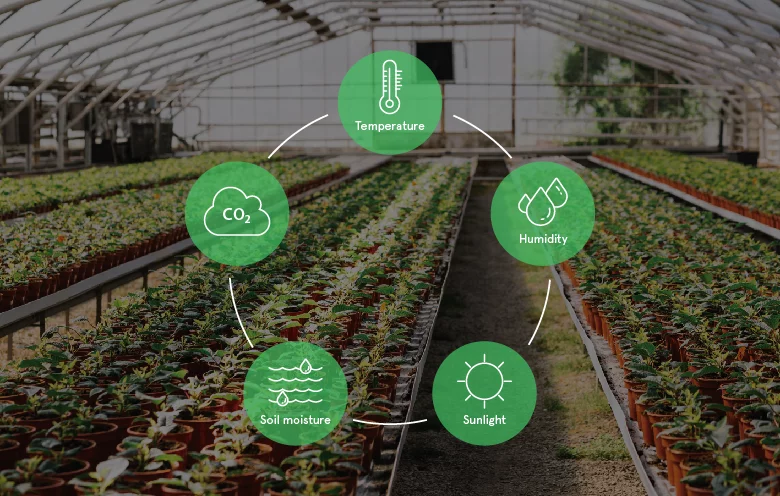
- Automated Monitoring Systems: Invest in automated monitoring systems that can track temperature, humidity, and other environmental factors in real-time.
- Greenhouse Automation Software: Use greenhouse automation software to optimize your growing conditions based on real-time data from sensors and monitoring systems.
- Precision Irrigation Systems: Implement precision irrigation systems that can deliver water directly to the roots of plants, reducing waste and improving growth rates.
- Integrated Pest Management (IPM) Strategies: Develop IPM strategies that combine physical, cultural, biological, and chemical controls to manage pest populations effectively.
Best Practices for Greenhouse Maintenance
- Regular Inspections: Regularly inspect your greenhouse for signs of damage, wear, and tear.
- Cleaning and Disinfecting: Clean and disinfect surfaces regularly to prevent the spread of diseases.
- Equipment Maintenance: Regularly maintain equipment such as fans, pumps, and irrigation systems to ensure they’re working efficiently.
- Record Keeping: Keep accurate records of temperature, humidity, and other environmental factors, as well as plant growth and pest management activities.
- Emergency Preparedness: Develop an emergency plan in case of unexpected events such as power outages or natural disasters.
Common Challenges Faced by Greenhouse Growers
- Temperature Fluctuations: Temperature fluctuations can be challenging to manage, especially during periods of extreme weather.
- Humidity Issues: Humidity issues can lead to condensation problems and reduced plant growth.
- Pest Infestations: Pest infestations can quickly spread through a greenhouse, causing significant damage to plants.
- Disease Outbreaks: Disease outbreaks can occur suddenly, especially in greenhouses with high humidity levels.
- Lighting Issues: Lighting issues can affect plant growth and productivity, especially during periods of low light.
Best Practices for Managing Temperature Fluctuations
- Use Thermal Masses: Use thermal masses such as concrete or brick to absorb and release heat slowly.
- Implement Shading Systems: Implement shading systems such as louvers or shade cloth to reduce peak temperatures.
- Use Cooling Systems: Use cooling systems such as misting systems or evaporative coolers to lower temperatures.
- Insulate the Greenhouse: Insulate the greenhouse to reduce heat gain during summer months.
- Monitor Temperature Levels: Monitor temperature levels regularly to ensure optimal conditions.
Best Practices for Managing Humidity Issues
- Use Dehumidifiers: Use dehumidifiers to reduce humidity levels in the greenhouse.
- Increase Ventilation: Increase ventilation to promote airflow and heat dissipation.
- Improve Air Circulation: Improve air circulation by using fans or other methods.
- Use Humidity-Reducing Materials: Use materials that promote airflow and heat dissipation, such as mesh screens or reflective coatings.
- Monitor Humidity Levels: Monitor humidity levels regularly to ensure optimal conditions.
By following these guidelines and best practices, you can create a healthy and thriving environment for your plants in the greenhouse. Remember to stay adaptable and responsive to changing environmental conditions, and don’t hesitate to seek advice from experienced growers or experts if needed.


